
Why Red Light Therapy Is Becoming Part of London’s Modern Skin and Wellness Routine
London is a city that rewards efficiency. People want treatments that fit around work, family, travel and social plans, and that preference has helped fuel…
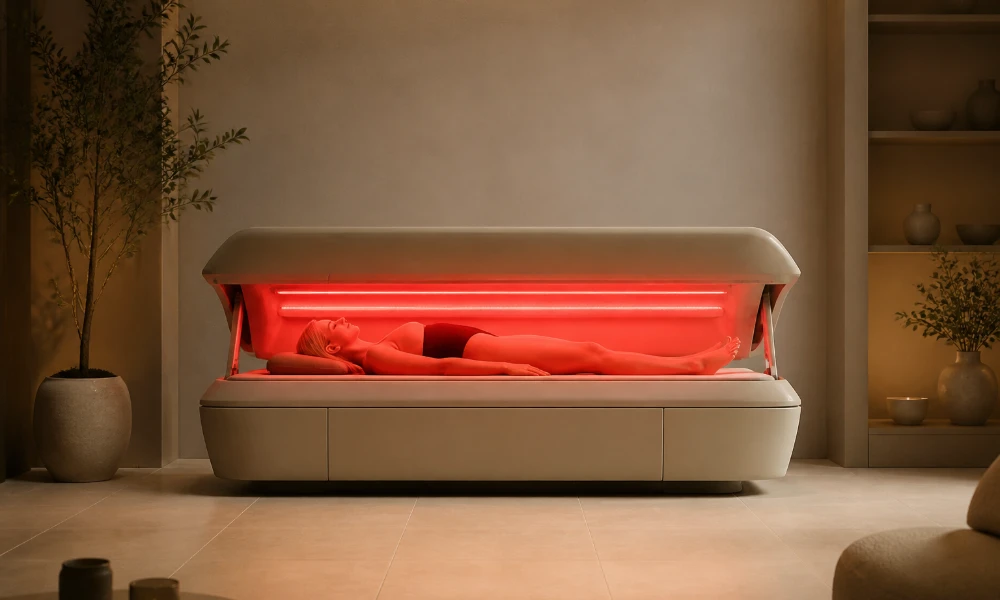
London is a city that rewards efficiency. People want treatments that fit around work, family, travel and social plans, and that preference has helped fuel interest in non-invasive skin technologies. Rather than choosing an option that demands days of recovery, many clients are looking for treatments that can be added to an existing routine with minimal disruption. LED and red light therapies sit neatly within that trend because they are comfortable, quick and do not rely on abrasion, needles or chemical peeling.
The appeal is not simply that light-based treatments feel modern. It is also that they suit a more measured approach to skin care. Instead of promising an overnight transformation, professional LED therapy is generally used as part of a consistent plan intended to support the appearance and condition of the skin over time. For people who prefer gradual, natural-looking changes and treatments that do not announce themselves, that can be an attractive proposition.
What red light therapy actually is
Red light therapy uses selected wavelengths of visible red light, and in many professional systems near-infrared light as well, to deliver controlled light energy to the skin. The broader scientific field is often described as photobiomodulation. In simple terms, the aim is not to heat, burn or resurface the skin. The light interacts with biological tissue at a cellular level, which is why LED therapy feels very different from treatments that work by deliberately creating a wound or removing part of the skin surface.
Professional devices can use different wavelength combinations depending on the intended skin goal. Red wavelengths are commonly associated with supporting skin rejuvenation and a healthier-looking complexion, while near-infrared wavelengths penetrate more deeply and are often incorporated into professional protocols. Blue light is another familiar part of LED treatment and is frequently used in protocols designed for blemish-prone skin. A clinic may use one wavelength or a combination, depending on the device, the skin and the treatment plan.
Why London clients are choosing professional sessions
Home LED masks have made light therapy far more visible, but the home and clinic experiences are not identical. Home devices are designed primarily for convenience and repeated self-use. Professional equipment is designed for controlled treatment in a clinic environment, with the practitioner able to position the client correctly, follow the device protocol and select an appropriate programme. That professional context matters to people who want guidance rather than having to interpret every setting for themselves.
For anyone comparing red light therapy London, it is worth looking beyond the colour of the LEDs and considering the whole treatment environment. A good consultation should establish what the client is hoping to improve, whether LED is appropriate for that goal, how often treatment is likely to be recommended and what realistic progress may look like. Professional therapy should feel like a considered part of a skin plan, not simply time spent beneath a bright lamp.
A treatment that works with busy schedules
One of the strongest lifestyle advantages of LED therapy is its simplicity. A typical appointment does not require the elaborate preparation associated with many more intensive procedures. Skin is usually cleansed, the client is positioned comfortably and the LED device is placed at the correct distance or over the treatment area according to its design. The session itself is normally quiet and relaxing. Many people simply close their eyes and use the time as a short break in the day.
Because there is generally no deliberate injury to the surface of the skin, clients can usually return to normal activities immediately afterwards. That makes the treatment easy to schedule during a lunch break, between meetings or before heading home. In a city where even a useful treatment can become impractical if it takes over the week, convenience is more than a luxury; it can be the factor that makes consistency possible.
Skin goals and realistic expectations
Professional LED therapy is used for a range of cosmetic skin goals, including the appearance of dullness, uneven texture, redness, blemish-prone skin and visible signs associated with ageing. It is also frequently used to complement other facial treatments. The important word is complement. LED is not a substitute for medical assessment of a persistent skin condition, and a responsible clinic should never present it as a cure-all.
Results are also best viewed in terms of progress rather than a single dramatic before-and-after moment. Some clients book an occasional session because they enjoy the calm, post-treatment glow, while others follow a course because their goal is longer-term support for skin quality. Factors such as age, skin condition, lifestyle, sun exposure, home care and consistency can all influence the experience. A trustworthy practitioner should explain these variables rather than promise an identical outcome to everyone.
Red, blue and near-infrared light
The coloured appearance of LED therapy can make it seem almost decorative, but different wavelengths are selected for specific reasons. Red light is the wavelength most commonly associated with rejuvenation-focused treatments. Blue light is often used when blemishes are part of the concern, and near-infrared light is invisible to the eye but is included in many higher-specification professional systems. Some devices combine wavelengths in a single protocol, while others allow them to be selected independently.
This is one reason a proper consultation adds value. A client may arrive saying that they want “red light” because that is what they have seen online, when another LED protocol may better reflect the issue they actually want to address. The most useful conversation is therefore about the skin goal first and the colour of the light second.
Where LED can fit into a broader skin routine
A professional LED appointment should not exist in isolation from the basics of skin care. Gentle cleansing, appropriate hydration and daily sun protection remain important. If a client is using active ingredients, prescription skin products or undergoing other treatments, the clinic should understand that context before recommending a schedule. The value of a professional setting is partly the ability to make LED one element of a sensible routine rather than another disconnected beauty purchase.
LED can also be paired with certain facials and non-invasive treatments, depending on the protocol used by the clinic. In those situations it may be positioned as a calming or supportive stage within a more complete appointment. The right combination depends on the individual, which is why more is not automatically better. Stacking treatments simply because they are available is not the same as creating a coherent plan.
Professional treatment versus the at-home mask
At-home LED masks have an obvious advantage: convenience. Someone can use a device in the evening without travelling anywhere, and regular home use may suit people who enjoy technology-led skin care. Professional treatment has different strengths. It removes the guesswork, uses clinic equipment, allows the practitioner to monitor how the skin responds and can be integrated with other professional services.
The two approaches do not have to be rivals. Some people prefer clinic-only treatment, some prefer a home device, and some use a combination. The key is to avoid assuming that every red-looking device produces the same output. Wavelengths, irradiance, fit, treatment distance, duration and manufacturing quality all matter. A reputable clinic should be able to explain the professional device it uses without relying on vague claims about “stronger light” or instant rejuvenation.
Choosing a London clinic
The growing popularity of LED means clients have more choice, but it also makes comparison important. Start with the practical details: Who performs the treatment? What professional device is being used? Is there a consultation? Are prices clear? Is there a defined treatment length? Does the clinic explain who may not be suitable? These questions reveal more than a page full of dramatic marketing language.
Location and accessibility matter too. If the plan involves a course of sessions, a clinic that is convenient to reach is more likely to become part of a routine. Reviews can help, particularly when they describe the consultation, cleanliness, staff and overall experience rather than only making exaggerated claims about results. Clear photographs, transparent pricing and an easy way to contact or book the clinic are also useful trust signals.
Safety and suitability
LED therapy is widely regarded as a gentle, non-invasive treatment, but suitability should still be considered. Certain medications and medical conditions can increase sensitivity to light, and anyone with a diagnosed skin or eye condition should disclose that information before treatment. A clinic should have a screening process and should be willing to postpone or decline treatment where appropriate.
Clients should also tell the practitioner about recent procedures, active irritation and any products that may affect photosensitivity. The fact that a treatment is comfortable does not remove the need for professional judgement. Good wellness care is not about saying yes to every client; it is about matching the service to the right person at the right time.
Consistency without obsession
One of the most useful ways to approach LED therapy is to think in terms of sustainable consistency. Skin routines often fail because they become too complicated to maintain. A treatment that is gentle, relatively quick and easy to schedule has an advantage precisely because people are more likely to keep doing it. That does not mean more sessions are always better. The device protocol and practitioner recommendation should determine frequency.
For some clients, the real benefit of the appointment is also behavioural. Spending twenty or thirty minutes focused on skin care can encourage better habits elsewhere: wearing SPF, cleansing properly, drinking enough water and being more realistic about how long skin changes take. The technology may be sophisticated, but the routine around it can remain refreshingly simple.
Questions worth asking before you book
A short list of questions can make the difference between buying a fashionable treatment and choosing a professional service. Ask which LED system is used and whether the practitioner can explain its wavelengths in plain English. Ask whether the appointment is stand-alone or part of a facial, what the total treatment time is and whether a course is genuinely necessary for your goal. If packages are offered, check the expiry date and whether appointments can be spaced around holidays or other procedures.
It is also reasonable to ask what would make the practitioner say no. A good clinic should be able to describe its contraindications and screening process without hesitation. Clients sometimes assume that a provider who turns them away is being overly cautious, when in fact that decision can be one of the strongest signs of professional standards. The same applies to results: a practitioner who discusses gradual improvement, maintenance and individual variation is usually giving more useful information than one who promises a dramatic change after a single visit.
Finally, ask how progress is assessed. Some clinics take photographs under consistent lighting; others review the skin verbally at intervals. Neither approach needs to be complicated, but there should be a way to decide whether the plan is worth continuing. Wellness treatments should earn their place in a routine rather than continuing indefinitely simply because a package was purchased.
The role of lifestyle around professional LED
A treatment room can support a skin routine, but it cannot replace what happens during the rest of the week. Sleep, sun exposure, smoking, hydration, nutrition and stress can all influence how skin looks and feels. That does not mean clients need a perfect lifestyle before booking LED; it simply means that professional treatment is most sensible when it sits alongside realistic day-to-day care rather than being asked to compensate for everything else.
This balanced view is especially relevant in wellness. People are often sold the idea that one intervention can reset an overloaded schedule. In reality, a useful treatment is usually one that is easy enough to maintain and modest enough to work with existing habits. LED’s low-downtime nature makes it well suited to that role.
The future of light-based skin wellness
LED therapy reflects a broader shift in the beauty and wellness world. Clients are becoming more selective about interventions that require significant downtime, while professional devices are becoming more familiar and accessible. The result is a category of treatment that sits somewhere between a traditional facial and more intensive aesthetic procedures: technology-led, non-invasive and designed to fit into real life.
For London clients, that practicality is likely to remain part of its appeal. The most valuable clinics will be the ones that resist overselling the technology and instead use it intelligently: appropriate wavelength, appropriate schedule, clear expectations and consistent professional care. In a market full of dramatic promises, a treatment that focuses on steady support rather than spectacle may be exactly what many people are looking for.
Filed underCosmetic & aesthetics, United Kingdom, India & Sri Lanka, Rest & rejuvenation