










Why Regular Eye Exams Matter Even With Perfect Vision
-
- December 19, 2025

Clear vision can feel like proof that eye health takes care of itself, yet daily life across Georgia places constant, often invisible demands on the eyes that deserve regular professional attention. Many people assume sharp eyesight means eye health takes care of itself. That assumption leads to skipped appointments and missed opportunities for prevention. Eye exams serve a purpose far beyond updating prescriptions. They track subtle changes, protect long-term vision, and reveal early signs of broader health concerns. Even when eyesight feels perfect, routine exams play a critical role in maintaining comfort, safety, and overall well-being.
1. Perfect Vision Does Not Mean Healthy Eyes
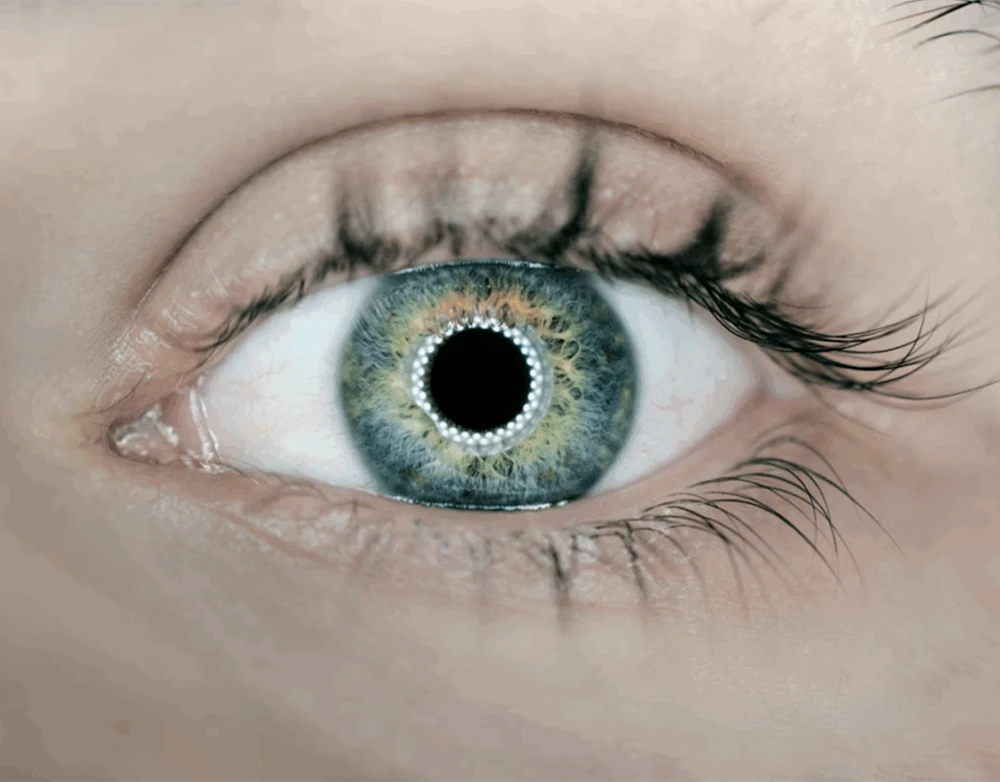
Strong eyesight only measures how clearly someone sees at a moment in time. It says nothing about eye pressure, retinal health, or nerve function. Many eye conditions develop quietly and show no early symptoms. Regular eye exams allow professionals to monitor changes that vision tests alone cannot detect. Establishing a baseline makes future changes easier to identify and address. Skipping exams removes that reference point. Healthy eyes require consistent evaluation, not assumption. Vision clarity can mask developing problems, which makes routine care essential even when everything appears fine.
2. Local Care Makes Preventive Eye Health More Effective
Regional lifestyle factors influence eye health more than most people realize. In Georgia, pollen levels, outdoor exposure, driving demands, and widespread digital work affect visual comfort year-round. Eye doctors in Georgia understand these conditions and adjust screenings to match local needs. That familiarity supports earlier detection and more practical guidance. Patients also benefit from long-term relationships that allow providers to notice gradual changes over time. Local expertise encourages consistency, builds trust, and reinforces the value of preventive care. These advantages help people protect their vision before discomfort or damage interferes with daily life.
3. Eye Exams Reveal More Than Vision Changes
Eyes offer a clear view into overall health. Comprehensive exams can reveal early indicators of diabetes, high blood pressure, autoimmune conditions, and neurological issues. Blood vessels, optic nerves, and retinal tissue often show changes before symptoms appear elsewhere. Regular eye exams act as an additional health checkpoint rather than a replacement for medical care. This added insight allows faster referrals and earlier lifestyle adjustments. Clear vision does not guarantee internal eye health. Thorough evaluations provide information that supports long-term wellness and informed health decisions.
4. Screen Use Creates Strain Without Warning Signs
Modern life depends on screens, yet many people underestimate their impact on eye health. Long hours of close focus reduce blink rates and strain eye muscles. Discomfort often builds slowly and goes unnoticed. Eye exams assess how screen habits affect focus, dryness, and visual endurance. Professionals can recommend adjustments that improve comfort and reduce fatigue. Waiting for symptoms allows strain to worsen. Proactive care helps eyes adapt to digital demands while preserving comfort and performance throughout the day.
5. Early Detection Protects Long-Term Vision
Many serious eye conditions progress without pain or visual disruption. Glaucoma, macular degeneration, and retinal disorders often advance silently. By the time symptoms appear, damage may already affect daily function. Regular eye exams catch these issues early, when treatment works best. Early action preserves independence and quality of life. Consistent monitoring replaces uncertainty with clarity. Even people with excellent eyesight benefit from knowing their eyes receive proper oversight.
6. Eye Exams Support Children and Teens
Children rarely complain about vision problems because they assume their experience is normal. Learning, reading, and screen use place increasing demands on developing eyes. Regular exams help identify coordination issues, focusing difficulties, and depth perception problems that affect school performance. Early detection prevents frustration and supports confidence. Eye care during growth years also establishes healthy habits that carry into adulthood. Strong vision supports learning, social interaction, and physical activity during critical stages of development.
7. Vision Plays a Role in Safety and Performance
Daily activities rely on more than sharp focus. Driving, sports, and work tasks require depth perception, peripheral awareness, and fast visual response. Regular exams ensure these skills remain reliable. Even minor changes can affect reaction time. Eye care professionals also provide guidance on protective eyewear and visual habits. Maintaining strong visual performance supports safety, confidence, and independence.
8. Preventive Care Reduces Stress
Routine eye exams simplify health management. Scheduled visits prevent urgent problems and eliminate guesswork. People gain time to ask questions and receive personalized advice. Preventive care replaces anxiety with confidence. Those who wait for symptoms often face rushed decisions and avoidable stress. Consistency keeps eye health predictable and manageable. Peace of mind remains one of the most valuable outcomes of regular care.
Regular eye exams matter because vision clarity does not equal eye health. Routine care protects sight, reveals hidden risks, and supports overall wellness. It adapts to lifestyle demands, aging, and technology use without waiting for problems to appear. Consistency builds knowledge and confidence over time. Choosing preventive eye care reflects responsibility, not concern. Clear vision deserves protection through informed, proactive habits that support quality of life for years ahead.
- About the Author
- Latest Posts

Our Editorial Team are writers and experts in their field. Their views and opinions may not always be the views of Wellbeing Magazine. If you are under the direction of medical supervision please speak to your doctor or therapist before following the advice and recommendations in these articles.


