
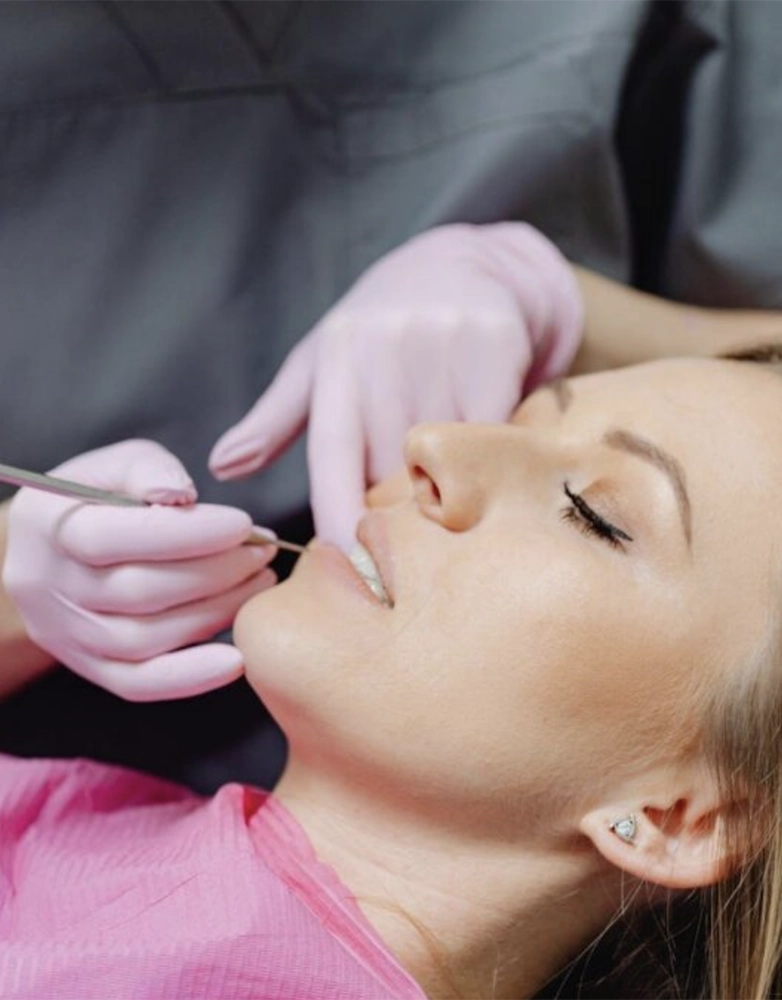
The field of dentistry has expanded far beyond teeth and gums. Today, many dental professionals are exploring aesthetic medicine, offering services that enhance both function and appearance. Procedures such as Botox injections, dermal fillers, and other facial treatments are increasingly integrated into dental practices to improve patient wellness, reduce pain, and support confidence. However, delivering these services safely requires more than technical skill—it requires structured medical education. Programs that focus on Botox training for dentists provide a critical bridge between traditional dental expertise and the specialized knowledge needed for aesthetic procedures.
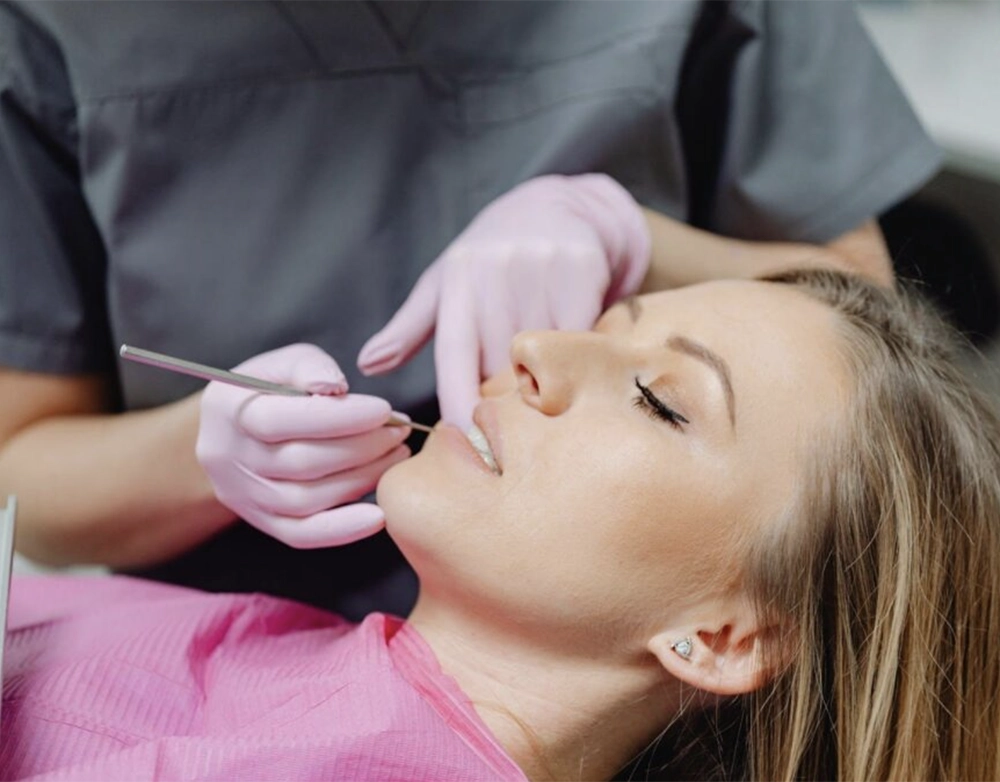
Structured medical education ensures that dentists entering the aesthetic field have a strong foundation in both anatomy and patient safety. While dentists already have extensive knowledge of facial anatomy, injections involve new considerations. Proper training covers the relationship between muscles, nerves, and vasculature, along with specific injection techniques tailored for aesthetic outcomes. This knowledge minimizes risk and ensures patients receive treatments that are effective and safe. Unlike informal or ad-hoc learning, structured programs offer a systematic approach that builds competence step by step.
Another critical component of structured training is patient assessment. Success in aesthetic procedures is not just about mastering injection techniques—it’s about understanding patient goals, evaluating medical history, and determining suitability for treatment. Through medical education programs, dentists learn to conduct thorough consultations and set realistic expectations. This helps prevent complications, ensures patient satisfaction, and reinforces the professional integrity of aesthetic dental practice.
Medical academies also emphasize the importance of ethical practice and adherence to medical standards. Dentists trained in aesthetics gain insight into documentation, informed consent, and risk management. They learn how to identify contraindications, manage side effects, and respond to adverse events. Training programs often incorporate:
- Proper patient screening and pre-procedure evaluation
- Safe injection techniques and dosing guidelines
- Strategies for recognizing and managing complications
These elements help dentists integrate aesthetic procedures responsibly into their practice while maintaining high standards of patient care.
Structured education also supports professional confidence. Dentists transitioning into aesthetics may feel uncertain about new procedures or concerned about handling complications. Programs focused on Botox training for dentists provide supervised hands-on experience that allows practitioners to practice in a controlled environment. Mentorship from experienced instructors helps reinforce clinical judgment and decision-making skills, preparing dentists to manage a variety of scenarios safely.
As dental practices expand to include aesthetic services, operational considerations become increasingly important. Dentists must understand regulatory compliance, risk management, and clinical oversight. One key factor for maintaining safe practice is knowing when and how to hire a medical director. Medical directors provide oversight, guidance, and accountability for complex procedures. Structured training programs often address these administrative responsibilities, helping dentists build practices that are both safe and professionally sound.
The scope of aesthetic dentistry continues to broaden. Beyond facial rejuvenation, some practices now explore treatments such as soft tissue augmentation and non-surgical body enhancements. Patients may search for services like labia puffing procedure, expecting safe and effective results. Structured medical education equips dentists to understand anatomy, patient suitability, and proper injection techniques even in adjacent aesthetic areas, while emphasizing the limits of practice and patient safety. Knowledge gained through formal training helps protect both patients and providers from complications or unethical practice.
Technology and innovation are also transforming the field of aesthetic dentistry. New injectable products, delivery devices, and combination treatments require practitioners to remain up to date with current research and safety standards. Structured medical education ensures dentists can evaluate new technologies critically, rather than adopting them solely because they are popular or profitable. This approach reinforces the credibility and professionalism of dental aesthetic services.
Structured training also fosters long-term career growth. Dentistry offers a stable foundation, but aesthetic training can open doors to specialized practices, collaborative opportunities with medical professionals, and advanced procedures. Programs emphasize continuing education, allowing dentists to refine skills over time and adapt to evolving patient needs. By cultivating expertise and confidence, medical education positions dentists for success in a competitive and evolving field.
Patient-centered care remains at the heart of structured medical education. Dentists learn to align treatments with wellness and lifestyle goals, rather than pursuing cosmetic outcomes alone. Aesthetic interventions can have significant psychological and social impacts. When performed by trained professionals, these procedures support self-confidence, personal satisfaction, and overall health. Programs that focus on safe, ethical practice help dentists balance aesthetics with medical responsibility.
Ultimately, structured medical education is essential for dentists seeking to integrate aesthetics into their practice. Programs offering Botox training for dentists provide the knowledge, practical experience, and professional guidance necessary to deliver treatments safely and effectively. By combining clinical skill, ethical standards, patient assessment, and ongoing education, dentists are empowered to expand their scope of practice responsibly while enhancing patient wellness and satisfaction.
In conclusion, the evolution of dental practice into aesthetic care reflects broader trends in health, wellness, and patient-centered medicine. Structured medical education ensures that dentists can meet these new challenges with competence, confidence, and integrity. From mastering injection techniques to understanding complex anatomy, from patient consultation to operational oversight, education forms the foundation for safe, effective, and ethical aesthetic dental care. By investing in professional training, dentists can provide services that improve patients’ quality of life while maintaining the highest standards of clinical practice.