
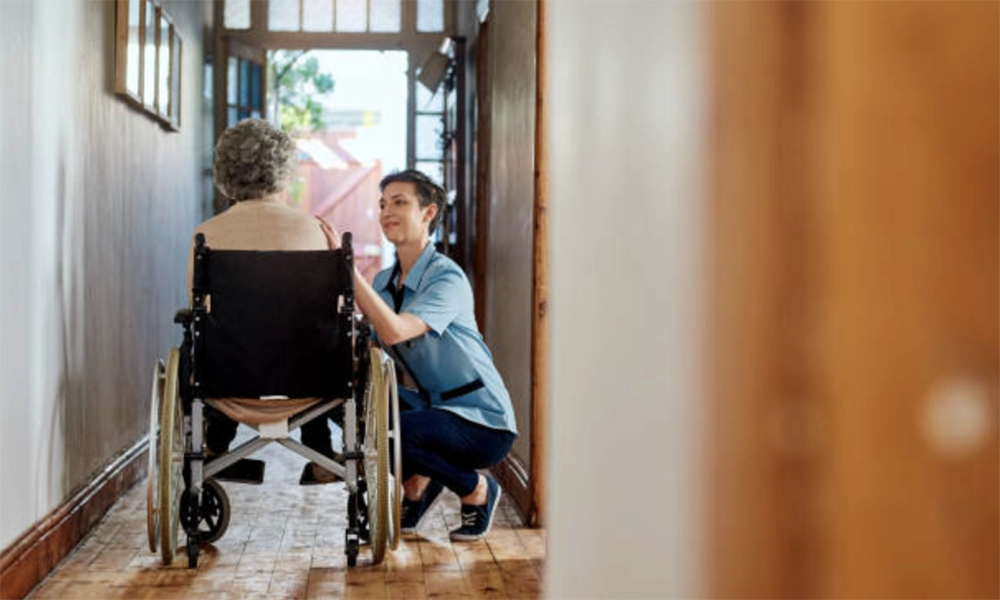
Cases of emergencies are unforeseen and life threatening to older people particularly those who are not mobile. Regardless of whether it is a natural disaster, some unexpected disease, or a domestic accident, a clear and realistic emergency plan can be of the essence. A pre-planned approach will guarantee the safety of both seniors and their caregivers whenever an incident arises in the future and both are ready to respond promptly. It is also very soothing, as one can be sure that something is done to save some not so fortunate people in pressing cases. Emergency preparedness is not the issue of safety alone; rather it is the issue of dignity and independence of elderly people with physical disabilities.
Significance of Preparation at an Early Age
Prior planning will enable the seniors and the caregivers to foresee what difficulties can be faced in the event of an emergency. The lack of mobility may complicate the process of evacuation or going to a medical institution, so a well-defined plan can help find the necessary steps in advance. This exercise involves the planning of safe places to exit, meeting spots, and making the emergency contacts easily accessible. Elderly individuals who lack sufficient mobility usually demand more support or specialized gear, and preparing in advance can help to make sure that they receive it in an efficient way in the context of a crisis.
Early readiness also involves training the seniors on the emergency processes. Drills, explaining safety precautions, and giving straightforward instructions may help minimal confusion and panic in the event of a real emergency. The older generation that knows what to do and people to address will be more able to relax and act accordingly. Integrating caregivers into such preparations is a further way to develop the collaboration of teams and offer extra support layers, which makes the whole process more efficient.
Compensation with Medical Services
The access to medical care in cases of senior people with mobility challenges must be factored in emergency planning. Hospitals and clinics will be knowledgeable of the needs of seniors with a high probability of hospital beds requirement or those who might need special care. Having the list of medical facilities around, as well as the knowledge of their accessibility options, can prove beneficial during emergencies. The collaboration with the healthcare providers will make sure that the seniors are attended to in time and decrease the likelihood of experiencing complications because of a lack of their treatment.
It is also necessary to keep a current list of medicine, health history and contact numbers to physicians. During a crisis, this information must be readily available to the emergency responder to offer suitable care. The elderly have reduced mobility and therefore the response time may take time hence the medical documentation must be made easily available so that treatment can be simplified in order to avoid unwarranted delay.
Accessibility Considerations
Emergency planning is a vital aspect among seniors which is dependent on accessibility. The homes and buildings ought to be evaluated on barriers that might be encountered in case of an evacuation. Objects like furniture, loose rugs or tight corridors can cause dangers that can slack down the evacuation process. Having mobility or wheelchairs available to provide clear access would also ensure the safety of people during an emergency.
Accessibility is also planned in the area of transportation. The evacuation of seniors with mobility challenges might involve the use of vehicles that will be able to carry wheelchairs or other mobility aids. Ahead of time, families need to find safe transportation options and also arrange caregivers to help them in case of need. All these factors of access eliminate risk and mean that the elderly will obtain safety without excessive effort.
Support, Psychological and Emotional
Cases of emergencies can be scary, particularly among the aged with low mobility who might feel weaker. The emotional support is a valuable factor of emergency planning. By understanding that planning is in place, the seniors will have satisfaction that they are safe and less worried of the possible crises. To prevent fears and concerns, caregivers are encouraged to reassure and maintain open communication to deal with fears and concerns prior to and during the emergency.
Psychological preparedness also entails encouraging the elderly to have the confidence to use mobility aid and other equipment. Knowledge of the hospital beds, a mobility scooter or other support equipment can help to avoid hesitations and become more independent in case of an emergency. When a senior feels at ease with their equipment, they will be more inclined to adhere to the emergency plan, which will lessen the stress of the senior and people who tend to their care.
It is also necessary to develop emergency strategies to take care of the elderly as they have a low mobility level. Consideration will consider physical, medical, and emotional needs enabling the elderly to face crises more confidently and securely. Since the process of coordination with medical services up to accessibility and emotional support, every part of planning will make the environment much safer in the case of unexpected circumstances. Emergency preparedness is a demonstration of care and futuristic planning in that seniors are safeguarded, and independence is encouraged even in difficult cases.