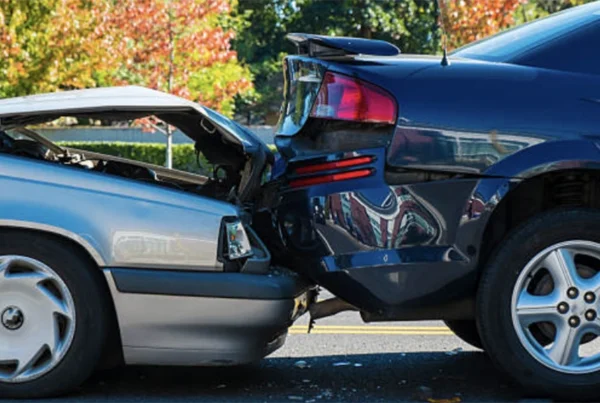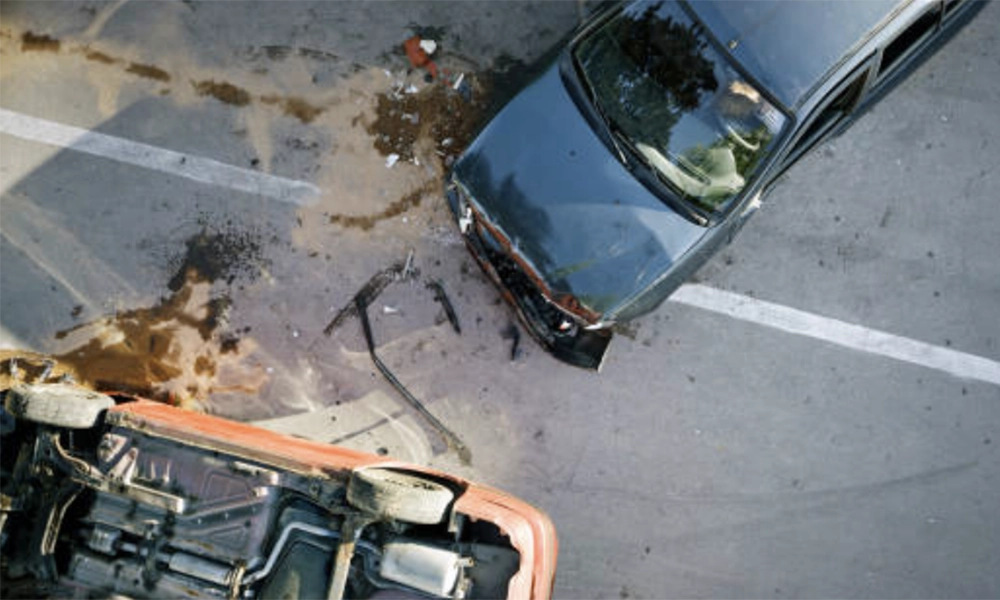
Life tends to resume its rhythm quickly after a serious road incident. Appointments get scheduled, work emails return, and daily responsibilities begin to fill the space again. On the surface, it can look like healing is already underway. Yet for many people, the body tells a very different story.
Long after visible injuries begin to fade, there can be a lingering sense of tension, fatigue, or unease that is difficult to explain. Muscles stay tight, sleep feels disrupted, and even familiar environments can trigger discomfort. This invisible aftermath is especially common after high-impact incidents, where force and unpredictability leave a deeper imprint.
In cities with dense traffic and major transport routes, such as Chicago, these experiences are often intensified. The presence of large commercial vehicles increases the severity and complexity of collisions, shaping not only the physical impact but also the aftermath. Compared with quieter areas, the consequences can feel overwhelming from the start.
That early overwhelm matters. The body responds not only to the moment of impact, but also to the decisions, uncertainty, and pressure that follow. When those factors remain unresolved, it can feel as though life is moving forward while the body is still trying to catch up.
The Body Keeps Score After High-Impact Collisions
After a high-impact collision, the body shifts into a protective state. This response is automatic. It is designed to help a person survive sudden danger by increasing alertness, tightening muscles, and preparing for rapid reaction. While useful in the moment, it does not always switch off once the event has passed.
For many people, the nervous system continues to operate at a heightened level. This can show up as stiffness, headaches, restlessness, or a constant sense of being on edge. Even when medical evaluations suggest healing is progressing, the body may still behave as if the threat persists.
Incidents involving large vehicles can intensify this response. The sheer size and force involved can create a stronger sensory and emotional imprint. Sounds, movement, or even the memory of the event can reactivate the same physical reactions days or weeks later.
This helps explain why healing often feels uneven. A person may appear fine on the outside, yet still experience internal signals that something is not settled. Recognizing that gap between visible recovery and internal experience is an important step toward understanding why the body does not simply move on.
Why Incidents Involving Large Commercial Vehicles Leave a Deeper Mark
Not all road incidents are experienced in the same way. When a collision involves a large commercial vehicle, the scale alone changes how the body and mind process the event. The height, weight, and momentum of these vehicles generate a level of force difficult to compare with that of a standard passenger-car accident.
In those moments, people often describe a sudden loss of control. The body registers not only the impact but also the awareness of vulnerability. That combination can deepen the way the experience is stored internally. It is common for memories of the event to return in fragments, often accompanied by physical sensations.
Beyond the impact itself, the aftermath can feel unusually complex. Incidents involving commercial vehicles often include multiple layers of responsibility, insurance considerations, and procedural questions that are not always clear at first. For someone already dealing with pain and emotional strain, that complexity can make the situation feel even heavier.
In high-traffic urban environments like Chicago, these situations can become especially difficult to navigate. Busy logistics routes and dense road networks increase both the likelihood and severity of these incidents. Seeking clarity early, whether through medical evaluation or informed guidance such as consulting a Chicago semi-truck accident lawyer, can help reduce uncertainty and create a steadier path forward.
The Legal Aftermath That Keeps the Body in Stress Mode
After the initial shock fades, many people expect healing to follow a steady path. In reality, one of the most persistent sources of strain comes from everything that unfolds after the incident itself. The administrative and legal side of recovery can quietly keep the body in a prolonged state of tension.
Uncertainty plays a major role here. Questions around responsibility, compensation, and timing can remain unanswered for weeks or months. When a collision involves a large commercial vehicle, those questions can become more complex due to multiple parties, insurance providers, and regulatory issues. Even for someone focused on getting better, these unresolved details can create constant background pressure.
That stress is not purely mental. The body responds to uncertainty in much the same way it responds to immediate danger. Muscles stay tense, sleep can become irregular, and it becomes harder to relax fully. Over time, this can slow physical healing and make symptoms feel more persistent.
Taking practical steps early can ease some of that load. Documenting injuries, keeping records of medical visits, and seeking clear information about available options can provide direction. Understanding how responsibility is determined in complex collisions can also remove some of the unknowns that tend to keep the nervous system activated.
When people feel informed and supported, the body is more likely to shift out of a defensive state. That sense of clarity can make space for genuine healing, both physically and emotionally.
When Stress Becomes Physical: The Nervous System in Overdrive
The body does not separate physical healing from emotional experience. When stress continues after a high-impact incident, it often becomes embedded in physical patterns that are difficult to ignore. This is the nervous system working to stay alert, even when the immediate danger has passed.
In this state, the body can swing between heightened awareness and exhaustion. Some people notice restlessness, while others feel unusually fatigued. Sleep may become inconsistent, and pain can linger longer than expected, not always because of structural injury, but because the body remains guarded.
Ongoing uncertainty, including unresolved practical or legal matters, can reinforce this pattern. The brain continues to interpret the situation as incomplete, which prevents the body from fully settling. Over time, stress can intensify physical symptoms, reinforcing the sense that something is still wrong.
Understanding this connection shifts the focus from isolated symptoms to the broader picture. Many of the reactions people experience after trauma are closely tied to how prolonged stress affects physical health, especially when the body has not yet received clear signals of safety. As that sense of safety returns, many of these responses gradually ease.
What Most People Overlook After a Serious Road Incident
In the days following a serious road incident, attention usually goes to the most visible concerns. Medical appointments, vehicle damage, and immediate disruptions tend to take priority. While those issues matter, they can overshadow less obvious factors that shape long-term healing.
One of the most commonly overlooked issues is how symptoms can evolve. Some effects do not fully appear until days or weeks later. Stiffness, fatigue, or recurring pain can surface gradually, making it harder to connect them directly to the original event. Without proper documentation early on, these changes can add confusion and complicate the overall process.
People also tend to underestimate the importance of understanding their position after the incident. In more complex collisions, especially those involving large commercial vehicles, responsibility is not always immediately clear. Waiting too long to gather information or ask questions can lead to avoidable stress later.
Paying attention to delayed symptoms, keeping detailed records, and seeking clarity where needed can make a meaningful difference. Fewer unanswered questions often mean less pressure on the body, creating better conditions for healing.
Why “Moving On” Isn’t a Linear Process
Healing after a high-impact road incident rarely follows a straight path. There is often an expectation that recovery will happen in clear stages, with steady improvement over time. In reality, progress can feel uneven, with periods of relief followed by unexpected setbacks.
This can be frustrating, especially when life around you appears to return to normal. Daily routines resume, responsibilities return, and outwardly everything may seem stable. Internally, though, the body may still be processing the experience. A sudden noise, a busy intersection, or even a quiet moment can bring back physical sensations linked to the incident.
External pressure can make this harder. Ongoing responsibilities, combined with lingering discomfort or unresolved questions, can create a sense of needing to catch up with normal life. That pressure often leads people to overlook signals from their own bodies and push forward too quickly.
It helps to recognize that healing has multiple layers. Physical recovery, emotional processing, and a sense of stability in daily life all develop at their own pace. When one remains unsettled, it can affect the others, slowing the process.
Giving space to that variability allows for a more realistic and compassionate view of recovery. Progress may not always be obvious, but that does not mean it is not happening.
Rebuilding a Sense of Safety in Everyday Life
After a high-impact road incident, one of the most important parts of healing is restoring a sense of safety. This does not happen automatically with time. It develops gradually through small, consistent experiences that signal to the body that danger has passed.
For some people, this begins with simple adjustments such as returning to familiar routes or spending short periods back in a vehicle. These moments can feel uncomfortable at first, especially if the body still associates driving with stress. Approaching them slowly allows the nervous system to adapt without becoming overwhelmed.
Support systems also play an important role. This can include medical professionals, mental health support, and practical guidance that reduces uncertainty in daily decisions. When there is clarity around treatment, responsibilities, and next steps, the body has fewer reasons to remain on high alert.
Techniques that calm the nervous system can also help. Breathing exercises, gentle movement, and steady routines create signals of stability. Engaging with resources focused on recovery after trauma can offer added reassurance, especially when progress feels slow or uneven.
Conclusion
The body does not measure healing by timelines or external expectations. It responds to safety, clarity, and the gradual easing of both physical and emotional strain. After a high-impact road incident, especially one involving a large vehicle, those elements can take time to align.
Even when daily life appears to return to normal, the internal experience may still be unfolding. Lingering tension, disrupted sleep, or moments of unease are not signs of failure. They are signs that the body is still processing what happened.
Creating the conditions for recovery means looking beyond visible healing. It involves understanding how the nervous system responds, addressing sources of ongoing stress, and allowing the process to move at its own pace.
With the right combination of awareness, support, and patience, the body can gradually shift out of its protective state and begin to feel fully present in everyday life again.