
Pharmacist Noel Wicks tells us what to look out for
The centrepiece of any Christmas is, without doubt, the Christmas tree, which takes pride of place in the home. But as well as bringing cheer and joy, Christmas trees can also bring unwelcome eye discomfort, known as Christmas Tree Syndrome.
Sitting quietly in the corner, the humble Christmas tree can leave people battling a runny nose, sneezing, coughing, or itchy, red eyes. And it’s not limited to real trees. After months in storage, artificial trees can also cause problems, as the accumulated dust and mould become airborne when the decorations come out.
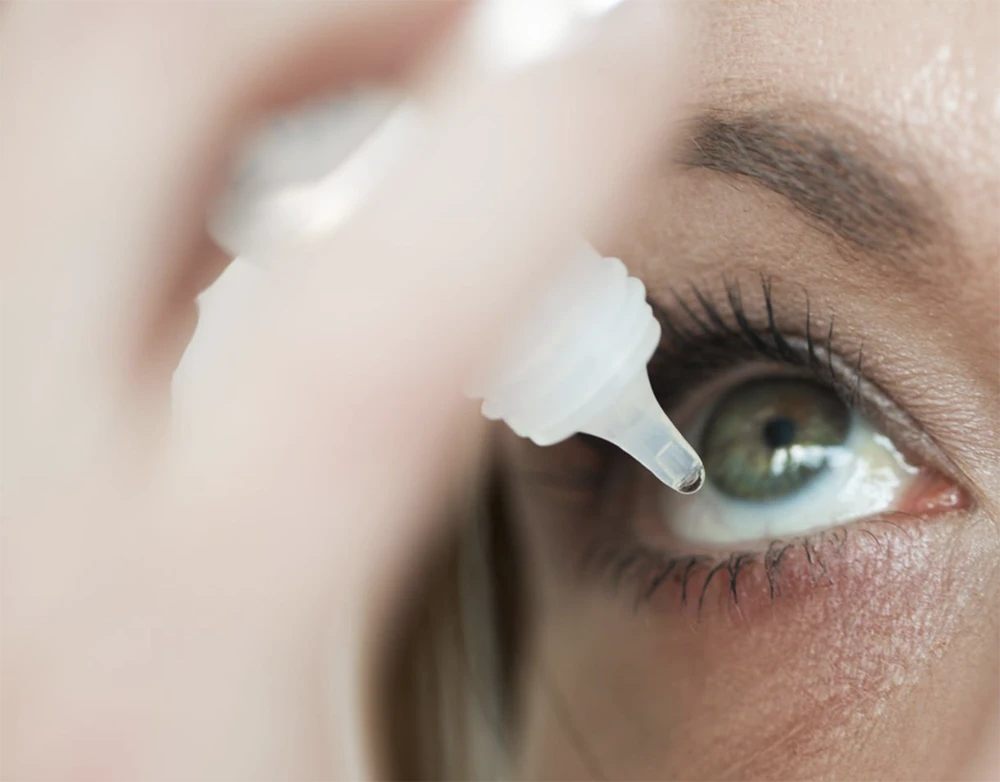
With between six and eight million real Christmas trees sold each year and research showing that 20% of households opt for a real tree and 61% for an artificial one, that’s a lot of potential allergy triggers to deal with.
Pharmacist Noel Wicks, an adviser to GoldenEye® – the experts behind a range of pharmacy eye drops and eye ointments to treat conjunctivitis, styes and blepharitis – explains: “Christmas Tree Syndrome is a recognised phenomenon. It describes allergy-type reactions triggered by having a real Christmas tree in the home. Symptoms often mimic hay fever and may include runny noses, sneezing, coughing, and itchy, watery or red eyes.
“In some cases, irritation can lead to blepharitis or even styes, as the urge to rub itchy eyes can introduce infection.”
The Causes Behind The Christmas Tree Syndrome
Pharmacist Noel Wicks, an adviser to GoldenEye®, explains, “Most of the Christmas Tree Syndrome reactions are caused by pollen, mould and dust.”
- Pollen: Real trees collect pollen outdoors before cutting, which is then brought into the home.
- Mould: A major culprit behind red, watery eyes and breathing difficulties. Real Christmas trees carry mould, and it thrives in warm indoor environments, especially when the central heating is on.
Research found a six-fold increase in mould when a Christmas tree was brought into the room and did not fall until the tree was removed. Another study found more than 50 kinds of mould on samples researchers brought in from their own Christmas trees
- Dust mites: Dust mites are one of the most common respiratory allergens. They can be carried into the house on real and artificial Christmas trees as well as on the decorations and lights.
- Tree scent: The characteristic pine smell, which is synonymous with Christmas, comes from terpenes in the tree sap, and some people are allergic to these compounds.
- Farm chemicals: Chemicals used at Christmas tree farms, while not true allergens, can act as irritants, triggering hay-fever-like symptoms.
Understanding the Eye Conditions Behind the Symptoms
Conjunctivitis, also known as pink eye, is inflammation of the conjunctiva, the thin lining inside the eyelid, often caused by infection from a virus, bacteria, or allergen. Blood vessels of the sclera (the white of the eye) become dilated, giving that familiar red appearance. People may also experience gritty, itchy, sticky or excessively watery eyes.
Blepharitis. This common eye condition is estimated to account for around 5% of eye-health-related GP visits. Noel Wicks says that blepharitis causes inflammation of the eyelids.
“This can either be anterior blepharitis, inflammation at the base of the eyelid which can be caused by bacteria like staphylococci, or seborrhoeic dermatitis; or posterior blepharitis, an inflammation of the meibomian glands, which help to produce tears.”
Symptoms can include soreness, itching, a gritty feeling, flakes, or crusts around the roots of the eyelashes and eyelashes sticking together in the morning when you wake up.
Such eye conditions are very uncomfortable and require immediate treatment to prevent them from getting worse.
Seven Tips to Manage Christmas Tree Syndrome
- Mask up: Wear a mask when getting stored decorations out – to avoid dust and mould inhalation.
- Hose down: If possible, rinse live Christmas trees before bringing them indoors, and allow them to dry completely.
- Shake it off: Shake real trees thoroughly outside to remove loose pollen, dust and mould.
- Get the duster out: Wipe down artificial trees and decoration ornaments to remove the dust.
- Visit the pharmacy: For eye irritation or minor infections, seek advice for your pharmacist on products such as GoldenEye® Eye Drops or Eye Ointment.
- Limit display time: Reduce how long real trees stay indoors — mould levels continue to rise over time.
- Store smart: Keep artificial trees and decorations in sealed containers in a cool, dry place to help minimise dust accumulation.
GoldenEye®: Pharmacist Noel Wicks, an adviser to GoldenEye®, says: “If you find your eyes are having an allergic-type reaction, like red, itchy or watery eyes, it could be the Christmas tree in your house.
“It’s important to treat the symptoms straight away, to stop them from progressing further and potentially spoiling Christmas.”
For allergy-related eye irritation, including conjunctivitis, blepharitis, styes or itchy, watery eyes, GoldenEye® Eye Drops can help to soothe and treat. GoldenEye® Eye Drops contain propamidine isethionate, which works by stopping bacteria from growing and multiplying, which controls the numbers of bacteria causing an infection. This eye drop also has antifungal properties. Always read the label.
There is also GoldenEye® Eye Ointment: Containing dibrompropamidine isethionate. GoldenEye® Eye Ointment is for conjunctivitis (red eye), styes and blepharitis (infection of the lid margins and eye follicles). It contains antiseptics (not antibiotics), which help to stop bacteria from growing and multiplying. Always read the label.
GoldenEye® Eye Drops and GoldenEye® Eye Ointment are both available over-the-counter from the pharmacy. They contain antiseptics, which help to prevent bacteria from multiplying on the surface of the eye and causing an infection.
GoldenEye® Antibiotic Eye Ointment contains the antibiotic chloramphenicol. This product is intended for acute bacterial conjunctivitis in adults and children aged 2 years and over. It should be reserved for acute infection to limit the spread of bacterial resistance to antibiotics (antibiotic resistance). Always read the label.
- About the Author
- Latest Posts

Our Editorial Team are writers and experts in their field. Their views and opinions may not always be the views of Wellbeing Magazine. If you are under the direction of medical supervision please speak to your doctor or therapist before following the advice and recommendations in these articles.