
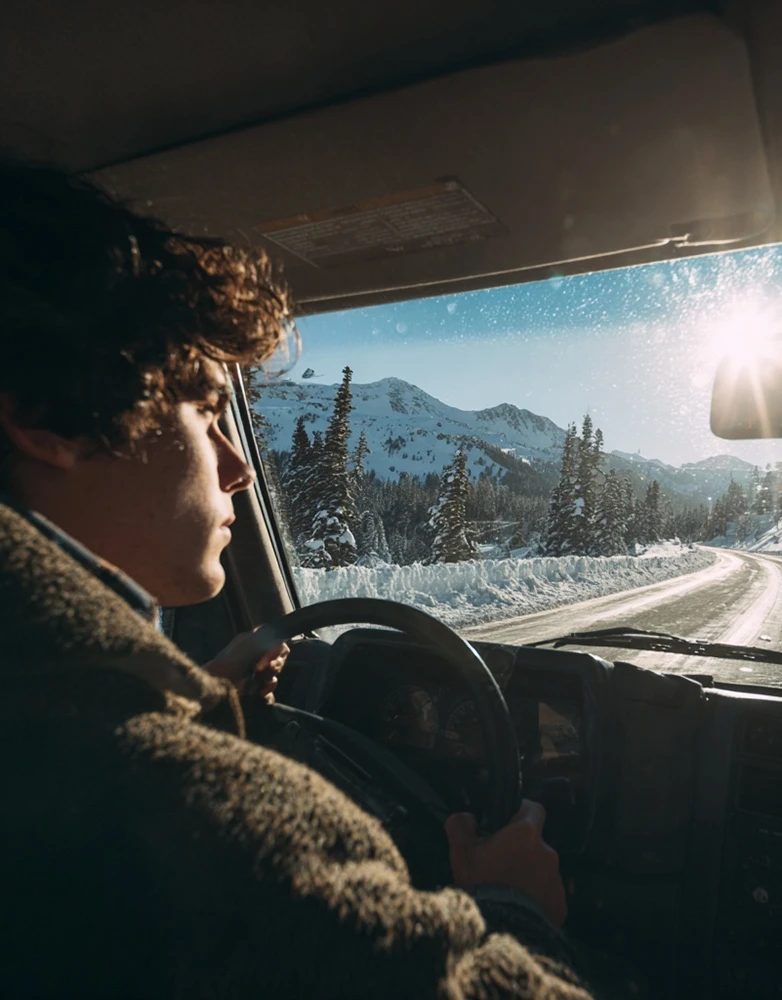
As winter arrives, driving conditions can change dramatically. For new drivers, this season can be scary because snow, ice, and cold temperatures can make driving difficult. Winter driving needs special skills and awareness. You need to pay attention to icy roads and keep your vehicle well-maintained. But don’t worry! With some preparation, you can drive safely and confidently this winter.
So, how can you prepare for winter driving? Let’s look at some ways to stay safe behind the wheel.
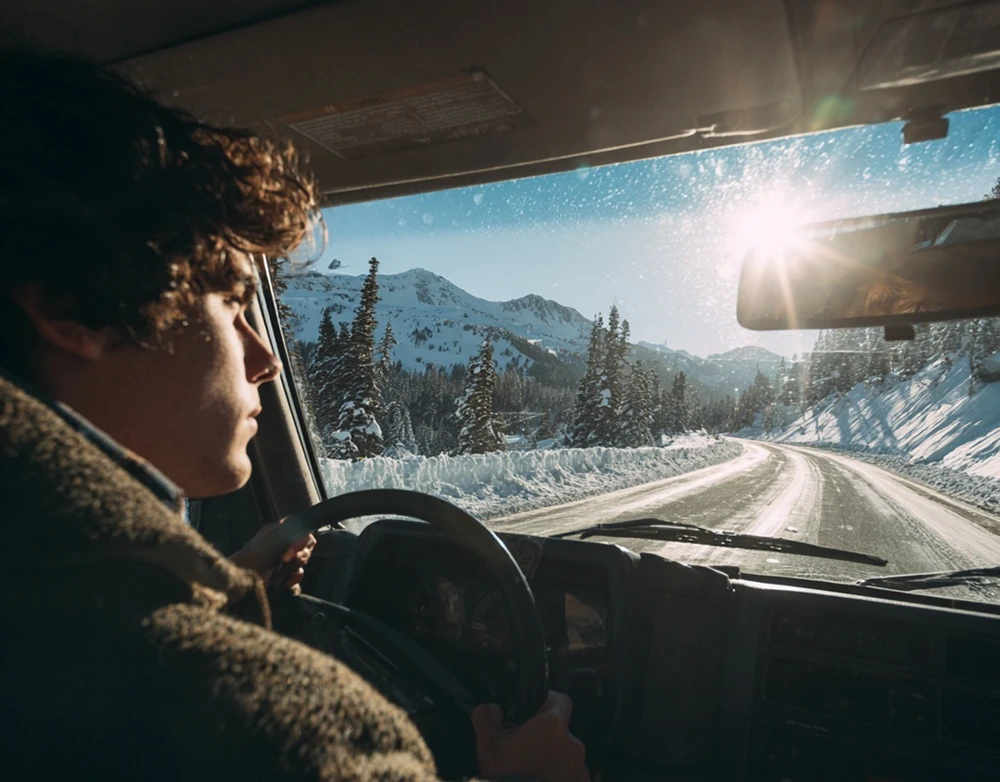
Be Prepared
Before you drive, make sure your vehicle is ready for winter. Check your tires, brakes, wipers, and fluids. If you live in an area with a lot of snow, invest in a good set of winter tires. These tires grip icy roads better than all-season tires. Also, ensure your wipers are working well and that your windshield washer fluid can handle low temperatures.
You should also have a well-stocked emergency kit in your vehicle. Include a blanket, flashlight, snacks, water, and first aid supplies. If you get stuck or stranded, these items can help. A shovel and an ice scraper are also important for clearing snow and ice from your vehicle before you drive.
Know Your De-icers
Liquid de-icer is very useful for keeping your car ready for winter. It helps clear your windshield so you can see the road and improves safety. Before starting your engine, spray liquid de-icer on your windows if there is frost, snow, or ice. This prevents buildup that can make it hard to see.
Follow the manufacturer’s instructions when using the product. It helps melt ice quickly and reduces scratches from scraping. Keep liquid de-icer in your car during the winter months. Also, be sure to clear all the snow off your vehicle before driving. Snow sliding off your roof can create hazards.
Master Winter Driving
New drivers need to know how to drive in winter conditions. Start by practicing in an empty parking lot, if you can. This way, you can learn how your vehicle behaves on slick surfaces.
In winter, it takes longer to stop. Keep a safe distance from the car in front of you to give yourself more time to react. Try to stay at least six seconds behind the vehicle in snowy conditions.
Avoid sudden movements, which can cause skidding. Accelerate and brake gently, and steer smoothly. If you begin to skid, stay calm and gently turn into the skid to regain control. Visibility can be poor in winter, so keep your headlights on even during the day. This helps others see you better.
Stay Informed
Stay updated on the weather and road conditions. Use apps and websites that provide real-time traffic information. If conditions are bad, consider delaying your trip or using other transportation. It might be safer to stay off the road during snowstorms.
Check local news or weather apps for updates. Knowing what to expect helps you prepare. Make sure your phone is charged and consider downloading a weather app for the latest conditions.
Plan for the Unexpected
Even the best plans can go wrong. If you get stranded, know what to do. Stay with your vehicle if it’s safe. It’s often safer than leaving for help. Run the engine periodically to stay warm and keep the exhaust pipe clear of snow to avoid carbon monoxide buildup inside your vehicle.
Let a friend or family member know your travel plans and when you expect to arrive. If something goes wrong, they’ll know where to look.
Practice Defensive Driving
Defensive driving is very important in winter when roads can be tricky. Always stay aware of what’s happening around you and predict what other drivers might do. Look out for cars that are skidding or losing control and keep a safe distance from them. If you see a car swerving or having trouble, slow down and give it more space.
In winter, it’s better to be careful than to hurry. Avoid distractions like using your phone or changing the radio while driving. Staying focused will help you respond better to changing road conditions.
Know When to Pull Over
Sometimes, driving can become too dangerous. If the weather gets worse or if you can’t see well, find a safe place to pull over. Look for a rest stop or a wide shoulder to park your car. Turn on your hazard lights to let other drivers know you are stopped.
It’s safer to wait out a storm than to drive in bad conditions. Use this time to check the weather and plan your travel. If you feel unsafe or unprepared to keep going, consider finding another route or another form of transportation. Always put your safety first, even if it means arriving late.