
3 Everyday Technologies That Can Boost Your Respiratory Health
Technologies for respiratory health. Air purifiers, smart inhalers, wearables. Describes how each supports lung wellness. Discover how to breathe easier.
The air we breathe is the most fundamental connection we have with the world around us. In our modern lives, we often spend the vast majority of our time indoors, where the quality of that connection can quietly diminish. While we frequently look toward ancient practices or natural retreats to restore our vitality, there is a thoughtful space where modern innovation meets our physiological needs.
Integrating specific tools into our daily environment allows us to cultivate a more conscious relationship with our lungs and overall physical state. Respiratory wellness is not merely the absence of discomfort but a proactive engagement with our surroundings.
By selecting technologies that align with the natural rhythms of our bodies, we can create a domestic sanctuary that supports every breath. These advancements offer a bridge between the fast pace of the digital age and the steady, restorative need for clean and balanced air.
Understanding how to harness these resources helps us move toward a more grounded and mindful way of living within our own homes. Settle in and explore how these three everyday innovations can help you breathe more deeply and live with greater intention.
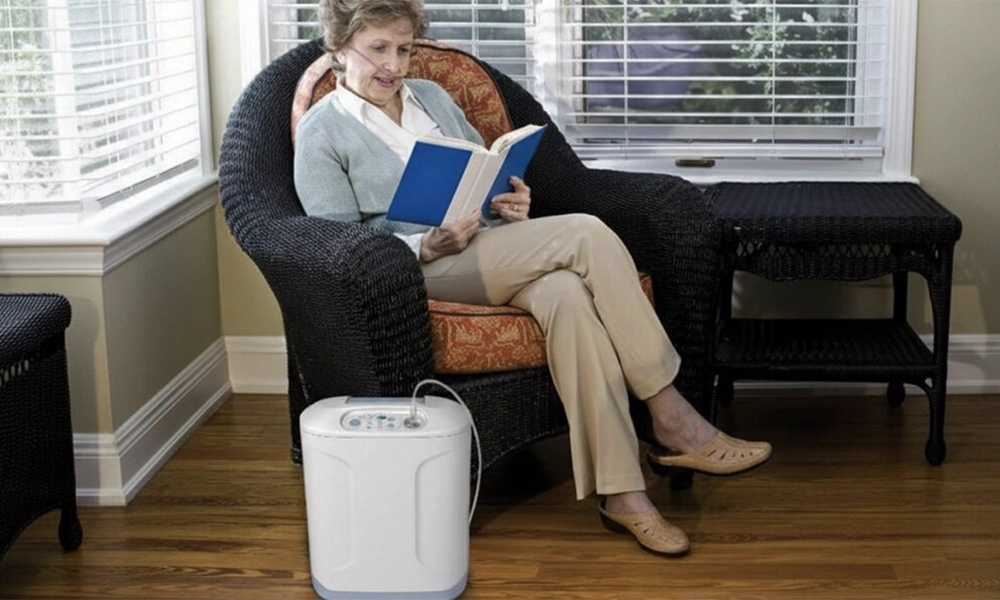
Photo from RespShop
1. Indoor Air-Quality Solutions
Indoor air quality is a significant concern for the average person, who spends about 90% of their life inside. In these enclosed environments, pollutant levels are frequently two to five times more intense than those found in the open air.
Homes trap pet dander, mould spores, cleaning-product fumes, and ultrafine dust, which can aggravate respiratory systems. For individuals managing chronic conditions, supplementing these environments with home-use oxygen concentrators from RespShop alongside standard filtration can further support overall respiratory health.
Furthermore, studies have found that levels of several organics average 2 to 5 times higher indoors than outdoors, posing risks for allergy sufferers.
How The Tech Works
- Air-quality monitors: Use laser sensors to measure particulate matter (PM2.5), volatile organic compounds (VOCs), temperature, and humidity.
- Smart HEPA purifiers: Pull data via Wi-Fi or Bluetooth, then automatically increase fan speed when pollutant levels spike.
- Filtration layers: Activated-carbon layers neutralize odors and chemical fumes, while pre-filters catch larger dust and hair.
Instant Benefits
- Allergen and odour reduction within hours of operation.
- Fewer morning throat tickles and reduced post-nasal drip.
- Quieter nights for partners previously kept awake by persistent coughing.
2. Guided Breathing Apps
Research published by the National Institutes of Health indicates that voluntary diaphragmatic breathing at fewer than 10 breaths per minute was effective in producing positive outcomes over 4 weeks.
By syncing breath with gentle visual or haptic cues, apps make evidence-based breathing techniques easy for beginners. This pacing helps lower heart rate and balance the autonomic nervous system.
App Features to Look For
- Custom inhale/exhale ratios (4-6 breaths per minute is often cited as a therapeutic sweet spot).
- Real-time SpO₂ tracking integration via phone-compatible fingertip sensors.
- Vibration or tone cues for eyes-closed sessions.
- Daily streak reminders and sleep-preparation programs.
Instant Benefits
- Perceived breathlessness can drop after just five minutes of practice.
- Lowered stress response, supporting better general asthma management.
- Sharper mental focus during afternoon energy dips.
Try It Now: 60-Second Box-Breathing
- Exhale fully through the mouth.
- Inhale through the nose for 4 seconds.
- Hold for 4 seconds.
- Exhale for 4 seconds.
- Hold lungs empty for 4 seconds.
Repeat the cycle four times to complete the exercise. Notice the subtle opening across the chest and shoulders and the calmer mental state.
Safety & Best Practices
People with uncontrolled hypertension, panic disorders, or advanced lung disease should consult a clinician before beginning intense breath-holding practices. Start with two short sessions per day and extend the duration gradually. Listen to your body and stop if you feel dizzy.
3. Home Oxygen Concentrators
If pulse-ox readings dip below 92% during walking, after respiratory infections, or at night, consult a doctor promptly; they may recommend tests or prescribed oxygen therapy for fatigue relief in cases like post-viral recovery or mild COPD.
How Concentrators Work
These machines draw room air, filter out nitrogen through sieve beds, and deliver a continuous stream of up to 90-plus per cent oxygen. Unlike heavy cylinders, these devices require no refills. You simply plug them into a wall outlet to enjoy medical-grade oxygen around the clock.
Instant Benefits
- Stable blood-oxygen saturation (SpO₂) day and night.
- Less breathlessness when climbing stairs or performing household chores.
- Freedom from cylinder deliveries and pressure-gauge anxiety.
Safety Checklist
- Tubing Safety: Keep tubing clear of tripping paths and change cannulas every two weeks.
- Clearance: Maintain three-foot clearance from open flames or cigarettes.
- Maintenance: Clean dust filters monthly for peak output.
Your Next Steps
Clean air, intentional breathing, and reliable oxygen support can transform your day faster than most wellness fads. Test your indoor air tonight, download a guided-breathing app during lunch, and explore options for home oxygen concentrators. Better breathing isn’t a distant goal; it is one smart tool away from becoming your new normal.
| Author Profile: RespShop is a leading online retailer of CPAP machines, masks, and oxygen therapy equipment for individuals managing sleep apnea and respiratory conditions. |