Navigating the journey of medical hair loss often feels like losing a familiar map of one’s own identity. When changes to our physical appearance are dictated by health challenges rather than personal choice, the reflection in the mirror can start to feel like a stranger.
This transition is rarely just about aesthetics, as it touches upon our deepest sense of self and how we move through the world. Understanding that these feelings are a natural part of the healing process is the first step toward reclaiming a sense of agency over your body and your narrative.
Restoring your confidence requires a gentle and integrative approach that honours both your emotional well-being and your physical comfort. These small and intentional shifts help to bridge the gap between who you were before your diagnosis and the resilient person you are becoming today.
Explore these thoughtful approaches to rediscovering your spark and embracing your inherent beauty.
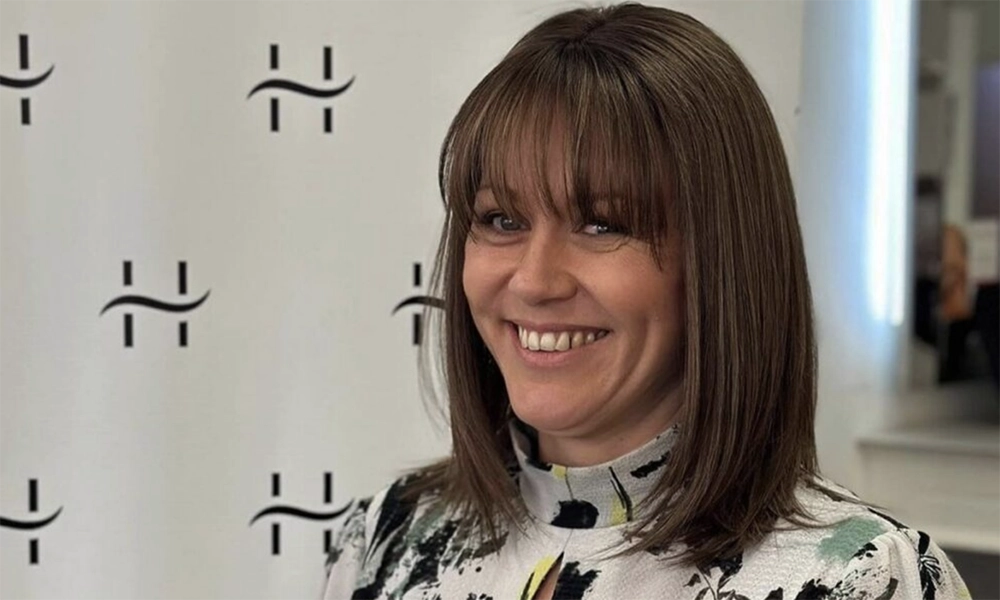
Photo from Daniel Alain Instagram
1. Choose a Premium Human-Hair Wig for Instant Confidence
A well-crafted wig functions as more than just an aesthetic accessory; it acts as a security blanket you can style. For those seeking undetectable hairlines and natural movement, human hair wigs from Daniel Alain provide a medical-grade option. These products feature breathable hand-tied caps and offer the versatility required for daily life.
High-quality wigs offer specific advantages for those in recovery. Undetectable hairlines allow for ponytails or half-up styles without revealing the transition. Medical-grade cranial prosthesis classifications are often covered by insurance providers, making them a practical investment.
For many survivors, the ability to walk into a room without a hat or scarf creates a profound shift in mindset. That immediate boost in normalcy is why high-quality, medical-grade wigs remain a gold standard in recovery support.
2. Pamper Your Sensitive Scalp With Doctor-Approved Care
Chemotherapy and radiation can leave the scalp tender, dry, and significantly more susceptible to environmental damage. Mayo Clinic dermatologists recommend adopting a less-is-more approach during this treatment window. This strategy helps protect fragile skin from unnecessary irritation.
- Wash infrequently: Cleanse no more than twice a week using a mild, fragrance-free, and sulfate-free cleanser.
- Temperature control: Use lukewarm – never hot – water to avoid stripping the scalp of its natural protective oils.
- Blot, don’t rub: Gently blot the area dry with a soft microfiber towel, as vigorous rubbing can irritate sensitive follicles.
- Hydrate: Finish the routine with a lightweight, paraben-free moisturizer or an aloe-based serum to soothe tightness.
- UV Protection: Shield the scalp from the sun using a UPF scarf, broad-brimmed hat, or a wig liner that contains SPF.
If you wear a wig daily, it is important to rotate in a wig-safe shampoo formulated to cleanse hairpieces without loosening the knots. If you experience extreme redness or scaling, book a tele-dermatology visit promptly. Early intervention can prevent infections and prolonged discomfort.
3. Build Supportive Self-Care Rituals to Reclaim Inner Strength
Hair loss impacts more than just physical appearance; it often ripples into social anxiety and sleep disruption. In fact, 54% of users struggle with low self-esteem or self-image. Incorporating small, recurring rituals can help rebuild emotional resilience during this time.
- Mindfulness practices: Dedicate time to five-minute morning affirmations or gratitude journaling to centre your mindset.
- Community connection: Join an online hair-loss support group moderated by oncology social workers to share experiences.
- Joy appointments: Schedule weekly activities purely for pleasure, such as restorative yoga or a brisk neighbourhood walk.
Practical comforts also play a role in maintaining independence and well-being. If winter temperatures keep you indoors, heated gloves can make an outdoor stroll comfortable even when circulation issues make fingers sensitive.
On low-energy days, alternative transport options like a moped scooter can help you run errands without physical strain. Experts encourage patients to layer these mind-body rituals alongside physical solutions. Feeling seen and supported often catalyses the greatest emotional shift during recovery.
The Path Forward
Regaining a sense of self rarely happens in one giant leap; it is the result of a series of small, strategic choices. Hair loss can be devastating, but for many people, hair grows back after treatment. Together, these solutions create a holistic roadmap toward confidence after treatment. You deserve to look and feel like yourself again.
| Author Profile: Daniel Alain is the leading manufacturer and supplier of premium European human hair wigs and toppers for women experiencing hair loss. |