Your home is probably the biggest purchase you’ll ever make. Yet most of us spend more time researching a new phone than we do maintaining the place we live in.
That’s not a criticism. Life gets busy. The roof looks fine from the ground. The chair in the lounge has always been there. And those flies in the kitchen? They’ll go away on their own. Right?
Wrong, usually. On all counts.
Here’s the thing. The stuff that really protects your home and keeps everyone in it comfortable isn’t flashy. It’s not a kitchen island or underfloor heating. It’s the boring, practical upgrades that quietly save you money, prevent disasters, and make getting through the day a little easier.
We’re talking about furniture that stops your dad from falling. A roof that actually does its job. Pest control that sorts the problem instead of masking it.
None of this is exciting. All of it matters.

When a Chair Becomes a Safety Issue
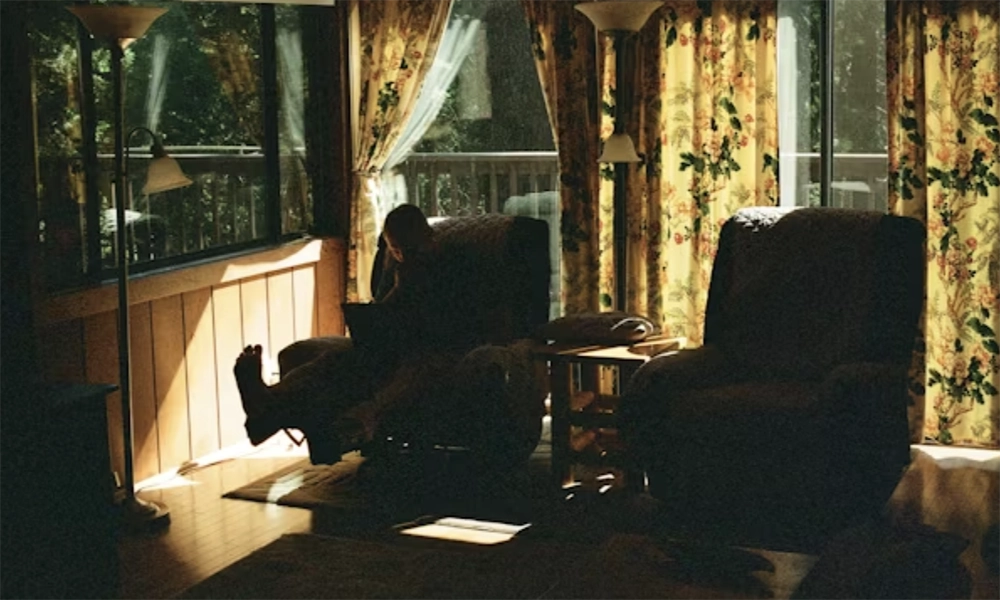
Most people don’t think about chairs as safety equipment. But if you’ve ever watched an older parent struggle to stand up from a low sofa, you know exactly what we’re talking about.
Falls at home are a massive problem for older adults. And a surprising number of them happen during something as simple as getting out of a seat.
Standard armchairs and couches sit too low. The cushions are too soft. There’s nothing to grip. For someone with arthritis, hip problems, or general stiffness, that’s a recipe for trouble.
Lift recliners solve this in a really straightforward way. They have a motorised base that tilts the chair forward, gently helping the person stand without straining their joints or relying on someone else for help.
They also recline flat, which is great for naps, swollen legs, or recovery after surgery. Not a bad deal for a single piece of furniture.
If your mum or dad is getting to that stage where standing up takes three attempts and a lot of wincing, it’s worth looking into options. You can shop lift chairs for elderly family members online, and find a range of styles that don’t look like hospital equipment.
That last point matters more than you’d think. Nobody wants to feel like their home has turned into a care facility. A good lift recliner looks like a normal chair. It just works a whole lot harder.
While you’re at it, consider a few other small changes. Grab rails near the toilet and shower. Better lighting in the hallway at night. Non slip mats where they’re needed.
These tweaks cost almost nothing. But they can prevent a broken hip, a hospital stay, and months of recovery.
The answer often starts with something as simple as better furniture.
Your Roof Is Working Harder Than You Think
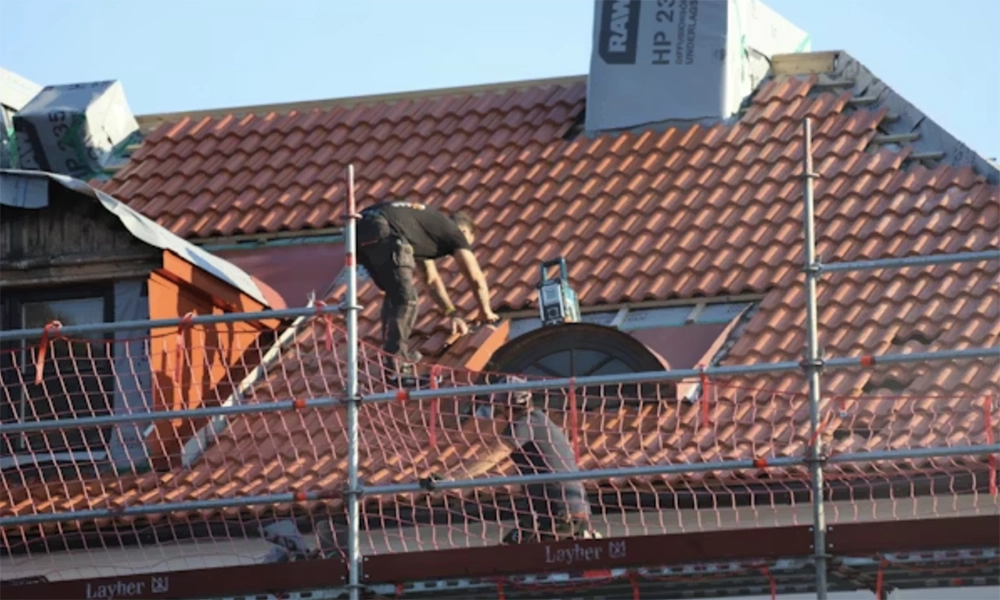
Here’s a question. When was the last time you actually looked at your roof? Not glanced at it on the way to the car. Properly looked.
Most people couldn’t answer that honestly. And that’s a problem, because your roof is doing more work than almost any other part of your home.
It keeps raining. It holds heat during winter and reflects it during summer. It protects the timber frame, the wiring, and the insulation. It’s basically the reason everything underneath it stays dry and functional.
When a roof starts to fail, things go south fast.
A cracked tile lets moisture in. That moisture soaks into timber and insulation. Mold starts growing in places you can’t see. The structure weakens. Your energy bills creep up because the heating is working overtime to compensate.
By the time you notice a water stain on the ceiling, the damage behind the plaster could already be significant.
The annoying part? Most of this is preventable. An annual inspection, some basic gutter cleaning, and timely repairs can keep a roof in solid shape for decades.
If you’re already seeing signs of wear, cracked or missing tiles, sagging sections, damp patches, or moss buildup, don’t sit on it. The longer you wait, the bigger the bill.
Working with specialists who understand your local climate makes a real difference too. What works in one region might not hold up in another. Materials, pitch angles, and weatherproofing all need to match the conditions.
For homeowners dealing with older or weather damaged roofing, getting professional advice from experts in residential roofing Christchurch locals recommend can save you from nasty surprises down the track. They’ll tell you what needs fixing now, what can wait, and what the whole job will realistically cost.
If you’re planning to sell at any point, this matters even more. Buyers and inspectors always check the roof. A solid one adds real value to your asking price. A dodgy one can tank a sale completely.
Spend a little now or a lot later. Your call.
Flies in the Kitchen? It’s Not About Being Dirty
Nobody likes admitting they’ve got a fly problem. There’s this unspoken assumption that if you’ve got flies, your house must be filthy.
That’s not how it works.
Flies are opportunistic. All they need is a tiny food source and a warm spot. A bit of forgotten fruit in the bottom of a bowl. A drain that hasn’t been cleaned in a while. A bin lid that doesn’t quite seal.
Once they find a spot they like, they breed fast. We’re talking hundreds of eggs at a time. Within a week, a minor nuisance becomes a full blown infestation.
And it’s not just annoying. It’s a health concern.
Flies carry bacteria. Things like E. coli and Salmonella. Every time one lands on your kitchen bench or your food, it’s potentially transferring pathogens. For young kids, older adults, or anyone with health vulnerabilities, that’s a real risk.
Flysprays and traps can help in the short term. But they only deal with the flies you can see. They don’t touch the breeding sites, which are usually hidden in drains, compost, or behind appliances.
That’s where professional pest control earns its keep. A proper fly treatment for house infestations targets the source of the problem, not just the symptoms. Technicians identify where the flies are breeding, apply treatments that actually work, and give you advice on preventing a repeat.
It’s one of those things where paying a professional once beats fighting the same battle yourself every week.
On the prevention side, keep it simple. Seal your bins. Wipe down benches after cooking. Clean your drains once a month with hot water and a bit of bicarb. Make sure your window screens don’t have holes.
Do that consistently and you’ll rarely have a problem.
Small Moves, Big Payoffs
A lift chair. A roof inspection. A pest treatment.
None of these will show up on a home renovation Instagram account. Nobody’s pinning them to mood boards or filming before and after reels.
But they’re the kind of decisions that separate homeowners who are constantly putting out fires from those who rarely have problems in the first place.
The pattern is the same every time. Catch it early, fix it cheaply. Ignore it, pay through the nose.
A chair that helps your parent stand up safely costs a fraction of a hospital visit after a fall. A roof repair today prevents water damage that could cost ten times more next winter. A professional fly treatment saves you weeks of frustration and protects your family’s health.
These aren’t glamorous wins. They’re practical ones. And they add up.
Well maintained homes hold their value. They cost less to insure. They’re more comfortable to live in every single day.
More importantly, they let you stop worrying about things breaking, leaking, or infesting, and start actually enjoying the space you’ve built.
Start wherever it makes sense for you. Maybe it’s the chair your dad’s been struggling with. Maybe it’s that patch on the ceiling you’ve been pretending not to notice. Maybe it’s the flies you keep swatting but never seem to get rid of.
Pick one. Sort it out. Then move to the next.
That’s how a house stays a home.
- About the Author
- Latest Posts

Our Editorial Team are writers and experts in their field. Their views and opinions may not always be the views of Wellbeing Magazine. If you are under the direction of medical supervision please speak to your doctor or therapist before following the advice and recommendations in these articles.