Have you ever noticed how refreshed someone looks after eyelid surgery and wondered how they manage to keep that bright, rested appearance years later? Blepharoplasty can reshape the upper or lower eyelids, smoothing excess skin and reducing puffiness that tends to accumulate with age.
The procedure itself addresses structural changes around the eyes, yet the long-term appearance still depends on everyday habits. Skin around the eyes remains delicate, and factors like sun exposure, sleep patterns, and lifestyle routines gradually influence how the results age.
In lifestyle and beauty circles, especially in cities like Charlotte, where cosmetic procedures are becoming increasingly common, the conversation usually shifts beyond surgery itself. The real curiosity becomes how people maintain that refreshed look long after the recovery period ends.
Below are six lifestyle habits that help support blepharoplasty results over the long run.
1. Protect the Eye Area from Daily Sun Exposure
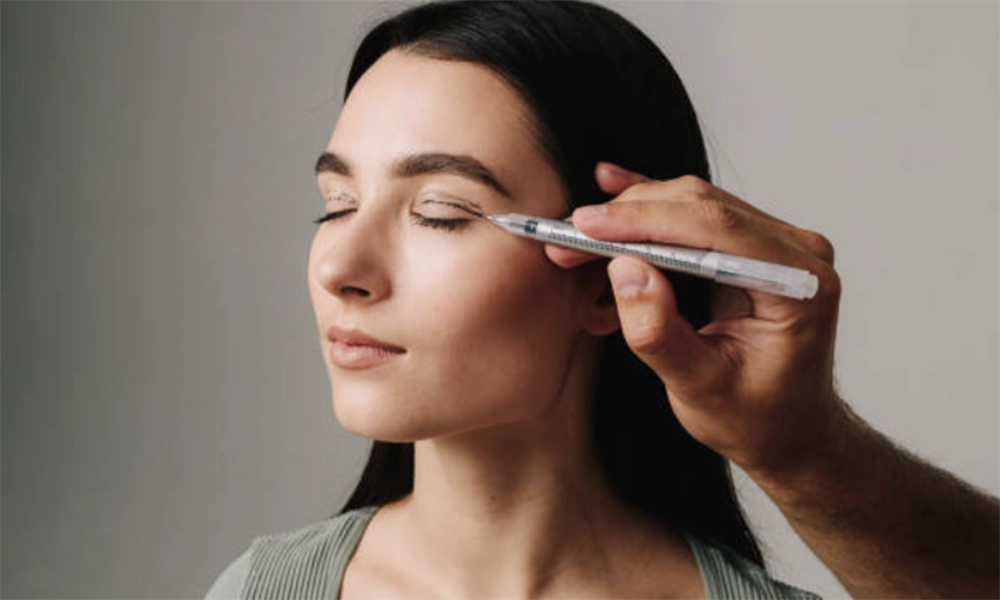
One of the first areas where aging becomes noticeable is the skin around the eyes. Even after eyelid surgery has corrected excess skin or puffiness, the eyelids remain delicate and vulnerable to environmental stressors, particularly ultraviolet exposure, which gradually weakens collagen and elasticity.
Ongoing sun damage is one reason people begin searching for solutions such as blepharoplasty in Charlotte, NC, when drooping eyelids or persistent puffiness make their eyes appear tired despite feeling well-rested. Once that research leads to a consultation, surgeons typically evaluate how skin quality, sun exposure habits, and overall facial structure influence the aging process around the eyes.
Addressing those concerns is exactly why experienced specialists like those at Beck Aesthetic Surgery perform eyelid procedures designed to restore a smoother contour while maintaining natural facial balance. After surgery, consistent sun protection is one of the simplest ways to preserve those improvements.
2. Prioritize Consistent Sleep Patterns
Sleep affects the eyes more than most people realize. When rest becomes irregular, fluid retention and changes in circulation can cause puffiness around the lower eyelids, gradually altering the refreshed appearance that surgery creates.
The eye area responds quickly to sleep quality because the skin is thin and the blood vessels are close to the surface. Late nights, dehydration, and inconsistent sleep cycles can all contribute to swelling or dark shadows.
People who maintain a stable sleep routine tend to notice that their eyes look clearer and less puffy throughout the day. The body’s natural repair processes also work more efficiently during deeper sleep cycles, which helps skin maintain elasticity over time. While surgery reshapes the eyelids structurally, long-term appearance still reflects daily habits like rest, hydration, and recovery.
3. Maintain a Gentle Skincare Routine Around the Eyes
The eyelid area requires a different approach than the rest of the face. Harsh scrubs, aggressive rubbing, or strong active ingredients can irritate thin skin and accelerate signs of aging.
A consistent but gentle routine tends to work best. Hydrating eye creams, mild cleansers, and careful makeup removal reduce unnecessary tension on the skin surrounding the eyes. People sometimes underestimate how much daily friction affects the eyelids.
Pulling at the skin during makeup removal or rubbing tired eyes throughout the day gradually weakens the delicate tissue that blepharoplasty reshaped. A softer approach to skincare allows surgical results to settle naturally while protecting surrounding tissue from unnecessary stress.
4. Stay Hydrated and Support Skin Health Through Diet
Hydration influences the skin’s elasticity more than most people expect. When the body is dehydrated, skin loses some of its natural plumpness and can appear thinner or more creased, particularly in delicate areas like the eyelids.
Nutrition plays a similar role. Diets rich in antioxidants, healthy fats, and vitamins help support collagen production and skin repair. Foods containing vitamin C, omega-3 fatty acids, and leafy greens contribute to long-term skin health by supporting the body’s natural regenerative processes.
Over time, those nutrients help maintain the firmness and smoothness achieved with eyelid surgery. Healthy eating habits don’t replace surgical results, but they create the internal conditions that allow skin to age more gradually.
5. Manage Stress and Reduce Eye Strain
Stress doesn’t just affect mood—it also affects the face. Increased cortisol levels affect circulation, sleep quality, and inflammation, which can subtly change how the eyes appear. Extended screen time can contribute as well. Long hours staring at phones or computers encourage squinting and eye strain, which gradually creates tension around the orbital muscles.
People who take regular screen breaks, adjust lighting conditions, and incorporate stress-management habits—whether through exercise, meditation, or simply time away from devices—tend to notice fewer lines of tension around the eyes. That relaxed facial movement helps preserve the smooth contour created during eyelid surgery.
6. Maintain a Stable Weight and Healthy Lifestyle
Weight fluctuations can influence facial volume, including the areas surrounding the eyes. When body weight shifts significantly, facial fat distribution may change as well, which can affect how the eyelid area appears.
Maintaining a balanced lifestyle with consistent activity and nutrition helps keep facial proportions stable. This doesn’t mean strict dieting or extreme routines, but rather maintaining habits that support overall health.
Regular exercise also improves circulation, which supports skin health and helps reduce fluid retention around the eyes. Those small physiological benefits gradually contribute to maintaining a refreshed appearance. Over time, lifestyle stability tends to preserve surgical results better than dramatic swings in weight or routine.
Conclusion
Blepharoplasty reshapes the eyelids by removing excess skin and refining the contour around the eyes, but long-lasting results depend on more than the procedure itself. Daily habits—sun protection, sleep quality, skincare choices, hydration, stress management, and overall lifestyle stability—play an important role in how those results age over time.
The goal isn’t perfection but consistency. Small routines practiced over months and years gradually protect the delicate skin around the eyes, allowing the refreshed look created by eyelid surgery to remain natural and balanced well into the future.