Swimming is a unique way for babies to experience the world before they can even walk. The water provides a sensory-rich environment that supports growth in ways that dry land cannot match. Many parents find that the pool becomes a favorite place for bonding and discovery.
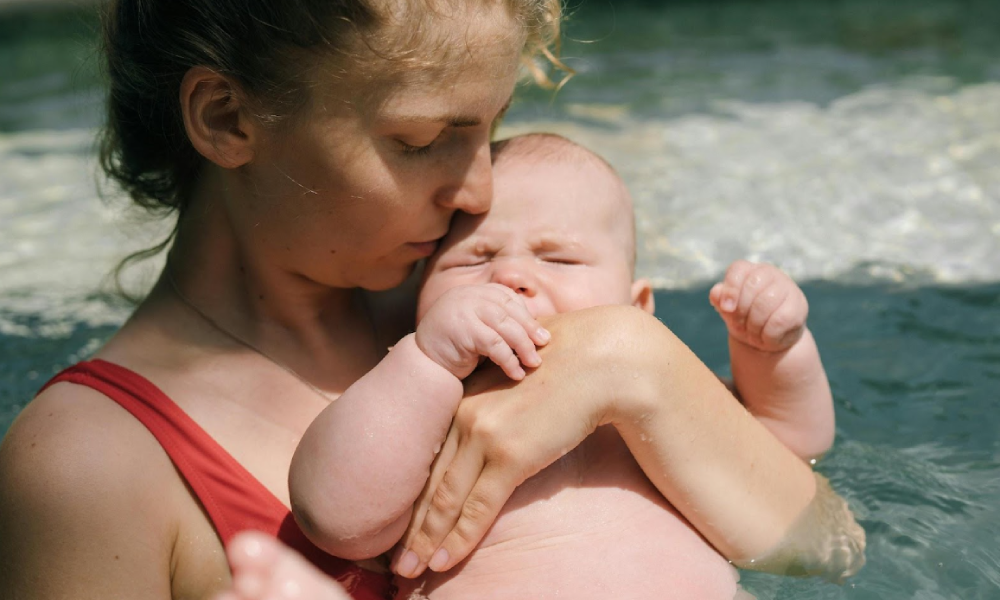
Physical Development in the Water
Babies possess natural reflexes that make them surprisingly comfortable in an aquatic setting. Moving through the water allows them to use muscles that are not yet strong enough to support their weight on land. One recent report mentioned that water naturally helps reduce body weight, which allows babies to move their limbs and core with more freedom.
This weightless environment encourages infants to kick and reach, building strength in their tiny muscle groups. Consistent movement in the pool helps with coordination and balance. It is a gentle way to introduce physical activity into a daily routine.
Building Confidence and Social Skills
Starting early helps a child feel at ease in different environments. Group settings allow babies to see others their age splashing and playing. This social interaction is a key part of the learning process.
New parents often look for infant swim classes to help their children gain water familiarity. These sessions provide a safe space for babies to explore new sensations. Families often notice their children becoming more outgoing after spending time in the pool.
- Early exposure reduces fear of the water later in life.
- Group classes help babies learn to follow simple cues.
- Playful interactions with other infants build early social bonds.
Cognitive and Mental Growth
The brain of an infant is like a sponge, soaking up every new experience. Swimming requires the brain to process many different sensations at once, from the temperature of the water to the sound of splashes. A study published in early 2025 found that contact with blue spaces is associated with better mood regulation and stress recovery.
These mental benefits extend to how a baby interacts with their surroundings. Learning to navigate the water helps with spatial awareness. It also teaches them to react to new physical challenges in a calm way.
Improving Sleep and Appetite
Many parents notice that a trip to the pool leads to a very long nap. Swimming is a full-body workout that uses a lot of energy, even for a baby. The gentle resistance of the water tires them out in a healthy way.
Active babies tend to have better appetites and more consistent sleep patterns. The routine of the pool provides a structured activity that helps regulate their internal clock. This can lead to a more relaxed household for everyone.
- The physical effort of swimming promotes deeper sleep cycles.
- Increased activity levels often lead to better feeding habits.
- The rhythmic nature of water can be very soothing for fussy infants.
Sensory Stimulation and Awareness
Water provides a type of sensory input that is hard to find elsewhere. The feeling of water on the skin and the muffled sounds below the surface create a whole new world. This variety of input helps the nervous system develop more effectively.
Babies learn to distinguish between different textures and pressures. They also start to understand how their own movements affect the water around them. This cause-and-effect relationship is a fundamental part of early learning.
Strengthening the Parent-Child Bond
One of the best parts of baby swimming is the focused time spent together. In the water, a parent must hold their baby close and stay constantly engaged. This skin-to-skin contact and eye contact create a deep sense of security.
Without the distractions of phones or chores, the pool becomes a place for pure connection. The baby learns to trust their caregiver in a new and exciting environment. This trust forms the foundation for a strong relationship as the child grows.
Safety and Awareness for the Future
While swimming is fun, it also serves as an introduction to water safety. Early lessons help babies understand the boundaries of the pool. They learn that the water is a place that requires adult supervision and specific behaviors.
These early experiences do not replace the need for constant watchfulness. However, they do give children a head start on learning how to behave around pools and lakes. Familiarity with the water makes future lessons much easier to navigate.
Long-Term Health Benefits
Starting a healthy habit in infancy can last a lifetime. Children who enjoy the water are more likely to stay active as they get older. Swimming is a low-impact sport that supports heart health and lung capacity.
The lungs work a bit harder when a baby is in the water, which can help strengthen the respiratory system. It is a fun way to ensure a child stays mobile and healthy. These early splashes are the first steps toward a life of physical fitness.
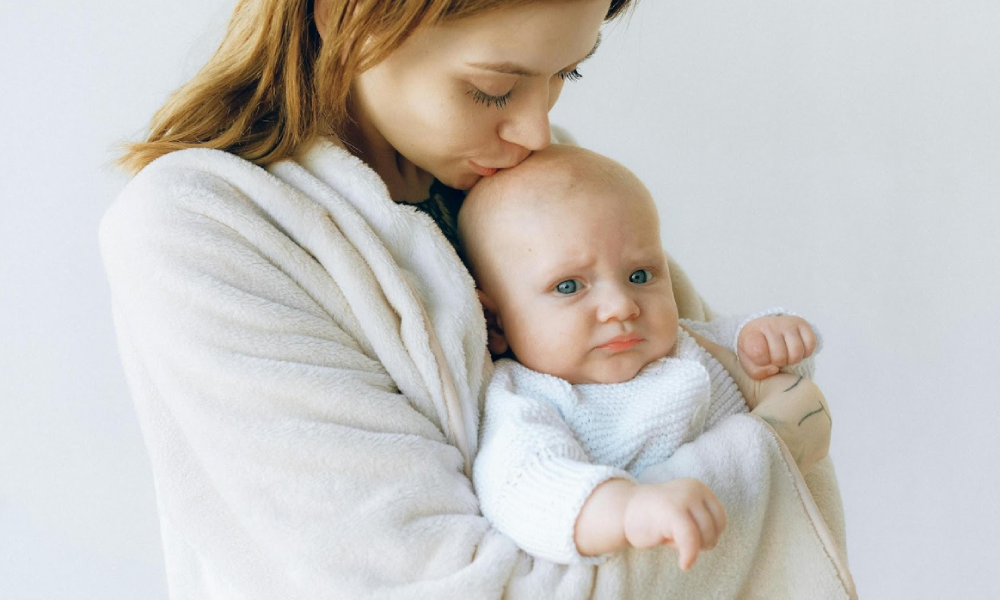
Every kick and giggle in the water represents a small milestone in a baby’s journey. These moments are precious and contribute to a happy, healthy start in life. Whether it is the physical workout or the quiet bonding time, the water is a perfect place for growth. Keeping the experience positive and fun ensures that the child will look forward to their time in the pool for years to come.
- About the Author
- Latest Posts

Our Editorial Team are writers and experts in their field. Their views and opinions may not always be the views of Wellbeing Magazine. If you are under the direction of medical supervision please speak to your doctor or therapist before following the advice and recommendations in these articles.