Maintaining independence is a priority for many people as they age. Most seniors prefer to stay in their own homes where they feel comfortable and safe. Professional support at home makes this possible while focusing on health and personal needs.
These services provide a way to balance safety with the freedom of living at home. You can find help with daily tasks or medical needs without moving to a facility. This approach helps seniors thrive in a familiar environment.
Help With Daily Activities
Many older adults find that certain chores become harder over time. A recent report from the World Health Organization found that 2 in 3 people who reach an older age will likely need long-term support for daily activities. Support at home fills these gaps by helping with bathing, dressing, and cooking.
Professional home care services are designed to adapt to these changing needs as a person grows older. This assistance allows seniors to save their energy for things they enjoy. It reduces the physical strain that often leads to burnout or injury for those living alone.
Personalized Care Plans
Every person has different health requirements and goals. Choosing professional help ensures that the level of support matches what a senior actually needs. Having a customized plan prevents the stress of unnecessary interventions.
Family members can rest easy knowing a professional is following a specific routine. These plans often include help with physical therapy exercises or specialized diets. Having a one-on-one caregiver means the senior gets full attention during every visit.
Care plans are not set in stone and can change as health needs evolve. A caregiver might start with a few hours a week for grocery shopping. They can add more hours if help with mobility or hygiene becomes necessary.
Medication Management
Keeping track of various pills and dosages is a challenge for anyone. For seniors taking multiple prescriptions, a mistake can lead to serious health issues. Caregivers provide reminders to take the right medicine at the right time.
They also watch for side effects that might otherwise go unnoticed. This oversight helps prevent complications and keeps chronic conditions under control. It is a simple way to stay healthy without the stress of managing a complex schedule.
Many seniors feel overwhelmed by pharmacy trips and refill dates. A home aide can help organize the weekly pillbox and alert the family when a script is running low. This consistency is a major part of avoiding health scares.
Better Safety and Fall Prevention
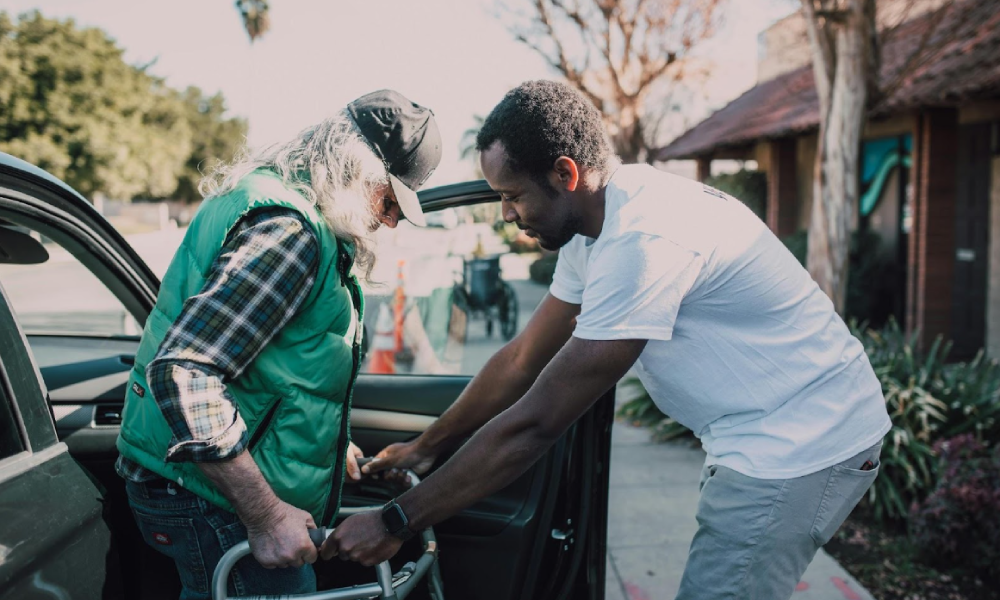
Falls are a major concern for those living independently. A home care provider can spot hazards like loose rugs or poor lighting that might cause a trip. They also provide physical support when a senior is moving from a bed to a chair.
Modern technology is also making homes much safer for older adults. One industry update for 2025 noted that smart devices like fall detection and telehealth tools are making home care more effective. These tools provide an extra layer of protection even when a caregiver is in another room.
- Removing clutter from hallways and walking paths.
- Installing grab bars in bathrooms and near stairs.
- Checking that all areas have bright, easy-to-reach lighting.
- Securing rugs with non-slip backing or removing them.
Small changes to the home environment can have a massive impact. A caregiver acts as a second set of eyes to ensure the living space stays tidy. They can also assist with light housekeeping to keep floors clear of tripping hazards.
Social Interaction and Mental Health
Loneliness can have a negative impact on physical health. Having a caregiver provides regular social contact and a friendly face to talk to. This companionship can reduce feelings of isolation and depression.
Caregivers often engage seniors in puzzles, hobbies, or light conversation. This mental stimulation keeps the brain active and can improve overall mood. Having someone to share a meal with makes a big difference in a person’s daily outlook.
Mental wellness is just as vital as physical safety. When a senior has someone to look forward to seeing, they are more likely to stay active. Social visits can include walks in the park or simply chatting about current events.
Nutritional Support
Eating well is a cornerstone of staying healthy at any age. Many seniors struggle to cook balanced meals or shop for fresh ingredients. A caregiver can handle grocery trips and prepare nutritious food that tastes good.
They can also follow specific dietary restrictions, such as low-sodium or diabetic-friendly menus. Proper nutrition boosts the immune system and provides the energy needed for daily life. It is much easier to stay healthy when fresh meals are ready to eat.
Reduced Hospital Visits
Frequent trips to the hospital are exhausting and expensive. Home care focuses on preventing crises before they happen. By monitoring vital signs and health changes daily, caregivers catch small problems early.

Consistent support leads to better management of long-term illnesses. This proactive approach keeps seniors out of the emergency room and in their own beds. It provides a more stable and peaceful way to manage aging.
Finding the right balance of help and independence is the key to success. Families can feel confident that their loved ones are receiving expert care. This support system makes the home a place of wellness and joy for years to come.
- About the Author
- Latest Posts

Our Editorial Team are writers and experts in their field. Their views and opinions may not always be the views of Wellbeing Magazine. If you are under the direction of medical supervision please speak to your doctor or therapist before following the advice and recommendations in these articles.