Home is supposed to mean something steady. A soft place. A place where a child can take off their shoes, lower their guard, and breathe without thinking about it. It is supposed to be the place that tells the nervous system, without words, you are safe here.
But addiction changes the feeling of a home long before a child has the language to explain what is happening.
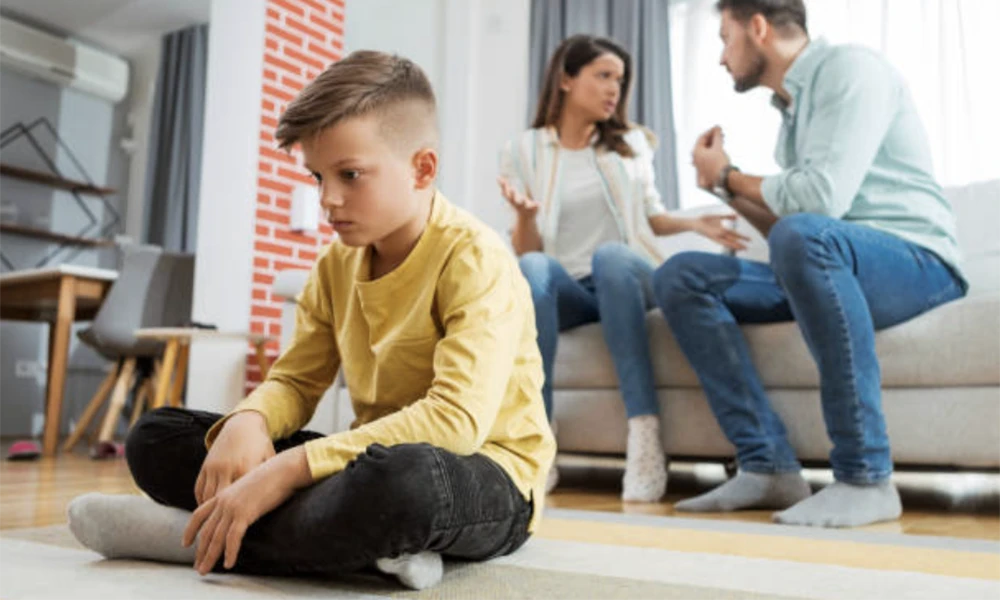
Sometimes the fear arrives loudly. A slammed door. A broken plate. A voice that shifts from flat to furious in seconds. Sometimes it arrives quietly, which can be worse in its own way. A parent passed out on the couch. Missed pickups. Empty promises. Strange people coming in and out. A child lying awake, listening for footsteps, trying to guess what version of the evening is about to unfold.
That is the part many people miss. The damage is not only in the dramatic moment. It is in the waiting. The scanning. The never knowing. When home becomes unpredictable, a child does not really rest. They manage. They monitor. They adapt. And that kind of adaptation can follow them for years.
When fear moves into the everyday
A child living around addiction often becomes skilled at reading small signals. They notice the tone of a voice before a sentence is finished. They hear the difference between tired and intoxicated. They can tell from the sound of keys at the door whether the night is going to stay calm or spin out.
That kind of hyperawareness may look impressive from the outside. The child seems mature. Quiet. Helpful. Maybe even unusually composed. But underneath that surface, there is often a body stuck in survival mode.
The body keeps the score, even in small moments
Fear at home does not always look like panic. Sometimes it looks like my stomach aches before bedtime. It looks like trouble concentrating at school. It looks like a child who startles too fast, talks too little, or melts down over something that seems minor.
Honestly, that last part gets misunderstood all the time.
Adults may see a child overreacting to a spilled drink or a forgotten homework sheet. But for a child who does not feel safe at home, the nervous system is already overloaded. One more small thing can feel like too much because, really, it is never just that one small thing.
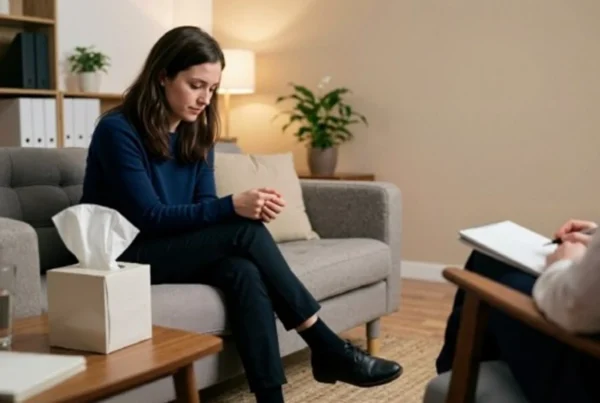
This is also why emotional support matters early. Access to Mental Health Therapy can help children and families begin to name what fear has been doing in silence. That naming matters. So does being believed.
Safety is not only physical
People often talk about dangerous homes as if danger only counts when there is visible violence. But emotional instability creates its own kind of fear. A child may not be hit and still feel deeply unsafe. They may still brace when a parent walks in. They may still hide in their room. They may still whisper, still watch, still wait.
And when that becomes normal, the child stops expecting comfort from home. That is a profound loss.
The child who becomes the grown-up too soon
Addiction often scrambles roles inside a family. The parent becomes unreliable, emotionally absent, or chaotic. The child starts filling the gap.
They may get younger siblings ready for school. They may clean up messes that should never have been theirs to handle. They may learn when to stay quiet, when to make excuses, when to lie for the family in polite company. It can look like responsibility. It can sound like maturity. But it is not healthy growth. It is survival dressed up as competence.
Here’s the thing. Children are not built to carry adult-sized emotional weight.
When a child becomes the steady one in an unstable home, they lose something essential. They lose the right to be messy, needy, unsure, loud, frightened, or carefree. They start believing love means managing other people’s chaos. Later in life, that belief can show up in friendships, romantic relationships, and work. They may become the fixer in every room. The person who senses tension first and takes responsibility for it, even when it is not theirs.
The hidden cost of being “the strong one”
Many children from addictive homes hear the same comments for years. You’re so mature. You’re so independent. You’re such a good kid.
And yes, sometimes they are. But that praise can hide a hard truth. They are often surviving by becoming smaller, more useful, less visible. They are not simply strong. They are over-adapted.
That is why the long-term effects can be so confusing. A child from an unsafe home may grow into an adult who performs well, keeps things organized, and seems fine on paper. Yet inside, there may still be dread, shame, sleep problems, trust issues, or a constant sense that rest must be earned.
What unpredictability really does to a child’s mind
A stable home helps a child build an inner map of the world. It teaches them what to expect. It helps them trust patterns. Dinner happens. Bedtime comes. Adults mean what they say. Feelings can be expressed without everything falling apart.
Addiction tears holes in that map.
One day a parent is affectionate. The next day they are unreachable. A promise is made in the morning and broken by evening. Rules change depending on mood, substance use, or whatever crisis is unfolding. The child learns that nothing is solid for long.
That kind of inconsistency does not stay neatly contained in childhood. It often shapes how a person sees everything else.
Trust becomes complicated
A child who grows up in fear may want closeness and fear it at the same time. They may crave comfort but struggle to accept it. They may expect disappointment before anything has even gone wrong.
This is not because they are difficult or damaged beyond repair. It is because their system learned a painful lesson early. The people you need most can also be the people you fear most.
That is a brutal contradiction to carry.
And in families where substance use has become severe, treatment often needs to address the whole environment, not only the person using. Places that provide care such as Drug and Alcohol Rehab in California are part of a larger picture, because addiction rarely harms one person alone. It changes the weather inside a house. Everyone breathes that air.
The shame children carry that was never theirs
Children almost always make sense of family chaos by turning inward. They do not usually think, this adult is struggling with a disease and our home life is unstable because of that. They think, what did i do wrong? Why can’t i fix this? Why is our family different? Why do i feel scared all the time?
That private shame can become one of the deepest wounds.
A child may avoid bringing friends over. They may learn to smile on cue and say everything is fine. They may become experts at image control because the truth feels too risky, too embarrassing, too heavy to share.
You know what makes it worse? Adults often help keep the silence going. Families protect secrets. Schools miss signs. Relatives say things like your parents are just under stress or let’s not upset anyone. The child absorbs the message that speaking honestly is dangerous.
So the fear stays trapped inside. And trapped fear has a way of turning into anxiety, numbness, anger, or depression later on.
Not every scary home looks the same
There is no single script for how addiction shows up in a family. In one home, it may look loud and explosive. In another, it may look polished from the outside and emotionally frozen on the inside. Some children live with neglect. Others live with volatility. Many live with both.
That matters because people often miss the quieter cases.
A home can have nice furniture, packed lunches, and holiday photos on the wall and still feel terrifying to a child. Fear does not need broken windows to be real. Sometimes it lives in long silences, sudden disappearances, slurred apologies, or the feeling that no adult in the room is truly present.
Crisis does not begin only when everything falls apart
People sometimes imagine help starts when a situation becomes visibly extreme. But addiction usually creates harm long before outsiders call it a crisis. By then, children may already be carrying years of stress.
And when substance use has reached the point where physical dependence is part of the picture, services like Drug and Alcohol Detox can become part of the path forward. That step is clinical, yes, but it also has emotional meaning for families. It can mark the moment when the chaos finally gets named instead of excused.
What children remember when they grow up
Ask adults who grew up in homes shaped by addiction what they remember, and they often do not begin with one dramatic story. They talk about the atmosphere.
They remember the tension in the hallway.
They remember listening through walls.
They remember not knowing whether to ask for help or stay quiet.
They remember feeling older than they were.
They remember wanting to go home and wanting to avoid home at the same time.
That split feeling is hard to explain unless you have lived it. You still love the people inside the house. You still want the good version of them. You still hope tonight will be different. But your body knows better. Your body keeps score long after your mind tries to move on.
And that is what makes an unsafe home so painful for a child. It ruins the place that should have meant relief.
When home teaches fear instead of comfort
Children build their sense of the world from what happens closest to them. From kitchens and bedrooms and doorways. From who shows up and who does not. From whether adults protect them or frighten them. From whether night feels ordinary or dangerous.
So when home becomes the scariest place a child knows, the harm reaches far beyond childhood moments. It shapes identity, stress responses, attachment, sleep, trust, and the meaning of love itself.
That does not mean the story ends there. But it does mean the wound is real.
And maybe that is where any honest conversation has to start. Not with denial. Not with tidy language. With the plain truth.
A child cannot settle where they are afraid.
A child cannot fully rest in a house that teaches them to brace.
And when fear lives where comfort should be, it changes them. Quietly, deeply, and for a long time.
- About the Author
- Latest Posts

Our Editorial Team are writers and experts in their field. Their views and opinions may not always be the views of Wellbeing Magazine. If you are under the direction of medical supervision please speak to your doctor or therapist before following the advice and recommendations in these articles.