
After a nervous breakdown at 50, I finally found out why talking therapy couldn’t work for me
When Sassy Smith, a 57 year old author from Dorset, had a breakdown in 2019 at the age of 50, she contacted a therapist for help.
When Sassy Smith, a 57 year old author from Dorset, had a breakdown in 2019 at the age of 50, she contacted a therapist for help. At the time, she was plagued with panic attacks, a sense of dread and insomnia. She soon realised, however, when the therapist presumed she had an inner voice and was able to picture herself as a child, that traditional talking therapy was not something that would ever work for her.
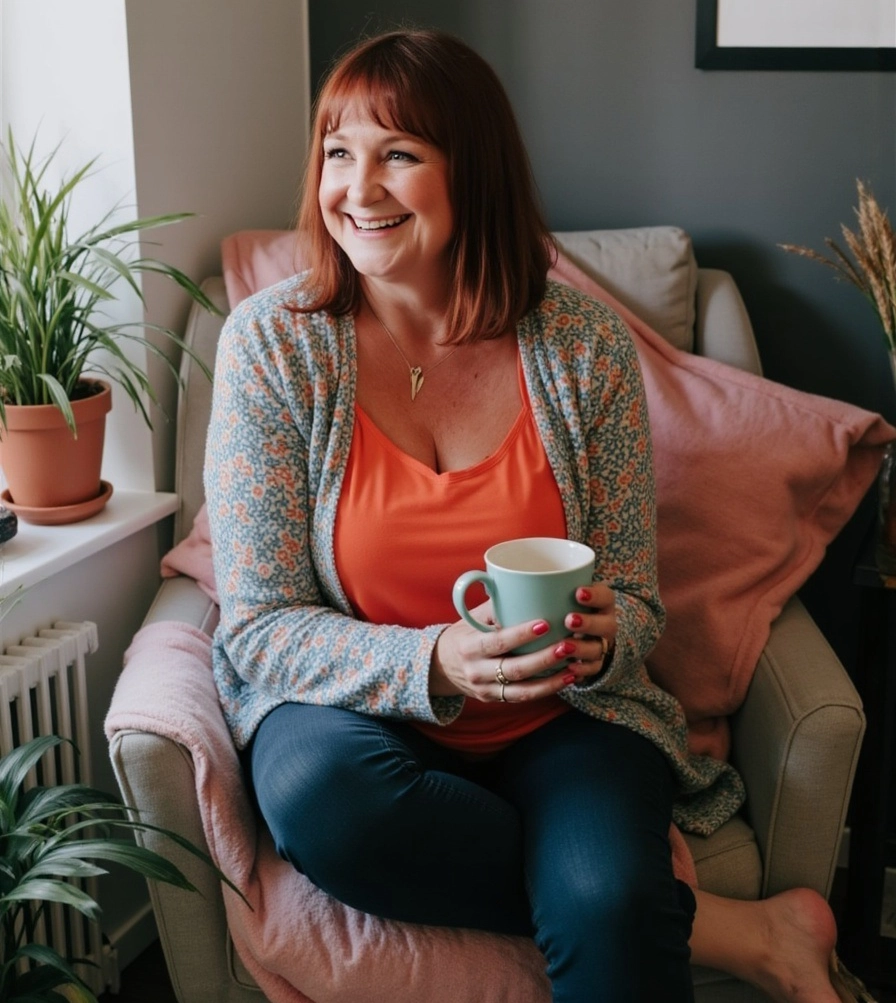
After diagnosing herself with a condition called multisensory aphantasia and a severely deficient autobiographical memory (SDAM), Sassy finally realised why.
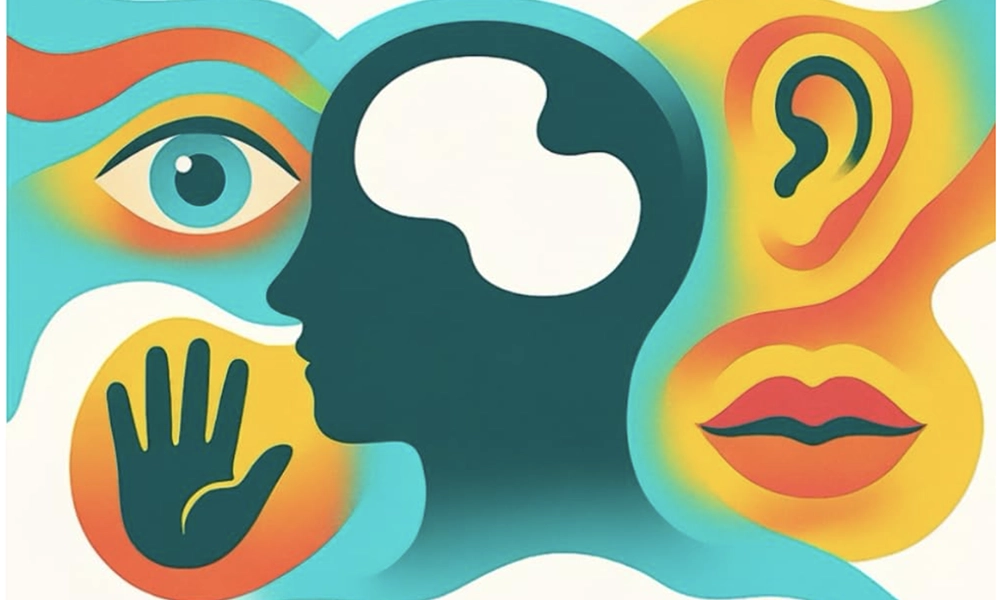
Aphantasia is a cognitive difference which means people cannot visualise, hear thoughts or emotionally relive memories. They have no inner voice or mind’s eye. It reportedly affects between 1% to 5% of the population and 51% of people with aphantasia also have SDAM.
“Self-help promised clarity, confidence and change. What it delivered for me was confusion and a growing sense that I was missing something everyone else seemed to have,” Sassy says.
“Before I saw the therapist, I wasn't aware of how much therapy modalities and methods rely on visualisation, hearing your thoughts and accessing your memories, all things which I am not able to do.”
Sassy’s think that her nervous breakdown may have been triggered by a major restructure at work (a local property firm) which she found very unsettling. It quickly escalated from anxiety to debilitating panic attacks and insomnia.
“It felt as though as my heart might beat right out of my chest and I couldn’t stop crying. It was really uncomfortable place to be in physically. I realised I needed to deal with the physical impact of what I was going through, alongside what was happening in my brain,” she says.
Sassy started cold-water swimming in the sea each morning to help try and reset her nervous system. She also began researching more around aphantasia and found a study by neurologist Professor Adam Zemen, who gave aphantasia its name after publishing a paper on it in 2010. The paper was based on a patient who lost his mind’s eye after a stroke in 2003.
Sassy told her therapist about her findings and that she believed she had a cognitive difference known as aphantasia but it didn’t seem to make a difference.
“The therapist kept asking me the same questions in different ways. For example, when I said I couldn’t picture myself as a child, they said ‘what was your inner Sassy saying to you?” even though I’d told them I had no inner voice.”
After finding out more about aphantasia, Sassy realised she wasn’t alone and why self-help therapy would never work for her. Once she understood she couldn’t visualise images in her mind or access an inner monologue, her relationship with self-help finally made sense.
"I’d gone to therapy seeking help but I found myself repeatedly explaining that I couldn't do what was being asked," she says. "I couldn't visualise, access the memories or identify internal emotions. My therapist had no idea that minds like mine couldn’t do these sorts of things.”
Sassy believes that people with aphantasia, much like people with other neurodivergent differences, often try to underplay or minimise their experiences to fit in.
“As a result, people with these invisible differences are routinely misread as resistant, avoidant, or dissociative. They mask their differences to fit therapeutic expectations and many leave therapy feeling even more broken than when they arrived,” she says. “I certainly did, at least.”
Sassy’s experience led her to retrain as a therapist over lockdown. She began by doing a remote learning counselling course with an online tutor and in 2024 she launched her therapy business, The Aphantasia Academy, (which provides specialised training to therapists). Then, in 2025, she wrote her book, Unseen Minds, A Therapist’s Guide To Multisensory Aphantasia And Invisible Cognitive Differences, which was published in February of this year.
Sassy has adapted traditional therapy techniques to make them accessible to people with aphantasia, SDAM and other cognitive differences.
“I ask openly about cognitive experiences early on. So I might say: ‘When I use words like ‘visualise,’ does an image actually come up for you, or is it more abstract, a ‘knowing’?’” Sassy explains.
“This question is non-invasive, respectful, and curiosity-driven. It invites exploration, rather than explanation.”
She also tries to replace imagery with externalisation. So if the client can’t conjure an inner image, she tries to give them something tangible.
“I might ask them to draw a timeline rather than visualising a life path or I might use objects or cards to represent parts, feelings, or memories,” she says. “I ask for factual recall rather than emotional re-experiencing.”
Sassy says these external tools allow clients with aphantasia to show the therapist what’s happening in their world, without relying on an inner canvas they don’t have.
“What I really want is to challenge the assumption that everyone’s brain works the same way and that everyone can visualise, access their memories and hear their thoughts. The fact is, some people can’t and if you go with that assumption, you’ll leave people like me feeling worse than they did before.”
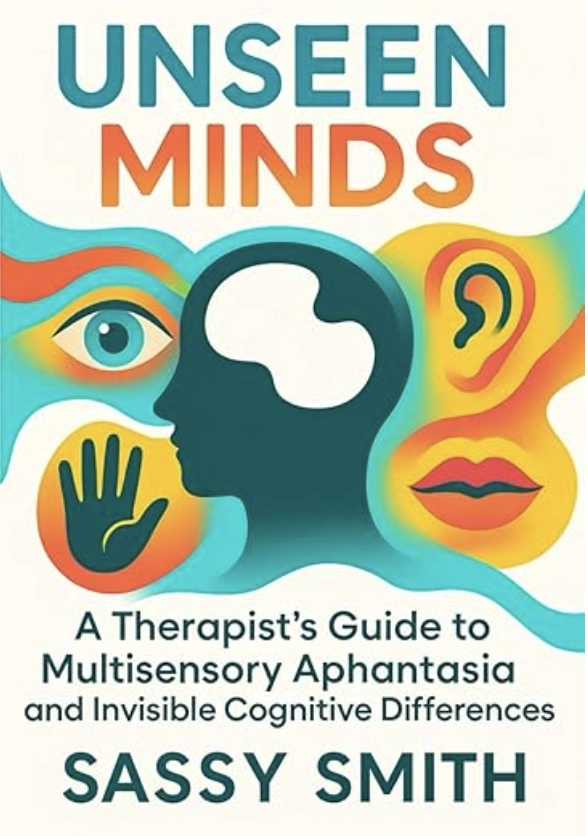
Unseen Minds, A Therapist’s Guide To Multisensory Aphantasia And Invisible Cognitive Differences, which was published in February of this year.
Written by: By Georgina Fuller
Filed underAnxiety, Insomnia & sleep problems, Counselling & talking therapy