There are two types of people in the world of fitness- a gym freak and a casual fitness guy. One thing common in them is the need for recovery after workouts. Whether you lift heavy weights or do cardio, proper recovery after a session can boost your performance and reduce injury risks.
Multiple studies have deduced over the years that most sports-related injuries can be prevented with routine recovery practices. While trainers can tell you to try techniques like stretching and foam rolling, many others are not given much importance. Many fitness centers now come equipped with the best recovery tools for faster healing post-workout.
Aside from the traditional ones, people nowadays also look into other techniques like massage therapy, compression garments, light therapy, and cryotherapy. If you are looking for these techniques you’re in the right place! So let’s check out everything there is to know about fitness recovery techniques!
Understanding the Importance of Fitness Recovery
Why Recovery is Essential for Fitness Progress
Much like the workout itself, recovery after it is equally important. Recovery is a phase where the body rebuilds and prepares itself for the future.
When you work out, it is natural for the muscles to tear as energy stores get used up. During recovery, the body repairs these to restore energy levels. This helps you come back stronger in the next session.
If you do not give your body time to heal these microtears can transform into long-term damage. So the next time you come to the gym, you run the risk of overtraining yourself which leads to such damage to the muscles.
Common Misconceptions About Fitness Recovery
The common phrase set in stone by fitness legends is “No pain, No gain.” Although it is true, you also need to keep recovery in the mix as not all pain is good for you.. Beginners pushing forward with this mindset ignore the body’s need for rest. This leads to injury and mental burnout early on in the process hampering focus and drive.
Overworking your body will not only slow down growth but can also sabotage your fitness journey. So when working out you need to give equal importance to recovery as you give to working out and diet.
Key Recovery Techniques for Fitness Enthusiasts
Active Recovery
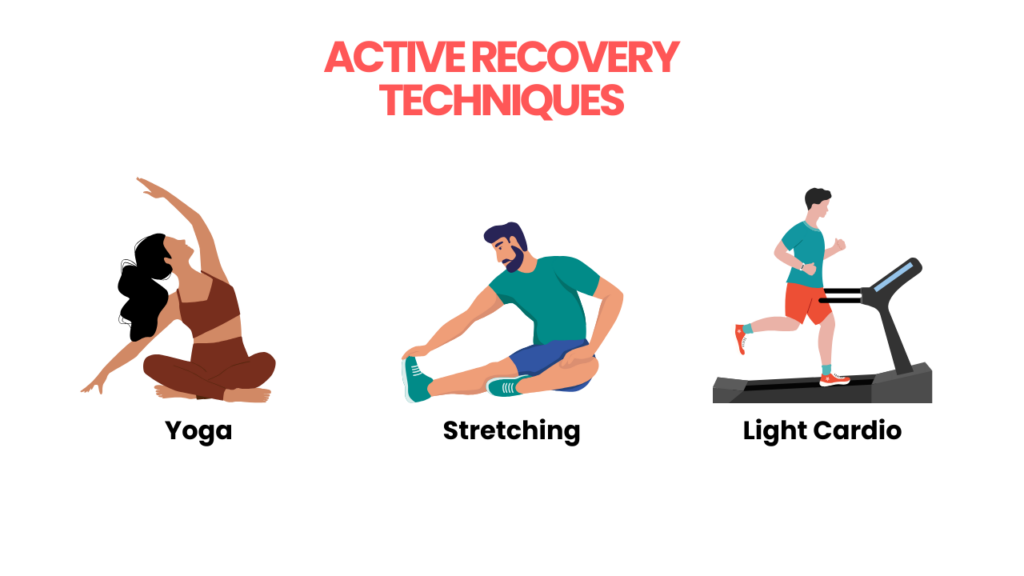
What is Active Recovery?
The most common work of recovery is the method of active recovery. Here you do not necessarily stop working out on rest days. Instead of lifting weights, you can do low-intensity exercise after following a taxing day at the gym.
As a result, active recovery keeps the body moving with gentle exercises to keep the body flowing which can reduce soreness. With blood circulating in regular flow, you prevent a build-up of lactic acid and supply enough oxygen to the muscles for repair.
Examples of Active Recovery Exercises
- Light Cardio: Walking, cycling, or swimming at a low pace.
- Yoga: This is essentially a more refined practice of stretching the body combined with controlled breathing that relaxes the body.
- Stretching: controlled stretching can increase blood flow to target specific muscle groups.
Sleep and Recovery
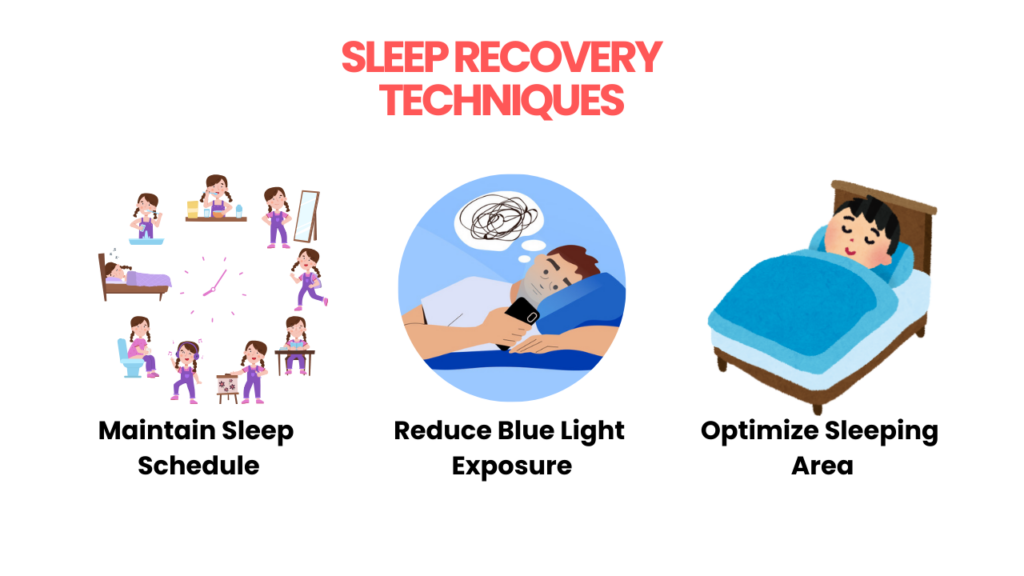
How Quality Sleep Boosts Fitness Recovery
Proper rest is not complete without an ideal 7 to 8 hours of sleep. Whether you work out or not, sleep is crucial to maintaining the internal body’s fitness. During deep and REM sleep stages your body can enter a state of recovery that cannot be achieved in any other way. During these phases, your body releases growth hormones that help repair muscle repair.
Tips to Improve Sleep Quality
- Maintain a Consistent Sleep Routine: Go to bed and wake up at the same time every day to control your circadian rhythm.
- Reduce Blue Light Exposure: stay away from your phone or TV as blue light makes it harder to fall asleep.
- Create a Relaxing Sleep Environment: Keep your bedroom cool, dark, and quiet.
Nutrition for Recovery
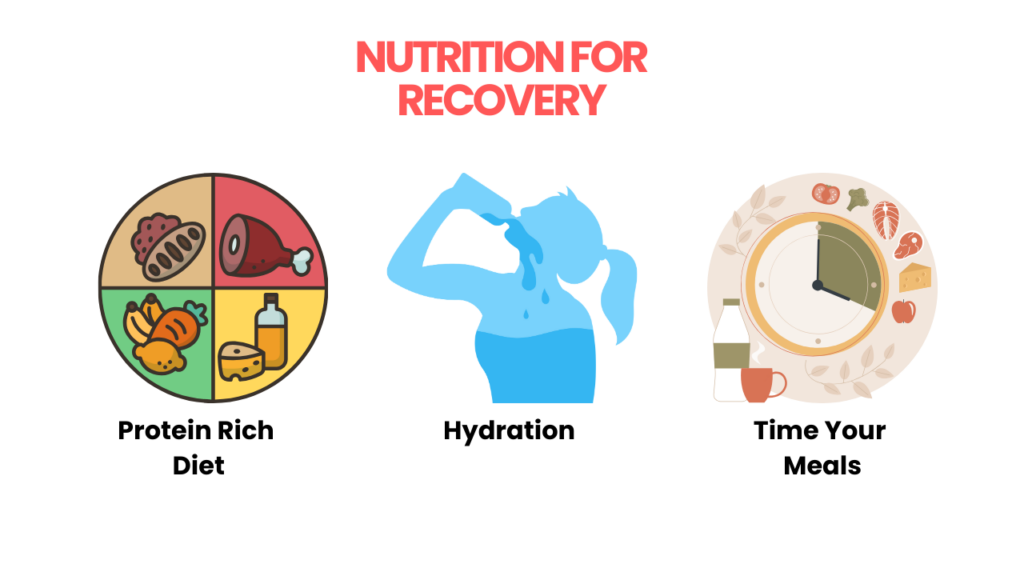
Essential Nutrients for Muscle Repair
Post-workout nutrition can go a long way in muscle repair. You get amino acids from protein that help build muscle tissue and carbohydrates restores glycogen stores to fuel workouts. Try to follow a diet that has a combination of protein and carbs after workouts to accelerate recovery and growth.
Hydration and Electrolytes
The importance of water in life especially during and after workouts cannot be overstated. Water helps transport nutrients to different parts of the body. Additionally, electrolytes like potassium, sodium, and magnesium can restore electrolytes lost through sweating. It helps balance fluids that can prevent muscle cramps.
Timing Your Meals for Optimal Recovery
Make it a habit to eat within 30 to 60 minutes after a workout to absorb the most nutrients. A balanced meal during this window can potentially speed up muscle repair exponentially.
Massage and Myofascial Release
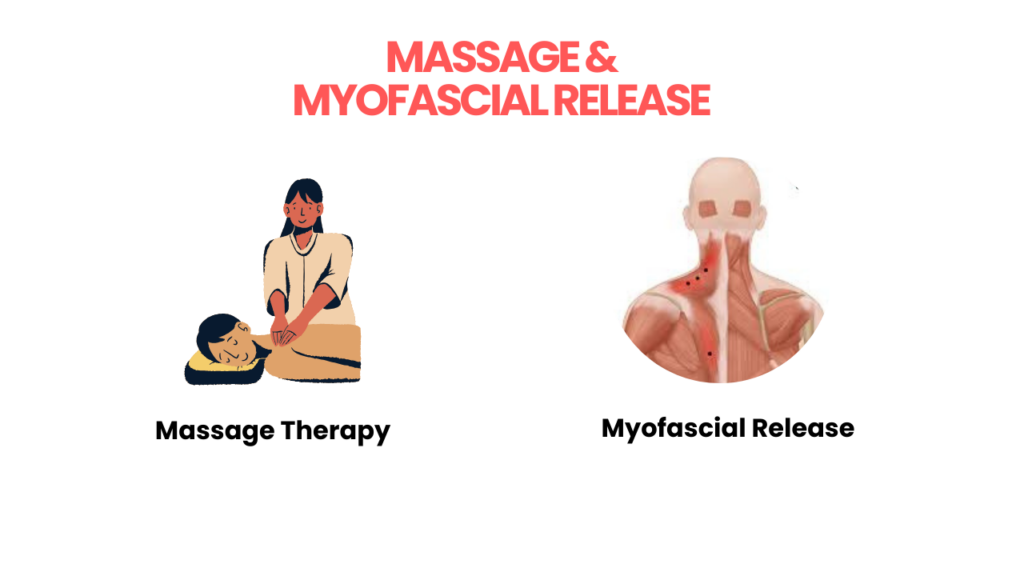
Benefits of Massage for Muscle Recovery
You will notice that many fitness geeks tend to get a massage after workouts. This is because massage therapy helps reduce lactic acid buildup. Through massages, you can reduce muscle stiffness to improve flexibility.
Self-Myofascial Release Techniques
You will notice that people use massage balls to free muscle knots to reduce tension. This is a popular self-myofascial release tool you can consider incorporating into your post-workout recovery routine. Roll it over sore areas to reduce tightness, improve blood flow, and reduce the risk of injury.
Cold and Heat Therapy
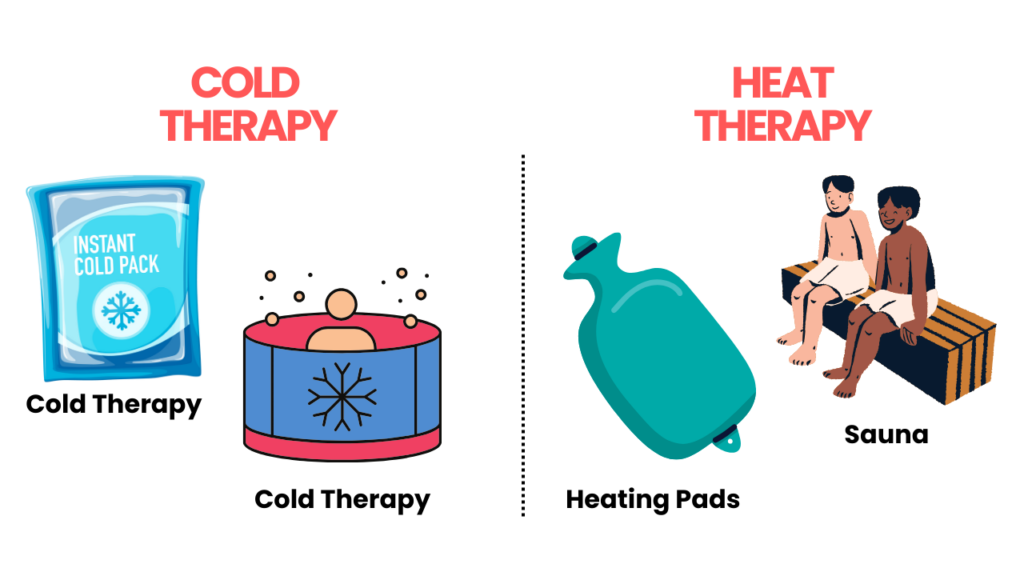
Cold Therapy (Cryotherapy)
Cold therapy includes ice baths, using cold packs, or other forms of cold exposure to reduce muscle soreness. The cold can help minimize swelling and muscle fatigue. Once you remove the cold stimulus, blood flow increases again delivering nutrients and oxygen for recovery.
Heat Therapy
Heat therapy on the other hand is done through methods like heating pads, saunas, or warm baths. This increases blood flow, relaxes muscles, and helps get rid of stiffness. Unlike cold therapy, the warmth dilates blood vessels to improve circulation and eventually lets nutrients flow to parts of the muscles for faster repair. However, only use heat therapy after low-intensity workouts.
Stretching
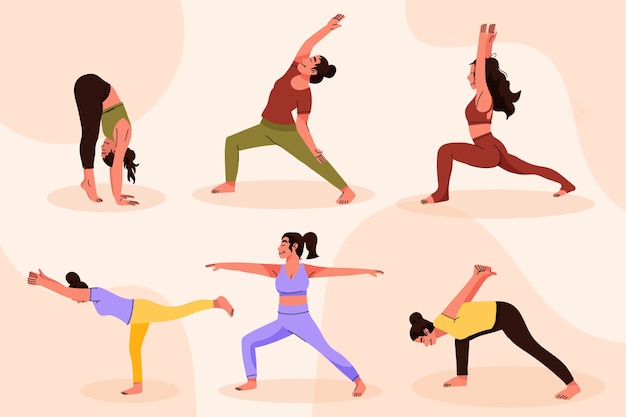
Static vs. Dynamic Stretching
Static stretching is the practice of holding a stretch for at least 15 to 60 seconds without movement. It stretches the muscles for better flexibility. Dynamic stretching on the other hand is more controlled stretches that warm up muscles. It is best suited to be done before high-intensity workouts.
Incorporating Mobility Work
Different stretches like hip openers, shoulder rotations, and ankle circles can further free the muscles and prepare them for workouts. The aim is to make them more mobile and make muscles functionally more active.
Compression Gear and Recovery
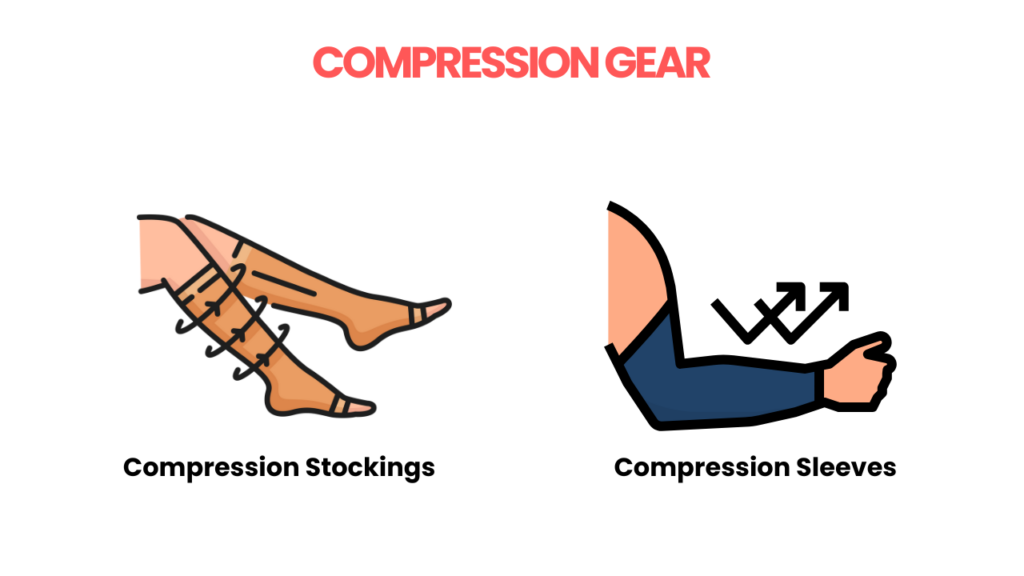
Compression clothing comes in the form of leggings, sleeves, and socks. They apply gentle pressure to muscles to improve blood flow and reduce muscle vibration during exercise. Compression garments may also help reduce swelling muscles after exercise.
When to Use Compression Gear for Maximum Benefit
Compression gear helps during exercise by stabilizing the muscles to reduce strain. In the case of a post-workout scenario, it enhances blood flow which is why many athletes use this after high-impact workouts.
Mental Recovery Techniques
Importance of Mental Recovery in Fitness
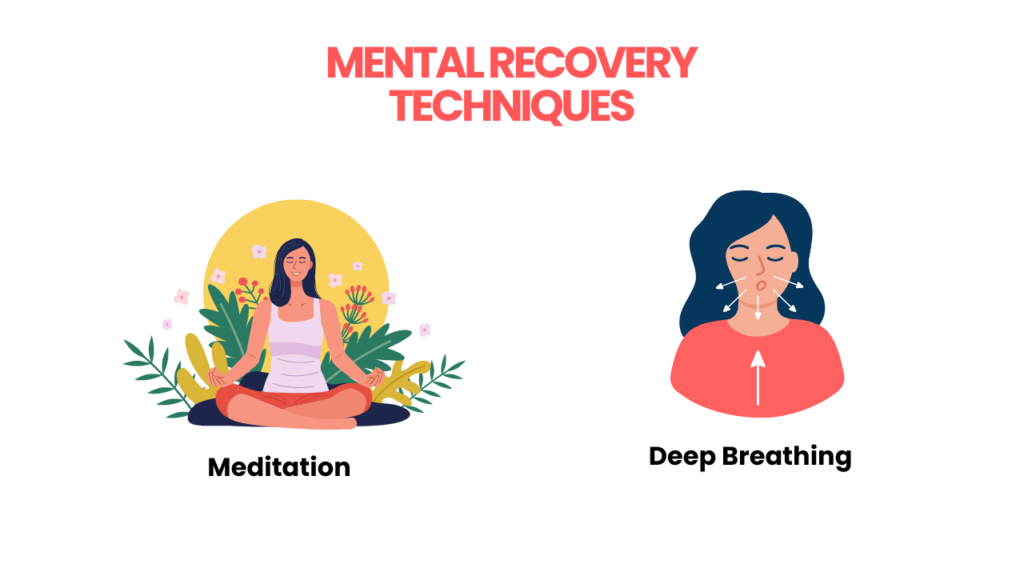
Mental recovery is often overlooked but it is a crucial aspect of sustaining workouts. When you are mentally strong you can hold focus, motivation, and resilience throughout. Inadequate sleep and a lack of nutrients can increase stress which can lead to injuries.
Techniques for Mental Recovery
- Breathing Exercises: Practicing deep diaphragmatic breathing to relax the body if you feel stressed.
- Meditation: Regular meditation in the form of yoga can also improve focus, and reduce anxiety.
Creating a Recovery Routine That Works for You
Personalizing Recovery Based on Workout Intensity
Different types of workouts can tax the body so your recovery routines should be personalized based on what you are doing. For example, strength training breaks down muscle fibers so try to include protein-rich meals and add rest days instead of low-intensity workouts. On the other hand, endurance workouts use up glycogen stores. To tackle this you can include carbs in your post-workout meal and light stretching.
Balancing Active and Passive Recovery
On days following intense sessions do active recovery exercises like light jogging, yoga, or stretching. However, make sure to keep rest days after high-intensity workouts. During this time you need to give your body enough time to heal and repair muscles.
Tracking and Measuring Recovery Progress
The best way to find out whether your hard work is working is by keeping track of recovery metrics. Heart Rate Variability (HRV) is one useful metric for monitoring recovery. Higher HRV means you are well recovered. Additionally, keep track of your sleep quality through a fitness watch for further insights into your body’s current state.
Frequently Asked Questions
How long should I rest after a workout?
It is best to give your body at least 48 hours of recovery time after strength training. Lighter activities can be done with a 24-hour rest period.
Is it okay to work out if I’m still sore?
Being sore does not necessarily mean you are injured. Your muscles are growing at this stage. You can aim for lighter activities or focus on a different muscle group.
What foods should I avoid for better recovery?
Food with high sugar, processed, and those high in unhealthy fats should be off your list to avoid. They almost always delay recovery. Alcohol also plays a big role in slowing down muscle repair and leads to poor sleep quality.
Can I skip stretching after a workout?
For light workouts, you can skip stretching but it is not ideal. Stretching loosens the muscles so that the strain put on them during a workout does not lead to injury of any intensity.
Conclusion
We cannot emphasize the importance of recovery after workouts enough. You may think it is not needed but doing them can reduce the risk of long-term injuries. It keeps you motivated, keeps the muscles injury-free, and helps you push on to improve gains!
- About the Author
- Latest Posts

Our Editorial Team are writers and experts in their field. Their views and opinions may not always be the views of Wellbeing Magazine. If you are under the direction of medical supervision please speak to your doctor or therapist before following the advice and recommendations in these articles.