Root canal therapy is a common dental procedure that can save a tooth from extraction. However, many people fear the procedure due to concerns about pain and discomfort. Fortunately, NYC dentists have developed various methods to ensure comfort during root canal therapy. Over the years, root canal therapy has evolved significantly.
Modern dentists now utilize advanced techniques, better tools, and effective pain management methods to make the experience as comfortable as possible. The primary goal of root canal therapy is to save your natural tooth while prioritizing your comfort throughout the entire process.
What Is Root Canal Therapy?
Root canal therapy is a dental procedure used to treat an infected or damaged tooth. Inside each tooth is a soft tissue called the pulp, which contains nerves and blood vessels. When this pulp becomes infected—usually due to deep decay, cracks, or trauma—it can cause intense pain and swelling.
During a root canal, the dentist removes the infected pulp, cleans the inside of the tooth, and seals it to prevent future problems. The goal is to save the tooth and eliminate pain.
How Does a NYC Dentist Make Sure Comfort During Root Canal Therapy?
Here are some ways a NYC dentist makes sure you’re comfortable during root canal therapy:
1. Gentle and Precise Diagnosis
Before anything begins, NYC dentists take time to understand your symptoms. They use digital X-rays and 3D imaging to see exactly what’s going on inside your tooth. This helps them plan the treatment carefully and avoid surprises.
A calm and clear explanation of the procedure helps reduce anxiety. A restorative Family Dentistry in Tribeca, New York City, focuses on patient education, so you’ll know what’s happening every step of the way. They’ll also prioritize your comfort throughout the procedure, regularly checking in with you to ensure you feel relaxed and informed.
2. Effective Local Anesthesia
One of the most important ways dentists keep you comfortable is by using local anesthesia. This numbs the area around the tooth so you don’t feel pain during the procedure. NYC endodontists (root canal specialists) are trained to administer anesthesia gently and precisely.
The numbing effect lasts for several hours, giving you time to recover without discomfort. Some dentists also offer topical numbing gel before the injection to make the process even smoother.
4. Advanced Technology and Tools
Modern root canal therapy uses high-tech tools that make the procedure faster and more precise. Microscopes, rotary instruments, and digital imaging help dentists clean the root canals thoroughly without damaging surrounding tissue.
This means less time in the chair and a smoother recovery. NYC restorative practices use these advanced technologies to ensure comfort and long-term success.
5. Comfortable Environment and Friendly Staff
Comfort isn’t just about pain relief—it’s also about how you feel during your visit. NYC dentists create relaxing environments with soft lighting, music, and even blankets or pillows. Friendly staff members greet you warmly and explain each step of the process.
This attention to detail helps patients feel safe and supported, especially during procedures like root canals that may cause anxiety.
6. Clear Communication and Follow-Up
After your root canal, your dentist will give you instructions for recovery. This may include:
- Taking over-the-counter pain relievers
- Avoiding hard foods for a few days
- Scheduling a follow-up visit to place a crown or permanent filling
NYC dentists often check in with patients after treatment to make sure everything is healing properly. If you have questions or concerns, they’re just a phone call away.
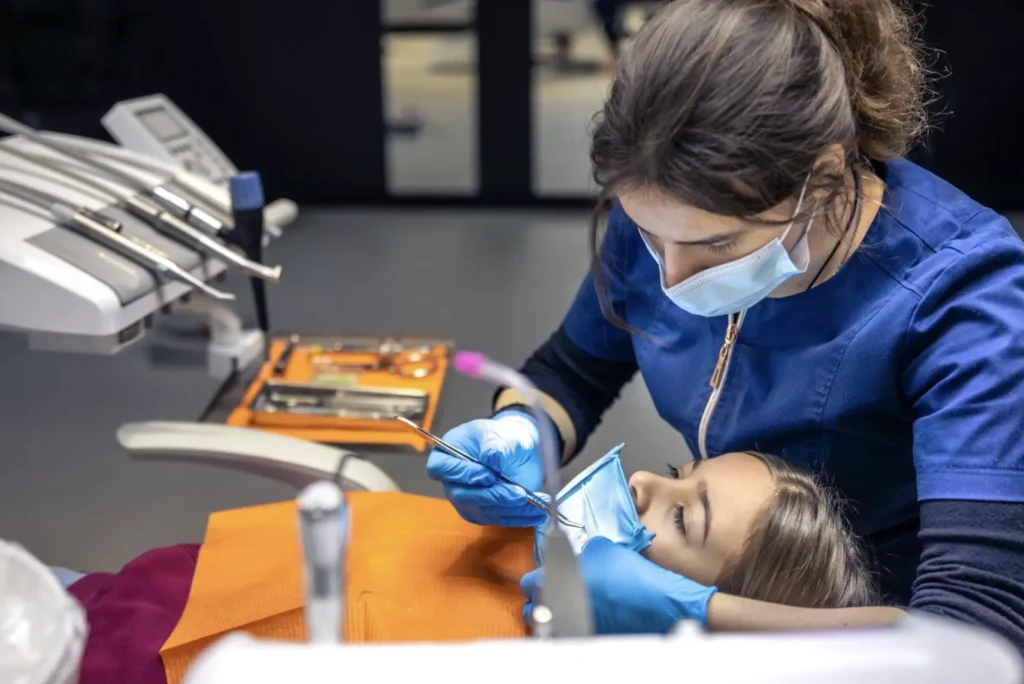
What Are the Best Practices for Recovering After a Root Canal
After your root canal therapy is complete, following proper recovery guidelines is essential for comfort and successful healing. Your dentist will provide personalized instructions, but general principles apply to most patients. Taking pain medication before anesthesia wears off can prevent discomfort from escalating. Avoid hard, chewy, or sticky foods to protect the treated tooth, and stick to soft alternatives.
Maintain gentle oral hygiene using a soft-bristle toothbrush, avoiding aggressive brushing near the area. If you notice unusual pain, swelling, or other symptoms, contact your dentist promptly to prevent complications and support smooth recovery.
Conclusion
The idea that a root canal has to be a painful and terrifying experience is completely outdated. Thanks to modern anesthetics, advanced technology, sedation options, and a true focus on patient comfort, a root canal is a straightforward and pain-free procedure. The treatment is not the cause of your pain; it is the cure for the terrible pain of a severe tooth infection.
If your dentist recommends a root canal, you can feel confident knowing that the procedure will relieve your suffering and save your natural smile.
FAQs
What are the benefits of root canal therapy?
Root canal therapy can provide relief from pain and discomfort, save the tooth from extraction, and prevent further infection.
How long does root canal therapy take?
The length of root canal therapy can vary depending on the complexity of the case and the number of teeth involved. Typically, root canal therapy can be completed in one or two appointments.
Can root canal therapy fail?
While root canal therapy is a highly successful procedure, there is a small chance of failure. If you experience any symptoms or concerns after root canal therapy, it’s essential to contact your dentist promptly.
- About the Author
- Latest Posts

Our Editorial Team are writers and experts in their field. Their views and opinions may not always be the views of Wellbeing Magazine. If you are under the direction of medical supervision please speak to your doctor or therapist before following the advice and recommendations in these articles.