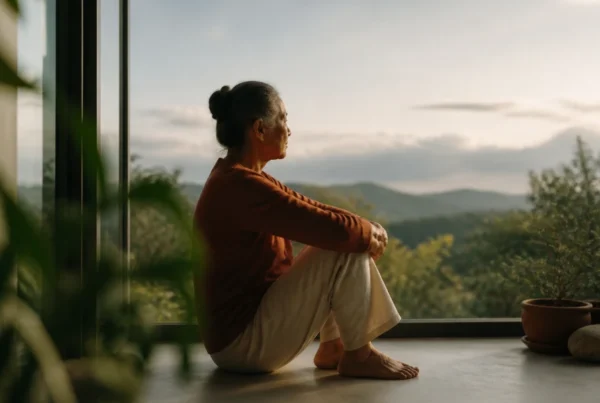
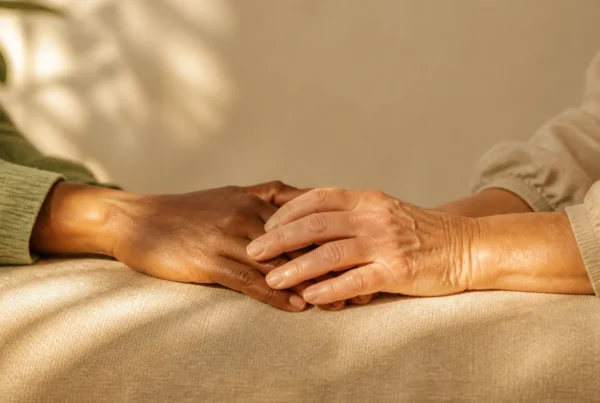
Recovering from emotional struggles is often thought of as something that happens only in the mind. People turn to counselling, journaling, or meditation to cope with grief, stress, or trauma. While these methods are valuable, the body plays an equally important role in how we heal emotionally. Whole-body wellness brings both mind and body together, creating a stronger foundation for recovery.
Why Whole-Body Wellness Matters
When people experience emotional pain, the body often reacts too. Stress can tighten muscles, grief may disturb sleep, and anxiety often leads to fatigue or digestive issues. These physical responses show how closely the body and emotions are linked. Ignoring the body while trying to recover emotionally may slow down progress. Whole-body wellness helps release the tension carried in the body so that the mind has more space to heal.
The Science Behind Mind-Body Healing
Modern research shows that physical activity, proper nutrition, and restful sleep have direct effects on emotional health. Exercise encourages the release of endorphins, chemicals that naturally improve mood. Eating balanced meals helps regulate hormones and energy levels, making it easier to handle stress. A consistent sleep routine allows the brain to process emotions more effectively. Together, these physical habits strengthen emotional resilience and make the journey to recovery smoother.
Tools That Encourage Emotional Healing
Different forms of care can support emotional recovery, and it often works best when mental and physical approaches are combined. Counselling sessions provide emotional healing support by giving people a safe space to explore their feelings and learn healthy coping skills. At the same time, therapies such as physiotherapy, massage, or guided exercise help release physical stress that builds up in the body.
Integrating both types of care creates a balanced approach. For example, a person dealing with grief may find comfort in talking with a counsellor while also easing muscle tension through gentle movement. Professional wellness centers, such as OAK Physio and Wellness, highlight this holistic approach by offering services that support both emotional and physical wellbeing.
Bringing Mind and Body Together
It is not enough to focus on one side of recovery. The mind and body work best when supported together. Regular movement, whether through exercise, yoga, or even daily walks, can ease emotional strain. Mindful breathing reduces stress while strengthening the connection between body and mind. When these physical practices are paired with counselling or therapy, the results are often stronger and longer-lasting.
Consistency is key. Healing does not happen overnight. By developing steady routines, individuals allow their bodies and emotions to adjust slowly and naturally. Small actions, repeated over time, create lasting changes that improve overall wellness.
Practical Steps for Readers
Emotional recovery can feel overwhelming, but simple steps can make it more manageable:
- Start with movement: Even a 20-minute walk each day helps release tension and improve mood.
- Pay attention to rest: Going to bed at the same time every night gives the mind a chance to recover.
- Choose nourishing foods: A balanced diet provides energy and supports emotional stability.
- Seek professional guidance: Counsellors, wellness coaches, or therapists can provide emotional healing support that is tailored to personal needs.
- Explore integrative care: Places like OAK Physio and Wellness encourage combining physical treatments with emotional care, making recovery more complete.
Conclusion
Whole-body wellness is not just a trend, it is a necessary part of emotional recovery. The body reflects what the mind feels, and the mind responds to the body’s state. By caring for both, individuals create a stronger path toward healing. Whether through counselling, physical therapy, or simple daily routines, the connection between body and mind is the foundation of long-term wellbeing.
Emotional recovery is never a quick fix, but with consistent care, support, and a holistic approach, the journey becomes more balanced and hopeful.
- About the Author
- Latest Posts

Our Editorial Team are writers and experts in their field. Their views and opinions may not always be the views of Wellbeing Magazine. If you are under the direction of medical supervision please speak to your doctor or therapist before following the advice and recommendations in these articles.