In a sunlit studio in downtown Portland, eight-year-old Maya sits before a canvas, her brush hovering uncertainly. She’s been struggling with anxiety since her parents’ divorce, finding it difficult to articulate the knot of emotions inside her. But as her therapist gently encourages her to “paint what the worry feels like,” something shifts. Dark purple swirls emerge, tangled with sharp red lines. For the first time in months, Maya has found a way to express what words couldn’t capture.
This scene plays out in therapy offices across the country as mental health professionals increasingly turn to art therapy to help people process emotions, reduce symptoms, and build coping skills. As anxiety and depression rates continue to climb, particularly among young people, therapists are discovering that paintbrushes, clay, sand, and colored pencils can be just as powerful as traditional talk therapy.
The Science Behind the Canvas
Art therapy works by engaging different parts of the brain than verbal communication. Dr. Sarah Chen, a licensed art therapist in Boston, explains that creating art activates the limbic system—the emotional center of the brain—while simultaneously engaging the prefrontal cortex responsible for problem-solving. “When someone is depressed or anxious, they’re often stuck in rumination cycles,” she notes. “Art interrupts those patterns and creates new neural pathways.”
Research supports this approach. Studies have shown that just 45 minutes of creative activity can significantly reduce cortisol levels, the body’s primary stress hormone. For children especially, who may lack the vocabulary to describe complex feelings, art provides a non-threatening medium for expression and healing.
Practical Applications in Treatment
Therapists use art interventions in remarkably specific ways. For adolescents with depression, creating “before and after” self-portraits can help them visualize their journey and recognize progress they might otherwise dismiss. Teens in group therapy settings often create collaborative murals, building connection and reducing the isolation that feeds depression.
One particularly effective technique involves “anxiety monsters”—having patients create visual representations of their anxiety as creatures or characters. Twelve-year-old Jackson, who experienced panic attacks before school, worked with his therapist to sculpt his anxiety as a small, jittery clay figure. Over several sessions, he modified the sculpture, making it smaller and less threatening. The physical act of reshaping the figure helped him internalize that his anxiety was something he could control and transform, not an overwhelming force.
For adults, mandala creation has proven especially beneficial. The repetitive, meditative process of coloring or drawing within circular patterns can induce a state similar to mindfulness meditation. Corporate lawyer Amanda started attending weekly art therapy sessions after experiencing burnout-related depression. “I spent an hour each week just creating patterns,” she recalls. “It was the only time my mind wasn’t racing through to-do lists or catastrophizing about work.”
Beyond Traditional Media
Contemporary art therapists also incorporate photography, digital art, and even video creation. Smartphone photography assignments—like documenting “three beautiful moments” each day—help depression patients retrain their attention toward positive experiences. For anxiety sufferers, creating comic strips about their worries can add distance and even humor to frightening thoughts.
Group art therapy has shown particular promise. In one community mental health center, adults with depression participate in weekly pottery classes. The tactile experience of working with clay, combined with the social connection of creating alongside others, addresses both the neurological and social dimensions of depression. Participants report that the sessions provide structure, purpose, and a sense of accomplishment—all elements that depression typically erodes.
The Space is Just as Important as the Practice
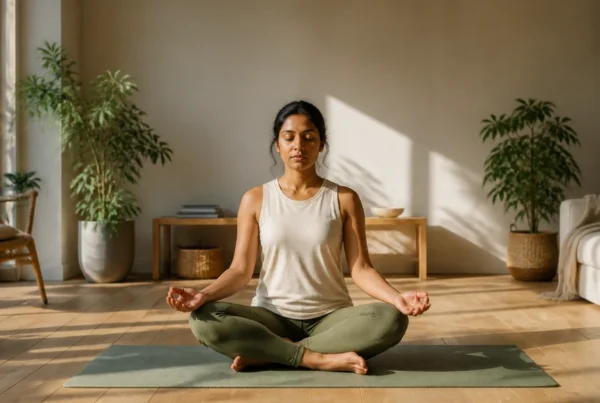
Where the art therapy actually takes place plays a crucial role in how effective it will be. Creating art in an overstimulated room could totally reverse the effectiveness of the treatment. A room with plants, inspiring quotes and art, as well as soft, comfortable furnishings is a great start.
Dr. Gina Innocente, an art therapist in South Jersey, has two spaces in her offices dedicated to just art and play therapies. These rooms are designed for kids (and adults) to draw, paint, or sculpt freely, without judgement, and with the freedom to explore their thoughts through art.
Dr. Innocente states, “We have a studio perfectly sized for art therapy and play therapy. It’s an ideal spot for kids to feel comfortable and be themselves.”
The Path Forward
What makes art therapy particularly valuable is its accessibility and non-threatening nature. Unlike talk therapy, which requires verbal facility and can feel confrontational, art offers a gentler entry point. Children who won’t discuss their feelings will readily draw them. Adults who intellectualize their emotions find themselves surprised by what emerges when they simply begin creating.
As mental health challenges continue to affect millions, art therapy represents an evidence-based complement to traditional treatments. Whether it’s a child painting purple storms, a teenager sculpting anxiety monsters, or an adult finding peace in mandalas, creative expression is opening new pathways to healing—one brushstroke at a time.
Image by Martina Bulková from Pixabay
- About the Author
- Latest Posts

Our Editorial Team are writers and experts in their field. Their views and opinions may not always be the views of Wellbeing Magazine. If you are under the direction of medical supervision please speak to your doctor or therapist before following the advice and recommendations in these articles.