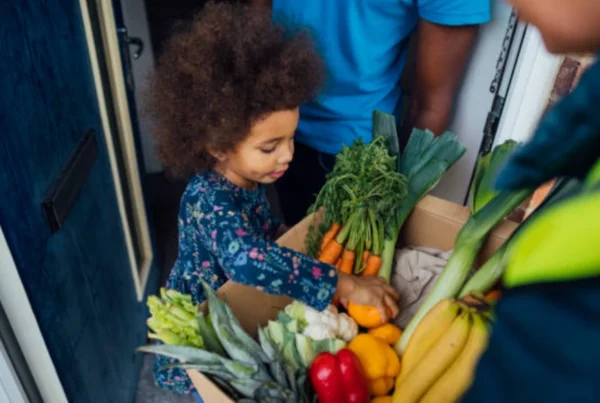
That moment when your baby finally sits up, grabs something off your plate, and shoves it straight into their mouth? It’s equal parts thrilling and terrifying. Most babies hit this stage around six months old. The tongue-thrust reflex fades, they can hold themselves upright, and suddenly they’re very interested in whatever you’re eating. Parents spend weeks prepping for this milestone, buying tiny spoons and silicone bibs, researching puree recipes, and snapping photos of those first messy attempts at real food. The internet is flooded with advice about which foods to introduce first, how to spot allergic reactions, and whether baby-led weaning is worth the cleanup. But here’s what often gets lost in all that excitement: not every baby food on the shelf has been through the same safety checks. And the stuff that slips through might surprise you.

The Heavy Metal Problem Nobody Talks About
Some companies now offer tested finger foods and publish their heavy metal results right there for anyone to see. Lead, arsenic, mercury, and cadmium. The whole periodic table’s least desirable elements. This transparency thing matters way more than you’d think. Back in 2019, nonprofit organization Healthy Babies Bright Futures tested 168 baby foods from major brands and found heavy metals in 95% of them. Not a typo. Ninety-five percent. One in four products contained all four toxic metals. The foods with the highest contamination risk? Rice-based products, sweet potatoes, and fruit juices. Basically, the stuff that ends up in every baby’s rotation at some point.
And before you say, “I’ll just make my own,” the organization’s follow-up study showed homemade versions weren’t much better. These elements exist naturally in soil and water. Decades of industrial pollution and agricultural runoff have embedded them into the environment. They end up in produce, whether it’s grown for a major brand or picked from your backyard garden. The contamination isn’t about lazy manufacturing or corner-cutting. It’s about the ground we’re all growing food in.
What the FDA Is Finally Doing About It
The FDA addressed this with their Closer to Zero program, launched in 2021 after a Congressional report put baby food companies on blast. The goal is to reduce dietary exposure to contaminants in foods to as low as possible over time. In January 2025, the agency released final guidance setting lead action levels for processed baby foods. According to the FDA’s guidance document, the thresholds break down as follows:
- 10 parts per billion (ppb) for fruits, vegetables (excluding single-ingredient root vegetables), mixtures (including grain- and meat-based mixtures), yogurts, custards/puddings, and single-ingredient meats
- 20 ppb for single-ingredient root vegetables
- 20 ppb for dry infant cereals
Root vegetables and cereals get higher thresholds because they naturally absorb more lead from the soil, and the FDA determined stricter limits would be difficult for manufacturers to achieve consistently.
Here’s the catch, though. These aren’t mandatory requirements (which feels like a missed opportunity). They’re action levels, meaning the FDA can consider a product adulterated if it exceeds these thresholds, but there’s no automatic enforcement mechanism. Companies aren’t legally required to test, and the guidance doesn’t cover infant formula, beverages, or snack foods like puffs and teething biscuits. So while it’s progress, it’s progress with some fairly large holes in it.
California’s AB 899 law, which took effect in January 2025, goes further by requiring baby food manufacturers to test for heavy metals and make those results public. That’s a meaningful step, but it only applies to products sold in California. Parents in other states are still largely relying on companies to do the right thing voluntarily.
Practical Steps You Can Take Today
What does this mean for you as a parent? A few practical things are worth building into your routine.
First, rotate foods. Don’t lean too hard on any single item, even if your baby would happily eat sweet potato puree for every meal until age three. The American Academy of Pediatrics pushes variety for good reason. Mix up your fruits, vegetables, grains, and proteins so exposure to any one contaminant stays low. Rice cereal used to be the default first food, but oatmeal, barley, and multigrain options are equally valid choices with lower arsenic risk.
Second, pay attention to which brands actually test and share their results. Some companies now include QR codes on packaging that link directly to batch-specific lab reports. Others work with registered dietitians to design nutritionally balanced meals that prioritize both safety and developmental needs. That level of openness and expertise tells you something about how seriously a brand takes this stuff. If a company is hiding behind vague language about “rigorous quality standards” without providing actual numbers or credentials, that’s worth noting.
Third, skip the guilt about not making everything from scratch. Your homemade puree faces the same contamination risks as anything store-bought. The metals are in the ingredients, not the factory. Focus your energy on variety and sourcing rather than blending everything yourself.
Even during major life transitions like a residential move, keeping these food safety habits consistent matters more than you might think. Stress and chaos make it tempting to grab whatever’s convenient, but that’s exactly when sticking to trusted brands and rotating through different foods pays off. Your baby’s developing brain doesn’t take a break just because you’re unpacking boxes.
Why Self-Feeding Raises the Stakes
There’s another angle worth considering if you’re doing baby-led weaning. When babies pick up food and feed themselves, they’re building motor coordination and learning to recognize fullness on their own terms. Studies suggest kids who self-feed early may become less picky eaters down the road because they’re exposed to different textures and flavors from the start. The AAP has said this approach doesn’t carry higher choking risks as long as you’re offering appropriate textures and sizes. Soft foods cut into manageable pieces, nothing round and hard, and the usual safety precautions.
But self-feeding does put more responsibility on parents to know exactly what’s going into those tiny hands and mouths. When you’re spooning puree, you control every bite. When your baby is grabbing handfuls of whatever’s on their tray, you need confidence that what’s there is actually safe. That’s where brand transparency becomes non-negotiable.
The Bottom Line
Starting solids shouldn’t fill you with dread. More brands are stepping up with real transparency about what’s in their products and what isn’t. The regulatory landscape is slowly catching up, even if it’s not moving as fast as parents might like. Pick companies that test voluntarily and publish the results. Look for meals designed by nutrition experts who understand what growing bodies actually need. Keep rotating through different foods so no single contaminant dominates your baby’s diet. And trust that awareness alone puts you ahead of where most parents were even five years ago.
Your baby’s first bites deserve that kind of attention. The good news is that paying attention has never been easier.
- About the Author
- Latest Posts

Our Editorial Team are writers and experts in their field. Their views and opinions may not always be the views of Wellbeing Magazine. If you are under the direction of medical supervision please speak to your doctor or therapist before following the advice and recommendations in these articles.