Recovering after a bicycle accident is a journey that includes caring for your physical injuries, protecting your legal rights, and nurturing your mental well-being. Whether you were clipped by a car, slid on gravel or fell into traffic, the weeks and months after the crash are important for healing safely and confidently getting back on your bike.
Seek Immediate Care and Documentation
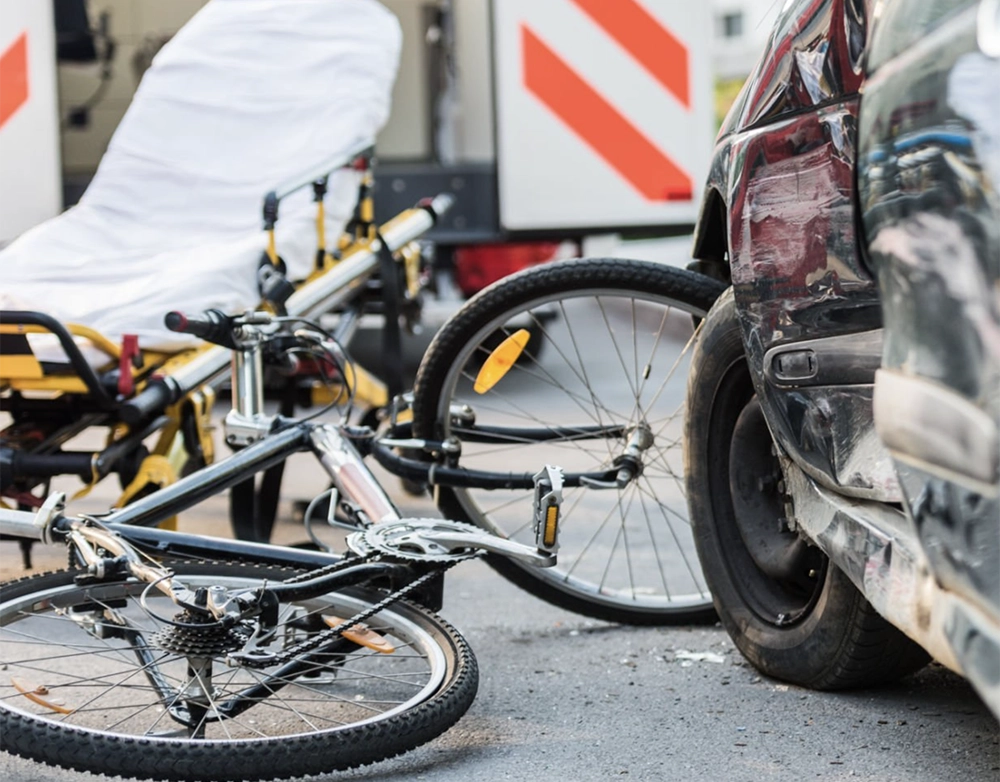
The first part of your recovery begins at the scene of the accident and there are important steps you should take immediately after an incident occurs. If you can, call 911 so emergency medical personnel can check for serious injuries, such as internal bleeding, concussions and fractures that might not be obvious right away. Even if you feel okay, you should go to the emergency room or see your doctor within 24 hours after the accident. It’s not uncommon for symptoms to show up later, even if you felt fine before.
After you’re medically cleared, ask for or file an official police report while details are still fresh. Photos of your bike, equipment, and injury sites can help show what happened. Keeping this documentation organized also helps you track your recovery and ensures your medical records reflect the full picture of the crash and treatment you received.
Follow Medical Advice
Once your injuries are diagnosed, follow the care plan your providers recommend. This may include rest, medications and referrals to specialists such as orthopedists or neurologists for more complex injuries. If you do require physical therapy, make it a priority. A licensed physical therapist can design exercises that help you rebuild strength, flexibility and movement safely as your body heals.
Physical therapy may feel challenging, but consistent effort can make a huge difference in your recovery. Progress at the pace your therapist sets and communicate openly about how you’re feeling and any limitations you have.
Eat Well and Rest
Your body needs more than just medical care to heal well. Eating a balanced diet that supports tissue repair and immune function can help. Nutrient dense foods that include lean proteins, whole grains, fruits and vegetables provide vitamins and minerals your muscles and bones need as they repair.
Sleep is another important part of healing. During deep sleep your body repairs damaged cells and produces hormones essential for tissue growth and immune function. Aim for at least seven to eight hours of sleep to support physical recovery.
Gradually Return to Movement
After a bicycle accident, it’s important not to rush back into intense activity too soon. Stepping back on the bike before your body is ready increases the risk of reinjury and possibly delay healing. Many doctors and physical therapists recommend starting with gentle movements like short walks, light cycling on a stationary bike and gentle stretching before progressing to longer rides.
Accept that your first rides back will be shorter and slower than before. Patience and consistency build back fitness without overwhelming your mind or body. Accepting where you are and progressing slowly helps you avoid setbacks while rebuilding confidence and fitness.
Address the Mental Side of Healing
Recovering from a bike accident isn’t just physical. It’s not uncommon to experience fear and nervousness when you think about returning to the road, especially if you suffered a traumatic injury. Talking with a counselor or joining a support group can help you process these emotions if they begin to hold you back. A therapist experienced in trauma recovery can offer strategies to work through fear and help you regain your confidence, which is an important part of physical healing.
Most riders can benefit from starting back in familiar and safe environments, such as quiet streets or taking group rides with trusted friends, before tackling traffic or long distances. Always listen to your body and take breaks when you need them.
Look Ahead with Confidence
Recovery after a bicycle accident is personal. It takes time and patience to heal fully. However, with immediate medical care and supporting your body with proper nutrition and rest, working with licensed medical professionals, you can return to riding stronger and more confident.
- About the Author
- Latest Posts

Our Editorial Team are writers and experts in their field. Their views and opinions may not always be the views of Wellbeing Magazine. If you are under the direction of medical supervision please speak to your doctor or therapist before following the advice and recommendations in these articles.