What Responsible Pet Ownership Really Looks Like at Every Stage of Their Life
From setting up a safe home environment to navigating end-of-life decisions, this guide walks through what genuinely caring for your dog or cat looks like…
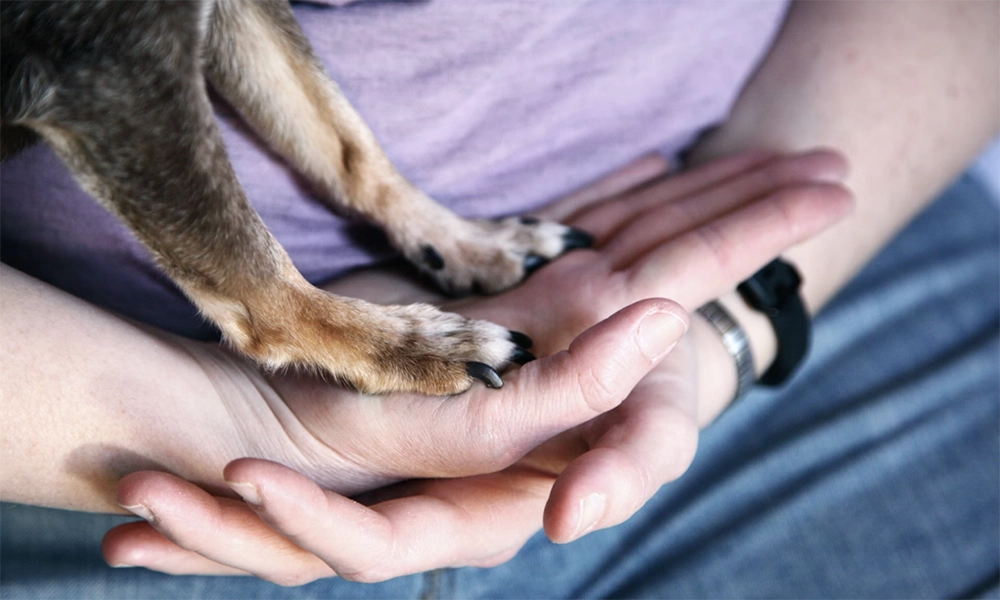
Getting a pet is one of those decisions that feels mostly exciting right up until the reality sets in. You pictured cosy evenings and happy walks. What nobody quite prepares you for is the full picture: the vet appointments, the grooming habits, the hard decisions, and everything in between.
Responsible ownership is not a single act. It is something you practise every single day, and it changes as your pet changes. Whether you have had animals your whole life or you are just starting out, understanding what your pet needs at each stage makes a genuine difference to their quality of life and to yours.
Source: Image
Laying the Right Foundation When You First Bring a Pet Home
Understanding What Your Pet Needs From Day One
The first few weeks with a new pet can feel overwhelming for both of you. Your dog or cat is adjusting to an entirely new environment, new smells, new sounds and new people. What they need most during this time is consistency.
Stick to a routine as early as possible. Feed at the same time each day, keep sleeping areas consistent and limit how many new experiences you introduce at once. This is not about being rigid. It is about giving your pet the predictability that helps them feel secure. Dogs in particular benefit from knowing where they stand. A clear daily structure reduces anxiety and makes training significantly easier. Cats tend to set their own pace during adjustment, which is worth respecting rather than rushing.
Setting Up a Space That Feels Safe and Settled
Where your pet sleeps and rests matters more than most people realise. A proper resting space supports physical health, reduces stress and gives your pet somewhere to retreat when they feel overstimulated.
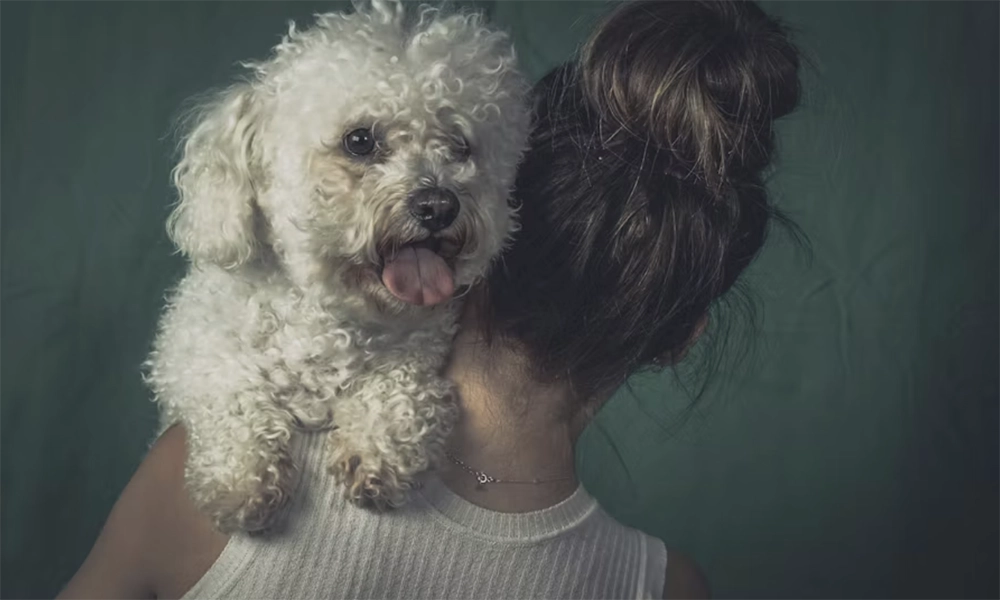
For dogs, this means more than a folded blanket in the corner. Choosing high quality dog beds that offer proper joint support can prevent long-term physical issues, particularly for larger breeds or active dogs who need good recovery between walks and play. Look for options suited to your dog's size, sleeping style and any existing health needs.
Source: Image
Cats prefer having choices: somewhere elevated, somewhere enclosed, and somewhere warm. Giving them options rather than assigning a single fixed spot tends to work far better.
Building a Grooming Routine That Actually Sticks
Why Cleanliness Goes Beyond Looking Good
Grooming is often treated as a purely cosmetic task, but it is genuinely about health. Regular cleaning prevents skin irritation, reduces allergens in the home and helps you catch any lumps, sores or coat changes before they develop into bigger problems. It also gives you regular physical contact with your pet, which strengthens your bond and makes them more comfortable being handled at the vet.
For dogs, grooming typically includes bathing, brushing, ear checks and paw care. The frequency depends on coat type and lifestyle. A dog that spends a lot of time outdoors will need more attention than one that rarely leaves the house.
Cats are largely self-grooming, but that does not mean they never need support. Senior cats, indoor cats and long-haired breeds in particular often benefit from regular intervention.
Making It Work for Both of You
The goal with any grooming routine is consistency, not perfection. Start with short sessions, use calm handling and pair the experience with something positive. Over time, most pets learn to tolerate it and some genuinely enjoy the attention.
For cat owners, full baths are rarely practical and often more stressful than they are worth. Between-wash upkeep is where most of the day-to-day work happens. The best cat cleaning wipes are a genuinely practical solution for routine hygiene, especially for older cats who have become less flexible, indoor cats who need regular freshening up, or any cat that simply resists water. They are quick, low-stress and effective for spot-cleaning without turning grooming into a battle.
Preventive Care and Knowing When to Call the Vet
Most pet owners visit the vet reactively. Something goes wrong, and then they go. Building a relationship with a vet before anything is wrong is one of the most useful things you can do for your pet's long-term health.
Annual wellness checks are a minimum for healthy adult pets. During these visits, your vet can catch early illness, update vaccinations and assess dental health and weight. Beyond scheduled appointments, get into the habit of doing informal checks at home. Note any changes in appetite, drinking habits, energy or behaviour. These are often the earliest signs that something needs attention. Pet insurance is also worth considering early, before any health issues arise, so you have options when it matters most.
Meeting Your Pet's Emotional and Social Needs
Physical care is only part of the picture. Pets have genuine emotional needs, and these shift as they move through different life stages.
Young dogs and cats need socialisation. Exposure to varied people, environments and experiences during early life builds confidence and prevents anxiety later. Adult pets need mental stimulation and real connection. Boredom often presents as destructive behaviour or withdrawal. Regular play, variety in walks and genuine daily interaction make a measurable difference. As pets age, their needs change again. Older animals often become more attached to routine and human closeness. Meeting them where they are, rather than expecting them to keep pace with their younger selves, is what good ownership looks like at this stage.
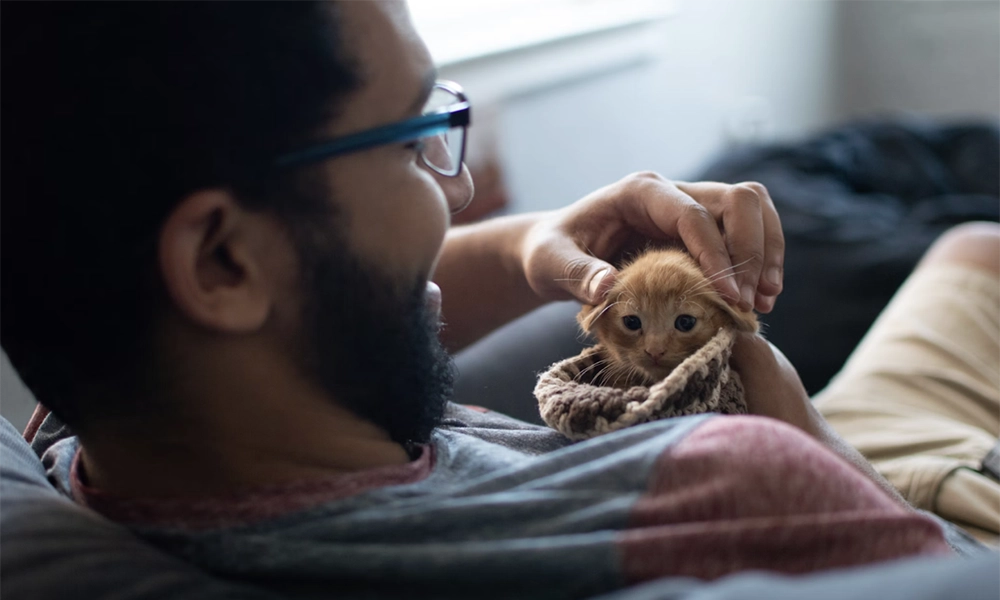
It is also worth remembering that your own emotional state directly affects your pet. Animals are sensitive to the moods and energy of the people around them. Taking care of yourself is not separate from taking care of your pet. If you are feeling stretched or overwhelmed, the Wellbeing Magazine guide on looking after your emotional health offers practical ways to support yourself so you can show up better for the animals in your care.
Source: Image
Supporting Your Pet Through Their Senior Years and Knowing When to Let Go
How a Pet's Needs Change as They Get Older
Senior pets need more from you, not less. Mobility slows, sleep increases and health issues become more frequent. Small adjustments at home can significantly improve their comfort. Review their sleeping setup, ensure food and water are easily accessible and reduce the need to climb or jump if it has become difficult for them.
Pain in older pets is often underdiagnosed because they mask it well. Subtle changes in movement, posture or daily behaviour are always worth raising with your vet, even if they seem minor at first.
Making Compassionate Decisions at the End of a Pet's Life
This is the conversation most owners hope to avoid, but having it before you are in crisis makes it far more manageable. Euthanasia is not a failure of ownership. For many pets, it is the kindest possible ending when quality of life has genuinely declined. Vets assess this across several markers including pain levels, appetite, mobility and whether your pet is still experiencing moments of comfort.
Talking openly with your vet, understanding what the process involves and knowing the practical side in advance removes at least some of the weight from an already emotional time. For pet owners in Queensland, having a clear idea of the dog euthanasia cost in Brisbane ahead of time helps with planning and means one less thing to navigate when you are already under pressure.
Conclusion
Responsible pet ownership is not about doing everything perfectly. It is about showing up consistently, adapting as your pet's needs evolve and asking for help when you need it.
From that first unsettled week at home to the quieter, slower pace of their senior years, what your pet needs most is an owner who is paying attention. The practical decisions all add up. But so does simply being present, day after day, for every stage of their life.
FAQs
At what age is a pet considered a senior?
Most dogs reach senior status around seven years old, though larger breeds tend to age faster. Cats generally become seniors at around ten years of age. Your vet can give a more tailored answer based on your pet's specific breed and health history.
How often should a healthy pet visit the vet?
A once-yearly wellness check is a good baseline for healthy adult pets. Senior pets benefit from twice-yearly visits so age-related changes can be caught earlier. If anything seems off between scheduled appointments, do not wait.
Is pet insurance worth getting?
For most owners, yes. The real value of insurance lies in having options when something unexpected happens. Taking out cover while your pet is young and healthy means existing conditions are far less likely to affect what is covered later.
How do you know when it is time to consider euthanasia for my pet?
There is no single answer, and it is one of the hardest decisions a pet owner faces. Most vets use quality of life assessments covering pain, appetite, mobility and whether your pet is still experiencing good days. An honest, ongoing conversation with your vet is the most reliable guide you can have.
Filed underSleep