Working out at home has changed from a temporary fix during lockdowns to a normal part of how people stay healthy. Millions of people now choose home workouts over gym memberships. Home fitness has become a key part of a healthy lifestyle because it makes exercise easier to fit into your day while saving you time and money.
You might wonder why so many people are choosing to work out at home instead of going to the gym. The answer is simple. Home workouts give you the freedom to exercise when it fits your schedule, without dealing with commute time or waiting for equipment.
This shift to home fitness isn’t just about convenience. It’s about making healthy habits stick. When exercise is easy to start and fits into your daily routine, you’re more likely to keep doing it. Let’s look at why home fitness has grown so popular and how it helps you live a healthier life.
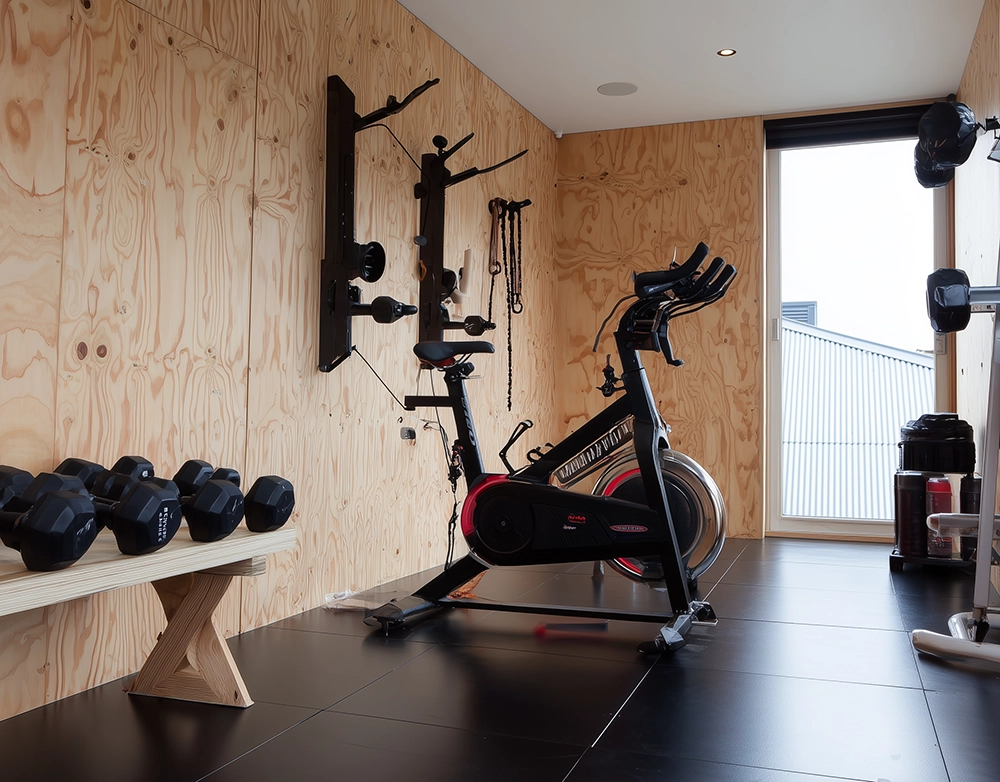
The Rise of Home Fitness
Home fitness has grown from a convenient backup option into a main way people exercise. More individuals now prefer working out at home because it fits better with their schedules, costs less money, and gives them access to new technology that makes exercise easier.
Shifting Trends in Exercise Habits
Your workout habits have likely changed over the past few years. Since 2020, there’s been a 50% increase in people choosing to exercise at home instead of going to gyms.
What started during gym closures has turned into a long-term choice. You might have noticed that working out at home removes common barriers like commuting time and waiting for equipment.
People now see home fitness as a lifestyle shift rather than a temporary solution. You can exercise whenever it fits your schedule, whether that’s early morning or late at night. This flexibility helps you stay consistent with your workouts.
The trend keeps growing as more people discover they can get the same results at home. You don’t need to plan your day around gym hours or feel uncomfortable in crowded spaces.
Impact of Technology on Home Workouts
Technology has made home workouts much more effective for you. Smart fitness equipment now tracks your progress and adjusts to your fitness level automatically.
You can access thousands of workout videos and live classes through apps and streaming services. These platforms offer everything from yoga to strength training, often for less than the cost of a single gym membership.
Fitness trackers and smartwatches help you monitor your heart rate, calories burned, and workout intensity. This data lets you see real improvements over time and stay motivated.
Virtual trainers guide you through proper form and technique. You get personalized workout plans based on your goals without paying for expensive one-on-one sessions.
Benefits Over Traditional Gym Memberships
Your home gym saves you money in the long run. A gym membership costs between $30-$100 per month, which adds up to $360-$1,200 per year. Basic home equipment might cost $300-$1,000 upfront but lasts for years.
You save time by eliminating travel to and from the gym. The average person spends 30-45 minutes commuting to workout facilities, which adds up to hours each week.
Key advantages you get with home fitness:
- Work out any time without operating hour restrictions
- No waiting for equipment or dealing with crowds
- Exercise in comfortable clothing without worrying about appearance
- Better hygiene control in your personal space
- Family members can use the same equipment
Your home workout space stays private and clean. You control the temperature, music, and environment to match your preferences exactly.
How Home Fitness Supports a Healthy Lifestyle
Working out at home removes common barriers to staying active while giving you more control over when and how you exercise. This approach fits into different schedules and preferences, making it easier to stick with fitness long-term.
Convenience for Busy Lifestyles
You can start a workout the moment you have free time without driving anywhere or waiting for equipment. This saves you at least 30 minutes of commuting and preparation time that would normally go into a gym visit.
Your home setup lets you exercise early in the morning, during lunch breaks, or late at night. You don’t need to plan around gym hours or class schedules.
Parents can work out while children nap or play nearby. People with demanding jobs can fit in quick 15-minute sessions between meetings. This flexibility means you’re more likely to exercise consistently instead of skipping workouts due to time constraints.
Improved Motivation and Accountability
You control your workout environment completely, which helps you stay focused on your goals. There’s no pressure from other people watching you or comparing yourself to others in a class setting.
Online fitness communities connect you with people who share similar goals. You can join groups, share progress, and get encouragement from others working out at home. Many apps and programs include tracking features that show your improvements over time.
The money you save by not paying for gym memberships can go toward equipment or programs you actually enjoy using. This investment in your own space creates a stronger commitment to your fitness routine.
Greater Flexibility and Personalization
You can build a workout plan that matches your specific fitness level and health goals. Want to focus on strength training? Set up a corner with weights. Prefer yoga and stretching? Create a calm space with mats and props.
Your routine adapts to your changing needs without penalties or schedule conflicts. If you feel tired, you can switch to lighter activity. If you have extra energy, you can push harder without waiting for the right class to become available.
You choose the music, temperature, and pace of every session. This level of customization helps you find activities you genuinely enjoy, which is the most important factor in maintaining a long-term fitness habit.
- About the Author
- Latest Posts

Our Editorial Team are writers and experts in their field. Their views and opinions may not always be the views of Wellbeing Magazine. If you are under the direction of medical supervision please speak to your doctor or therapist before following the advice and recommendations in these articles.