Scotland seldom does anything twice. The landscape, mood, colour and rhythm change slightly with each month so that visitors would find very different impressions at different times. A village by the sea in April is not the same as that harbour in October, and a street in a city in July has a very different energy from a street in January.
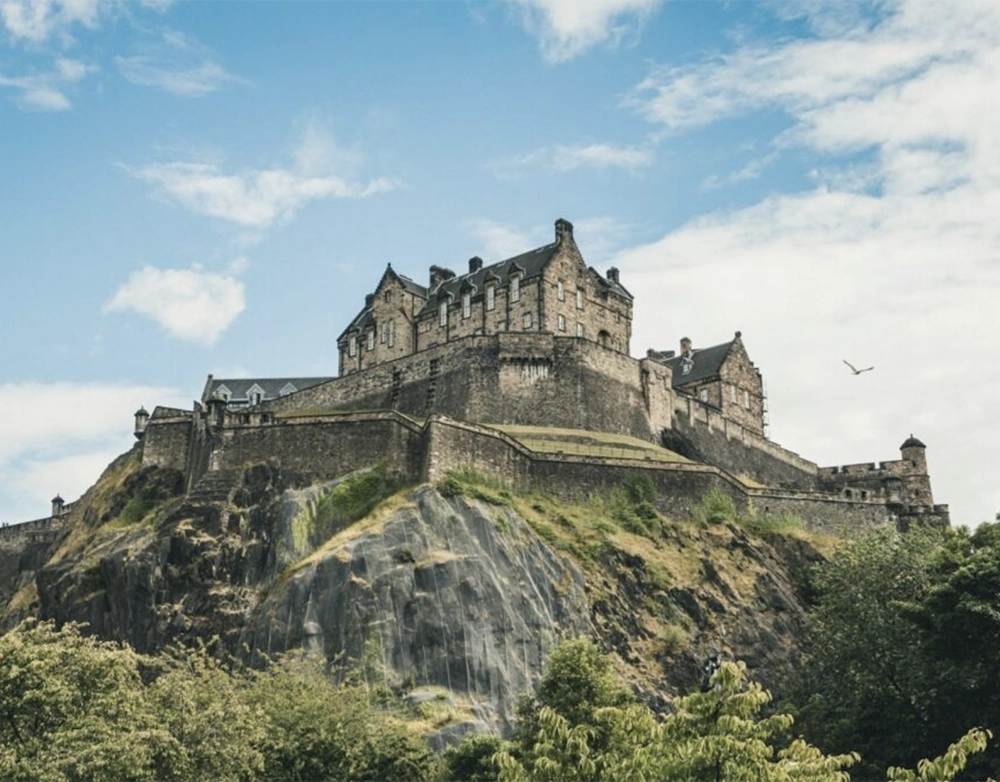
Planning is important, as climate, daylight, local time keeping, and travelling expenses vary according to seasons. People planning spring breaks could get attractive hotel deals in Edinburgh during off-peak weeks, while winter explorers prioritise atmosphere rather than distance covered. Knowledge of each period enables travellers to align destinations with their expectations, rather than with surprises.
Spring Awakening Across the Lowlands and Islands
When winter releases its hold, the countryside is transformed by new vegetation. New greenery appears on hillsides, lambs emerge in broad fields, and gardens throughout the Lowlands regain their colour. Walking routes and historical sites are made comfortable by the mild temperatures and significant daylight extension.
During this stage, island communities feel especially welcoming. Photography is more relaxed in Skye, Mull, and Arran because of their magnificent scenery as well as low visitor traffic. Seabirds are returning to their nesting areas along cliffs and shorelines, contributing to an increase in wildlife activity.
Festivals and Cultural Renewal
After slower months, cultural calendars resume. Local culinary festivals and music events start to appear; these are frequently based on local customs rather than an influx of tourists. Smaller communities hold intimate gatherings that give tourists a better understanding of Scottish daily life.
Summer Energy in Cities and Highlands
All around the nation, summer is defined by long days. In the north, twilight lasts well into the evening, making it possible to explore for a long time without hurrying. While distant landscapes become more accessible due to better weather, urban centres are bustling with street activities, markets, and performances.
Hikers and cyclists who are looking for tough terrain and panoramic views are drawn to highland routes. Rainfall is still likely, but now is the ideal time of year for outdoor activities. Particularly close to national parks and coastal areas, lodging fills up rapidly.
Navigating Peak Season Crowds
Preparation is a way of coping in a busier time. Morning trips mean fewer crowds at familiar attractions, and smaller glens and villages are a reward to those who choose to explore beyond the guidebook attractions. Travel and accommodation reservations help to ease the pressure during this busy period.
Autumn Colours and Coastal Calm
A slower pace is introduced in the autumn. Forests change into rich tones of copper and amber, producing dramatic contrasts with mountains and lochs. Walking is still enjoyable despite the slight reduction in temperature, particularly on rural estates and wooded paths.
Once summer throngs have subsided, coastal regions are once again peaceful. Local cafes and galleries provide places to hang out, while fishing towns have a relaxed vibe. Around the nation, menus are influenced by harvest produce during this season, which highlights culinary experiences.
Seasonal Flavours and Traditions
Agricultural cycles are reflected in the prevalence of game meals, root vegetables, and hearty sweets. Whisky regions grow more alluring as distilleries become less congested and landscapes shine in the lower sunlight.
Winter Atmosphere and Northern Adventures
Scotland becomes calmer and more contemplative throughout the winter. Higher ground is frequently covered in snow, particularly in the Cairngorms, which draws skiers and fans of snow sports. In other places, clear air sharpens views and lends historic sites more drama.
Cities acquire a distinct charm. Shorter days promote evening events, comfortable dining establishments, and museum visits. The festive season brings lights and celebrations, whereas January provides a calmer reset for those seeking reflection rather than excitement.
Embracing Short Days and Long Nights
Adjusting plans assists in maximising pleasure. Mornings with darker skies are better suited to starting late, whereas evenings are better suited to the theatre, telling stories, or taking walks under clear skies. Northern destinations even occasionally repay patience with sightings of aurora activity.
Choosing the Right Season for Your Journey
Instead of a clear champion, each season delivers unique benefits. Autumn appeals to individuals seeking colour and peacefulness, winter draws tourists drawn to atmosphere and seclusion, spring is ideal for nature lovers and photographers, while summer is good for festival attendees and outdoor enthusiasts.
Visitors who match expectations with timing are welcomed with open arms in Scotland. Journeys become richer, more pleasant, and far more memorable when interests are matched with seasonal character.
- About the Author
- Latest Posts

Our Editorial Team are writers and experts in their field. Their views and opinions may not always be the views of Wellbeing Magazine. If you are under the direction of medical supervision please speak to your doctor or therapist before following the advice and recommendations in these articles.