Longevity in Wellness: Living Well to 100 vs “Don’t Die”
Longevity has become the wellness industry’s new obsession. It is a word now threaded through conversations about nutrition, recovery, biomarkers, nervous…
A Turkish Longevity Escape That Asked Bigger Questions About How We Age
Longevity has become the wellness industry’s new obsession. It is a word now threaded through conversations about nutrition, recovery, biomarkers, nervous system regulation and future health technologies. Once confined to laboratories, elite athletes and Silicon Valley futurists, longevity has become part of the mainstream wellbeing narrative. Yet beneath the trend lies an interesting divide, and there seem to be two dominant schools of thought emerging.
What are the two approaches to longevity?
On one side is the philosophy inspired by the world’s Blue Zone communities — those places where people live long, healthy lives not through optimisation protocols but through simple, meaningful habits rooted in food, movement, purpose and community. This is the “live well to 100” philosophy, less concerned with extending life at any cost and more interested in preserving vitality, joy and connection as we age. On the other side is the more technological, disruptive idea championed by biohackers such as Bryan Johnson, whose now famous phrase “Don’t Die” frames longevity almost as a system to outsmart biological decline. Here, ageing becomes something to track, manage and perhaps one day overcome.
Can you combine lifestyle and biohacking for longevity?
I find myself somewhere between the two. I am deeply drawn to the notion of living well — of embracing pleasure, community, nature, dancing under stars, slow meals with friends and the kind of laughter that seems to add years to life. But I am also fascinated by the possibilities of technology to help us understand and support our health more intelligently. If innovations in recovery, sleep, inflammation reduction and mental fitness can help us feel and function better, why would we not be curious?
Why visit Regnum The Crown for a longevity experience?
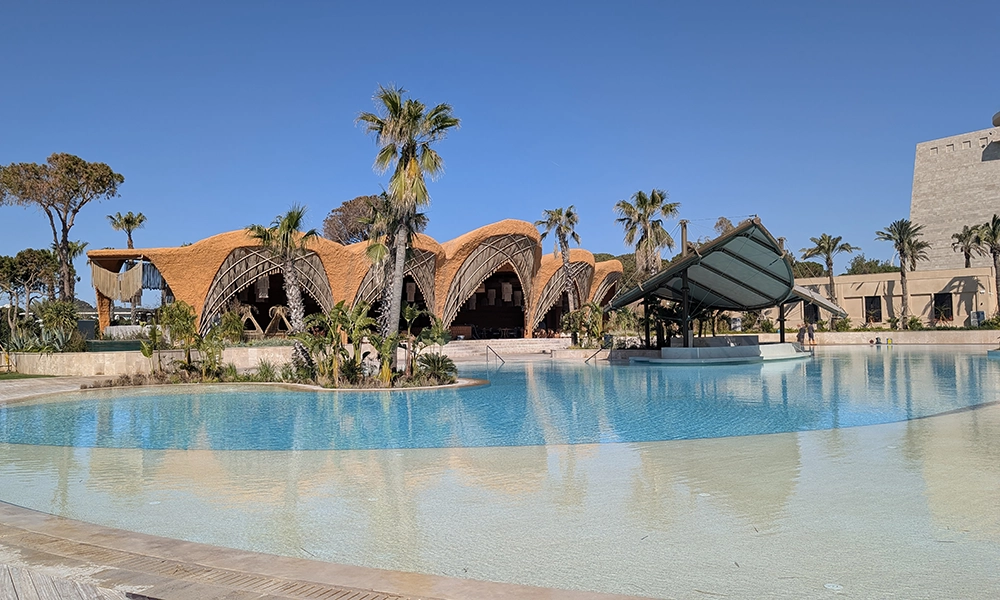
That is why, when I had the opportunity to experience a longevity-focused long weekend at Regnum The Crown, I did not hesitate. The timing felt perfect, as it was an out-of-season visit, which for me has become one of the great luxuries of travel. There is something profoundly restorative about travelling when destinations are quieter, when the weather is still warm but the atmosphere has softened. Pools are calmer, restaurants more relaxed, and there is a spaciousness that allows the nervous system to exhale. Rest, after all, often requires not just beautiful surroundings but the absence of overstimulation.
Why is Turkey a growing wellness destination?
Turkey continues to deepen its hold on me as a destination. There is a warmth in the hospitality that feels genuine, a richness in the food, a generosity in the culture and a landscape that moves effortlessly between mountains, sea and ancient history. Increasingly, it is becoming a serious destination for luxury wellness.
What is the experience like at Regnum The Crown?
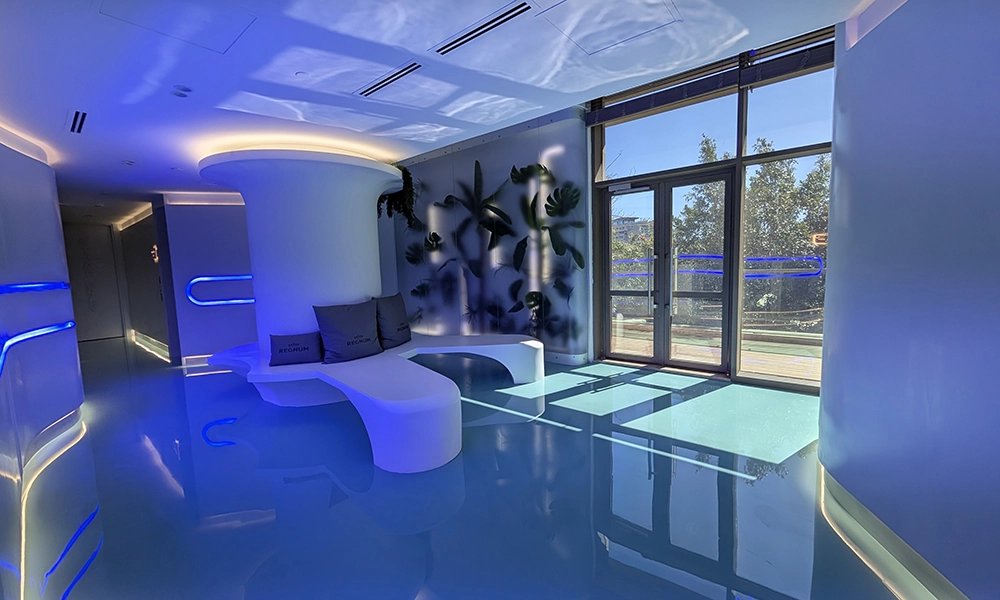
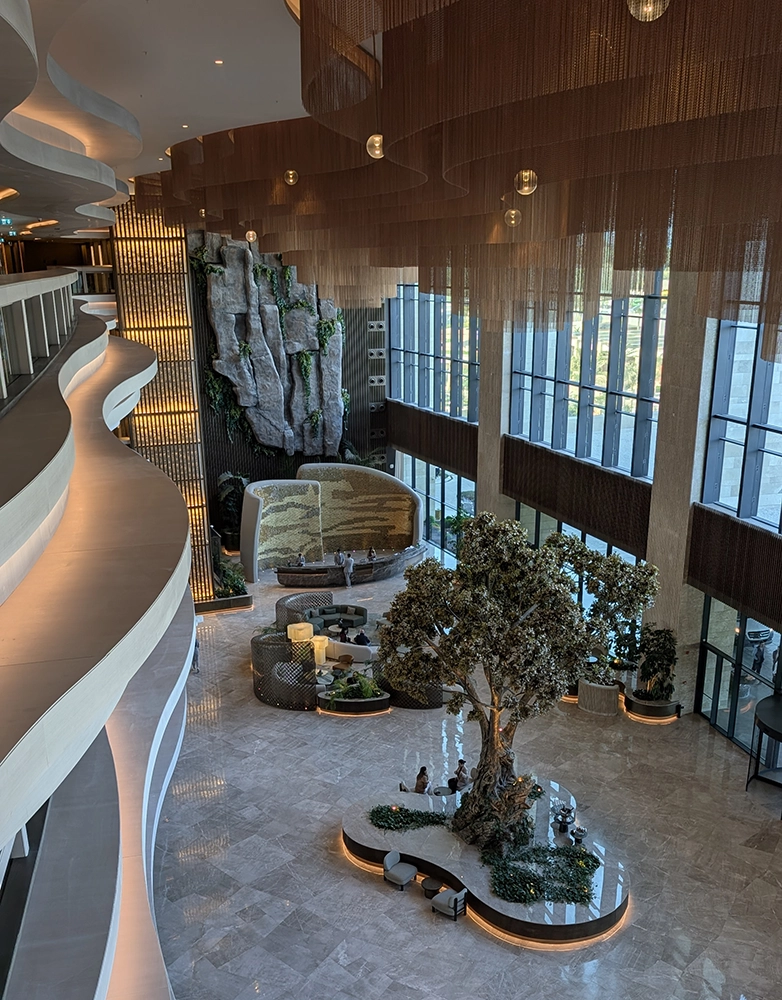
Arriving at Regnum The Crown was an experience in itself. The reception space was extraordinary, with architecture and materials that felt almost otherworldly — as though stepping into one of those hyper-real conceptual worlds generated by AI, except softened by texture, light and calm. Walking through the corridors to my suite felt like a journey into another realm of comfort. The room itself was expansive and beautifully considered, with vast dressing areas, elegant furnishings and a bathroom so large it dwarfed my living room at home.
I could easily have spent the weekend doing nothing more than moving between the suite, the pools and the various relaxation spaces, sipping Turkish coffee at one of the cafés dotted around the resort and considering that alone a longevity intervention. But the purpose of the trip was to explore the hotel’s advanced wellness technologies, so I headed to Revive Wellbeing & Spa.
What makes Revive Wellbeing & Spa unique?
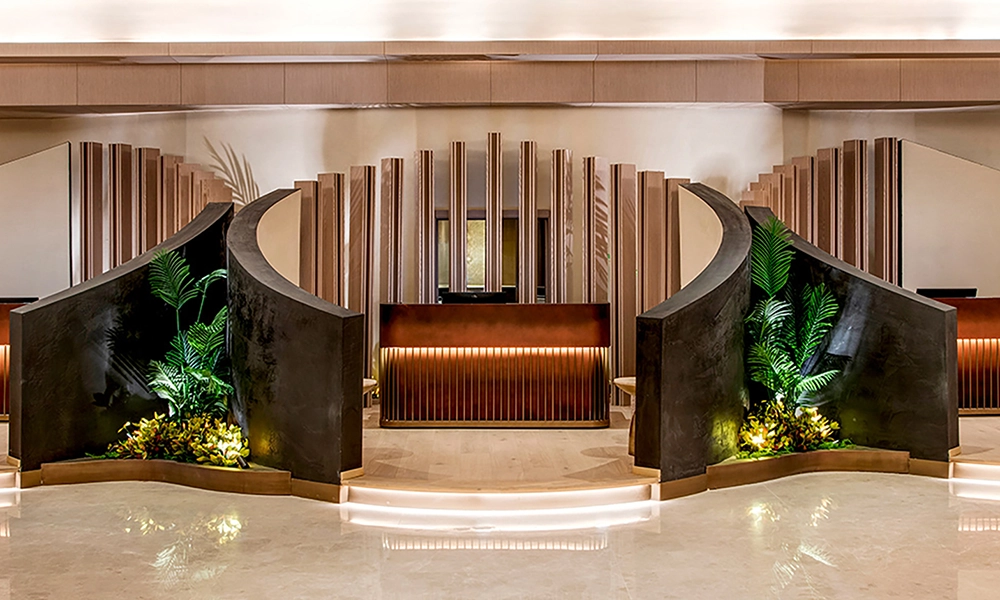
What impressed me immediately was the philosophy underpinning the spa. It did not approach wellbeing as something to fix, but as quality time intentionally given back to oneself. In a culture obsessed with productivity and self-improvement, there is something radical in spaces that allow the body to rest as it is.
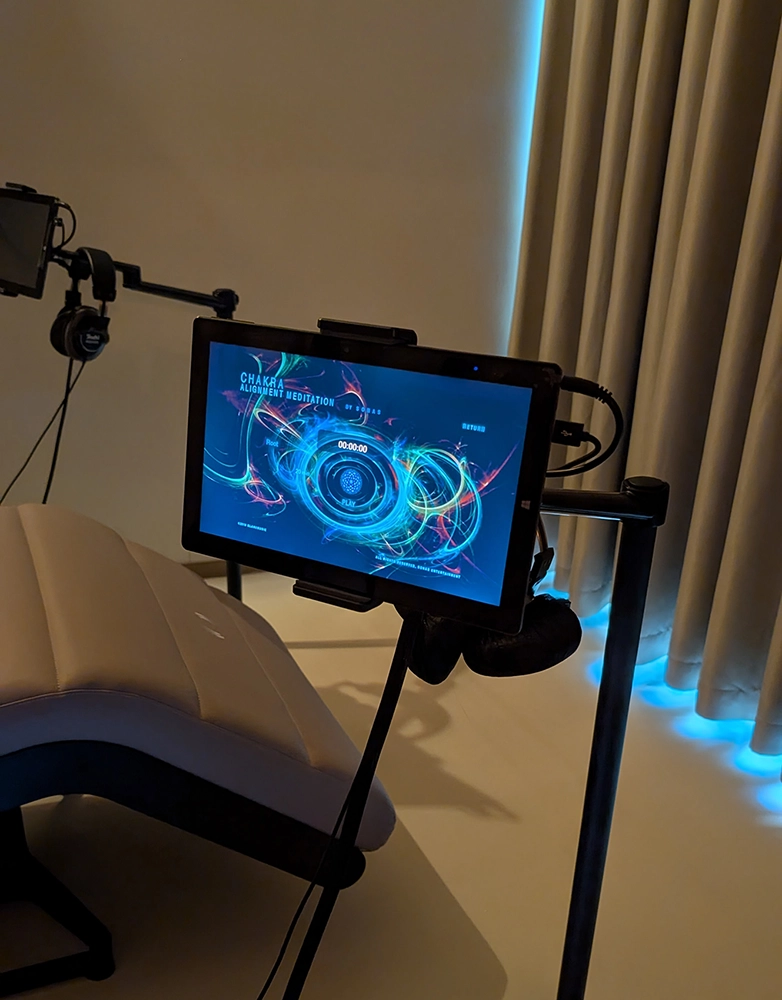
The thermal areas, pools and private suites were beautifully designed, but it was the integration of next-generation technology that made the experience especially compelling. One of the highlights was trying RLX BrainGym™ by Gharieni Group. More than a relaxation lounger, it is designed as a form of mental fitness, using vibroacoustic frequencies, tactile sound and brain-entrainment audio to support cognitive reset, emotional regulation and deep recovery. It felt immersive and profound, as though the nervous system itself was being guided into a different state, reinforcing the idea that longevity is also about sustaining clarity, resilience and mental vitality.
What treatments are available at Regnum Carya Longevity Centre?
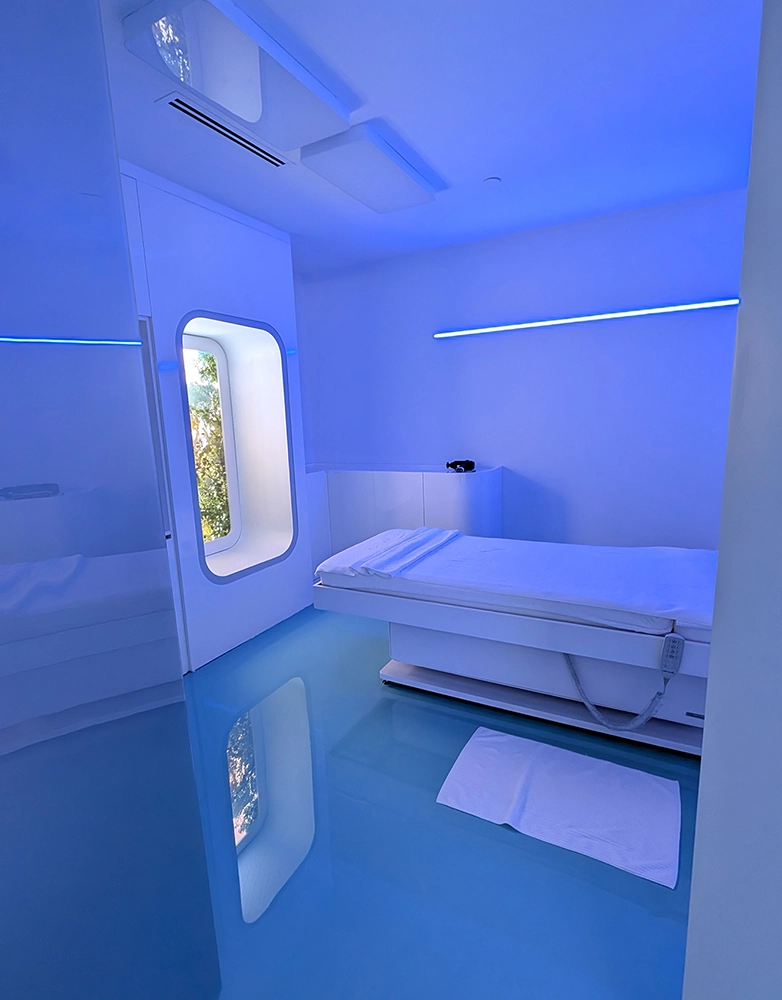
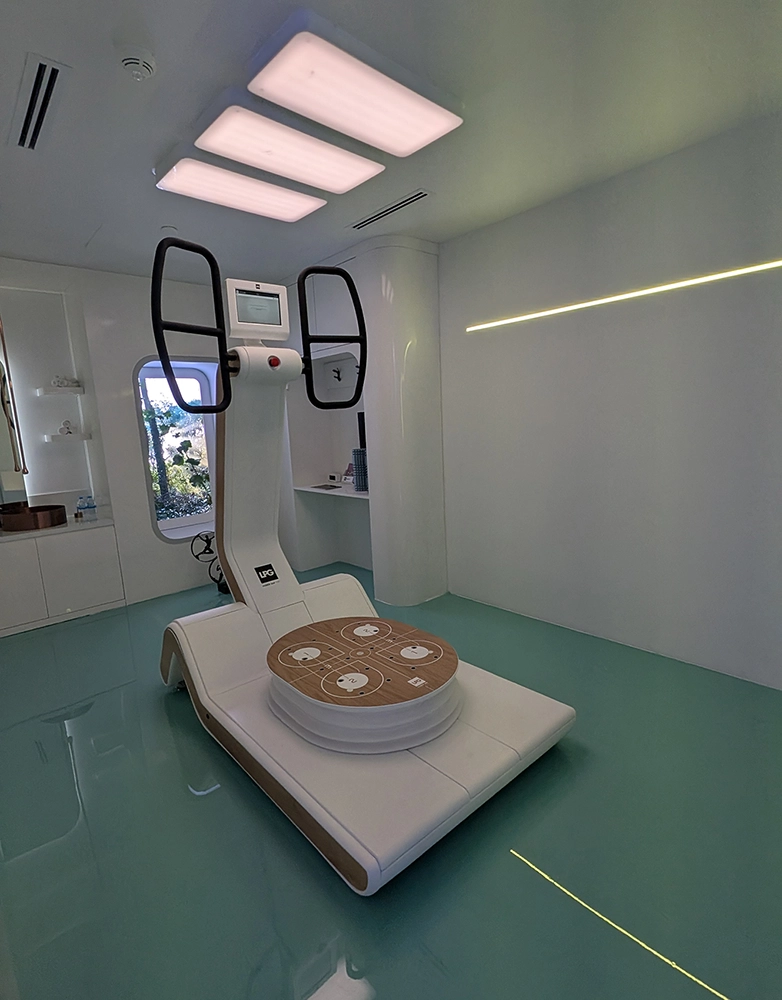
The following day I visited the longevity centre at Regnum Carya, where the experience took on an entirely different energy. If the spa at The Crown felt sensorial and nurturing, this felt like stepping into a futuristic research station devoted to human optimisation, with white corridors, blue-lit floors and sleek design.
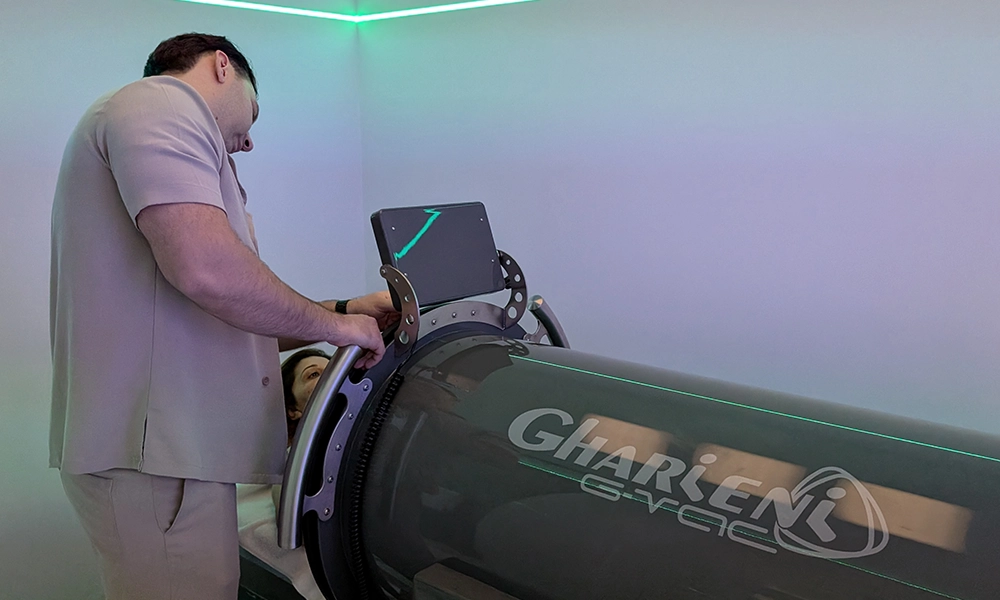
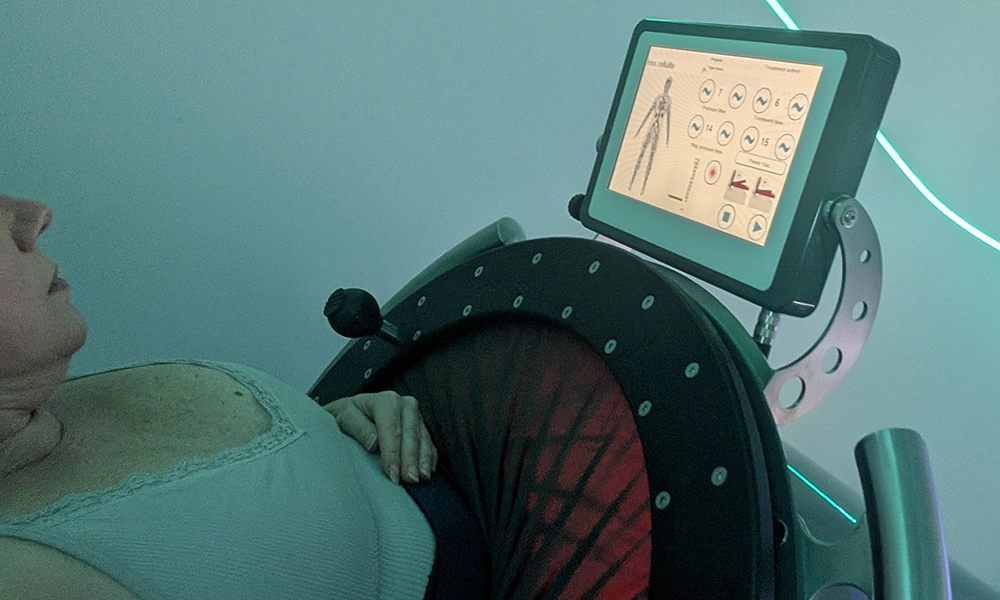
My first treatment was G-VAC therapy, a vacuum-based treatment inspired by aerospace recovery technology and designed to stimulate lymphatic drainage, improve circulation and support recovery. It was enjoyable and felt particularly beneficial after flying, supporting processes the body already knows how to do.
I followed this with the Metawell MLX i³Dome, an advanced far infrared recovery bed that uses targeted heat to support detoxification, anti-inflammatory benefits and regeneration. This highlighted how modern wellness often refines ancient principles such as the healing power of heat.
What is cryotherapy and what does it feel like?
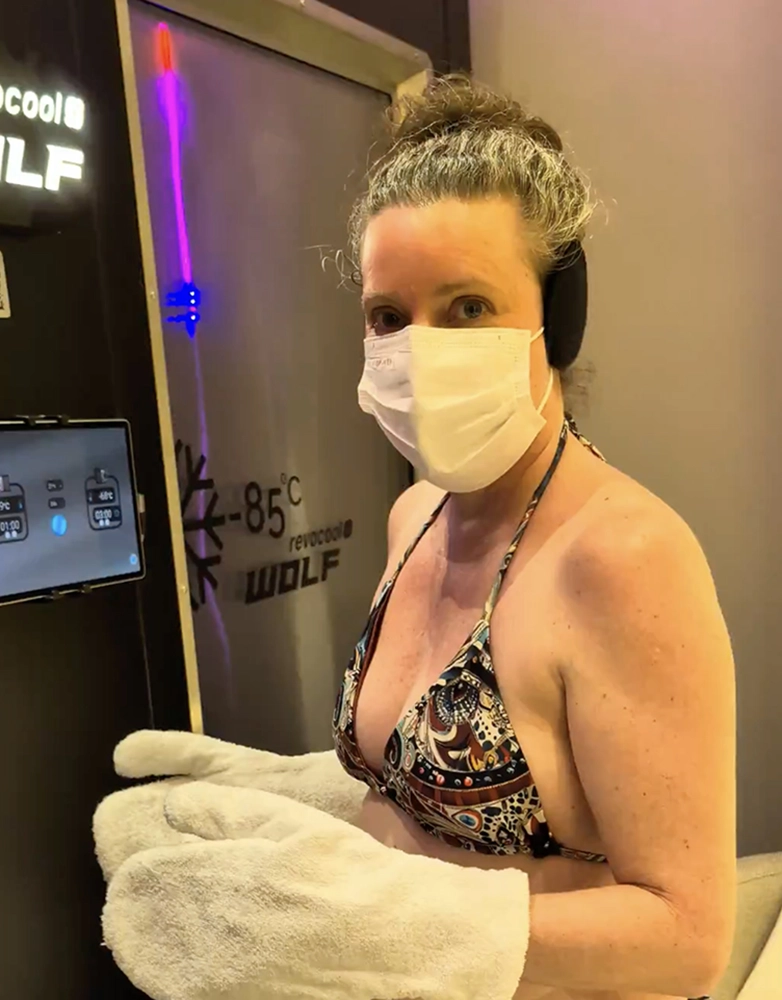
There were more treatments still, including a sculpting facial massage and a floatation tank experience, but it was the cryotherapy chamber that delivered the most unexpected revelation. Stepping into the Revocool Wolf Cryo in minimal clothing, the first chamber at minus 29 degrees was shock enough, followed by three minutes at minus 85. The sensation afterwards was extraordinary — euphoria, lightness and energy.
Beyond the physical benefits, the experience highlighted something deeper: extreme cold demands surrender. You cannot dominate it; you can only breathe and trust, which feels like a powerful metaphor for ageing itself.
Does wellness technology help you live longer?
Looking through the menu of treatments available at the longevity centre was eye-opening, from ice therapies to infrared systems and recovery modalities. It offered a glimpse into where hospitality and preventive health are increasingly merging.
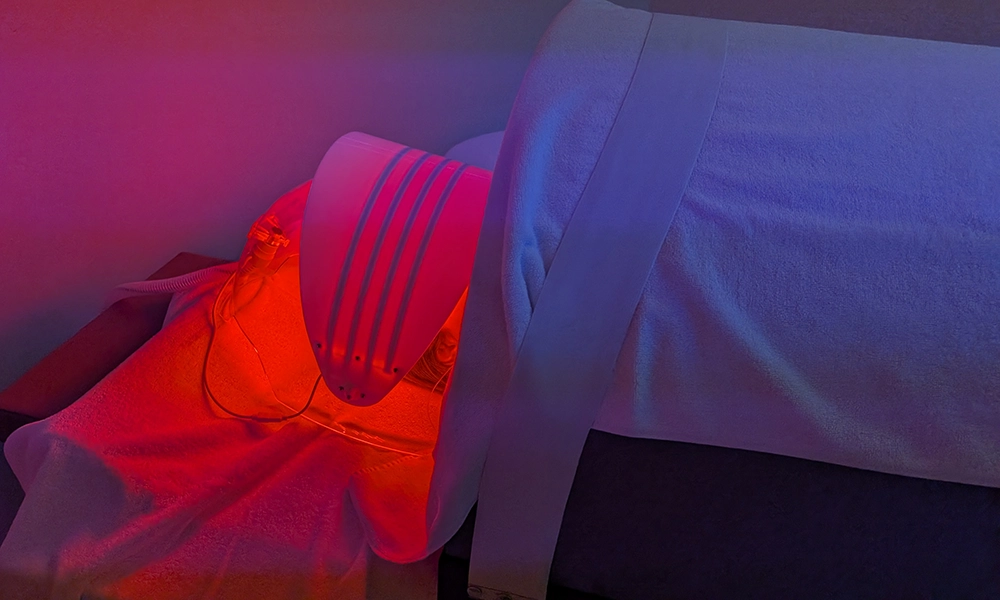
Did a long weekend of wellness technology convince me I would live longer? No, not in any simplistic sense. But what it did do was open my eyes to possibilities and help identify tools worth integrating into daily life. Red light therapy is now part of my weekly routine, and I would revisit G-VAC and RLX BrainGym™, recognising that wellbeing is cumulative and small practices repeated over time matter.
Is pleasure essential for longevity?
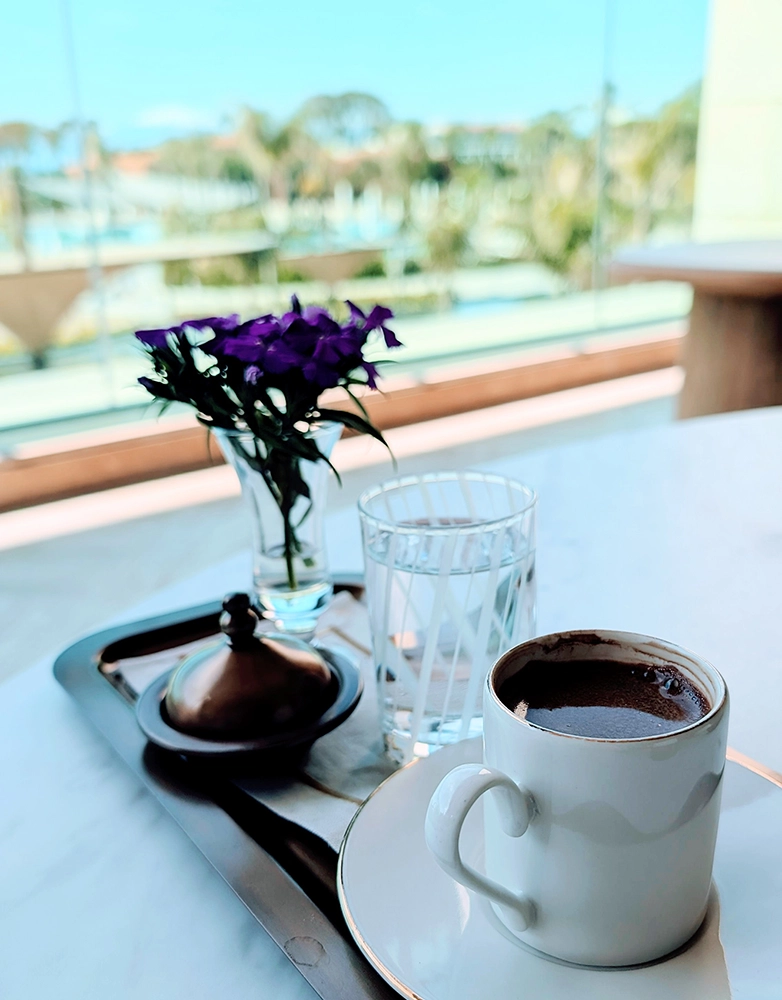
And yet, some of the most restorative moments of the trip had nothing to do with biohacking. They involved sunshine, stillness, Turkish coffee and conversation. They involved pleasure.
This is where the “Don’t Die” narrative can feel incomplete. Life cannot be reduced to optimisation, and longevity without joy feels hollow.
What is the dining experience at Regnum The Crown?
That philosophy extends into the dining at Regnum The Crown. Food is part of the wellness experience, and the main buffet feels like a curated culinary journey with Mediterranean dishes, Turkish classics and international cuisine presented with elegance. Beyond this, the resort offers fine dining, beachside experiences, patisseries and cafés, integrating food into the rhythm of the stay.
My personal favourite was Lotus, a wellness-led restaurant centred on organic ingredients, fresh smoothies and nourishing dishes that feel both light and satisfying. It is a reminder that eating well is itself a longevity practice.
Living well to 100 or trying not to die?
So where does this leave the debate between living well to 100 and trying not to die? For me, it remains somewhere in between. I believe in innovation and the role of technology in supporting health, but I do not believe longevity should become a fearful attempt to outrun ageing.
Perhaps the real question is not how to live forever, but how to live well enough that longevity becomes a natural byproduct. This experience in Turkey did not deliver definitive answers, but it refined the perspective. The future of wellbeing may not lie in choosing between ancient wisdom and advanced technology, but in allowing both to support a life worth extending. And if that carries us to 100, all the better.
DISCOVER: regnumhotels.com
Filed underFitness & movement, Cold & heat therapy, Türkiye, Rest & rejuvenation, Spa, Longevity
About the author
Rachel BransonFounder & Editor in Chief
With over 30 years in publishing and a background in Naturopathic Medicine, she has made it her mission to challenge mainstream health narratives and empower people to take control of their wellbeing. Now expanding her vision across the Atlantic, Rachel is bridging UK and US audiences with inspiring stories, trusted insights, and pioneering partnerships that align with a new era of health innovation.