There was a time when success and excess were often indistinguishable. From the publishing houses of London to the trading floors of New York, from film sets to DJ booths in Ibiza, alcohol—and often drugs—were not simply social lubricants; they were woven into the fabric of professional life. Deals were sealed over drinks, reputations built in late-night conversations, and careers accelerated in environments where stamina, not sustainability, was the currency of success.

Yet something is shifting.
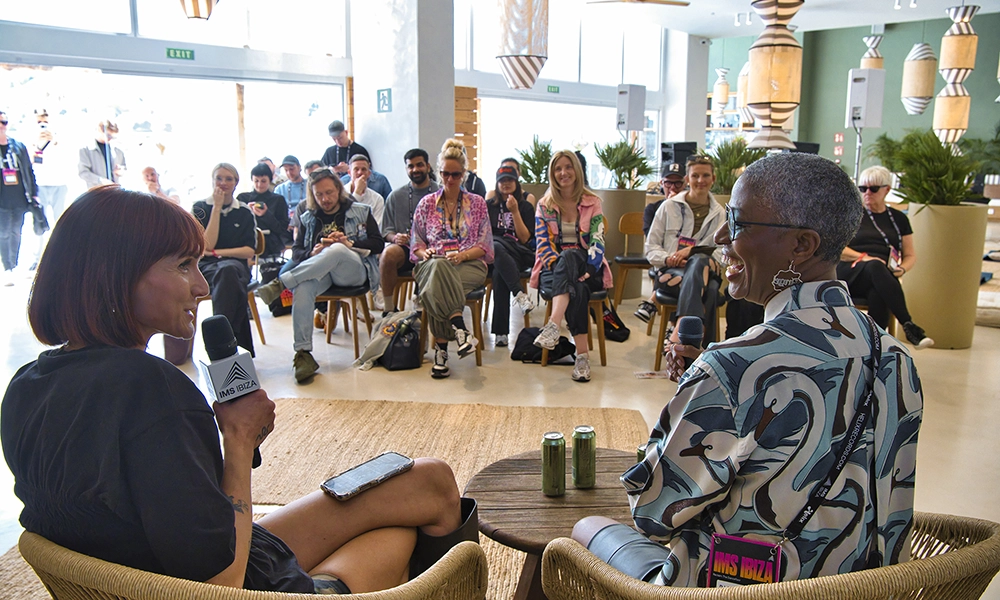
Having just returned from the International Music Summit in Ibiza, what stood out was not the spectacle of nightlife the island is globally known for, but a quieter, more profound evolution happening behind the decks. In conversations, panels, and personal stories, DJs—long associated with hedonistic lifestyles—are increasingly choosing sobriety. They are re-evaluating what it means to perform, to endure, and ultimately, to succeed.
This is not a niche movement confined to music culture. It is part of a broader cultural recalibration across industries, where the cost of “keeping up” is being weighed more critically against long-term health, mental wellbeing, and quality of life.
The Legacy of Excess in Professional Culture
Historically, many industries have normalised unhealthy behaviours under the guise of performance and belonging. In finance, high-pressure environments have long been associated with heavy drinking, stimulant use, and burnout. Studies from institutions such as the National Institute on Alcohol Abuse and Alcoholism (NIAAA) have consistently shown elevated rates of alcohol misuse in sectors characterised by long hours, high stress, and client-facing roles.
The media and publishing industries were no exception. Offices with in-house bars were not unusual, and Friday afternoons often blurred into evenings where alcohol became part of the workflow rather than a departure from it. For many, including seasoned professionals, some of the most significant deals and creative breakthroughs were remembered as happening under the influence.
Similarly, in the music industry, the mythology of the DJ has long been intertwined with nightlife excess. Alcohol, stimulants, and sleep deprivation were seen almost as rites of passage. To be immersed in that world was to accept its rhythms—late nights, constant travel, and an unspoken expectation to participate fully in its culture.
But what happens when the cost of that participation becomes unsustainable?
The Biology of Burnout and Substance Use
From a physiological perspective, the long-term effects of alcohol and drug consumption are well documented. Alcohol, even at moderate levels, impacts sleep architecture, reducing REM sleep and impairing recovery. Chronic use is associated with increased risk of liver disease, cardiovascular issues, and neurological decline. According to the World Health Organization (WHO), alcohol contributes to over 3 million deaths globally each year and is a causal factor in more than 200 disease and injury conditions.
In high-performance professions, where cognitive clarity, emotional regulation, and physical resilience are essential, the impact is even more pronounced. Alcohol disrupts the prefrontal cortex, impairing decision-making and impulse control, while chronic stimulant use can dysregulate dopamine systems, leading to cycles of dependency and depletion.
Sleep deprivation compounds these effects. Research from the Centers for Disease Control and Prevention (CDC) highlights that insufficient sleep is linked to decreased productivity, increased errors, and heightened risk of chronic health conditions. For professionals operating across time zones—such as DJs, pilots, or corporate executives—circadian disruption becomes an additional layer of strain.
What emerges is a paradox: the very behaviours once associated with success are, in fact, undermining the capacity to sustain it.
The Human Cost Behind the Glamour
One of the most striking aspects of conversations at the International Music Summit was the visibility of what is usually hidden. The audience sees the performance—the set, the lights, the energy—but not the logistics behind it.
There are DJs who wake up in unfamiliar hotel rooms, unsure of which country they are in. Schedules that involve playing a set at one iconic location, sprinting to an airport, navigating delays, and arriving just in time to perform again hours later in a different city. The physical and mental demands are relentless.
This is not unique to music. In corporate environments, long-haul travel, back-to-back meetings, and client entertainment often create similar patterns. In film and television, production schedules can stretch into 16-hour days, with little regard for recovery. In hospitality, late nights and high-pressure service environments are often fuelled by stimulants and sustained by alcohol.
What unites these industries is not the specific substance, but the underlying belief: that endurance at any cost is a marker of commitment.
A Generational Reappraisal
What is changing now is not simply behaviour, but belief systems.
Younger generations entering the workforce are increasingly questioning whether success must come at the expense of health. Data from organisations such as Drinkaware UK and Gallup indicates a steady decline in alcohol consumption among younger adults compared to previous generations. In the United States and parts of Europe, “sober curious” movements are gaining traction, with individuals choosing to reduce or eliminate alcohol without necessarily identifying as abstinent.
In the workplace, this translates into shifting expectations. Flexibility, mental health support, and sustainable working practices are no longer seen as perks, but as prerequisites. The idea that one must “fit in” by adopting unhealthy habits is being challenged.
The story of a young stockbroker, who believed his career required him to party hard to succeed, reflects a mindset that is still prevalent—but increasingly questioned. When asked whether he had a choice, his confusion was telling. For many, the link between career progression and lifestyle has been so deeply ingrained that alternatives feel unimaginable.
And yet, alternatives are emerging.
The Rise of Sobriety in High-Performance Environments
Back in Ibiza, the narrative from DJs is evolving. Many are choosing sobriety not as a moral stance, but as a strategic one. They are replacing alcohol with hydration protocols, supplements, and structured recovery practices. Smoothies instead of shots. Sleep prioritised wherever schedules allow. Meditation and breathwork integrated into routines that once revolved around nightlife.
The emergence of initiatives such as the Conscious Music Circle, and participation from figures like Pete Tong, signals a broader cultural shift within the industry. What was once considered outside the norm—guided meditation, conscious connection, introspection—is becoming part of the conversation.
This is mirrored in other sectors. In Silicon Valley, microdosing and biohacking have given way, in some circles, to mindfulness and mental health awareness. In elite sports, recovery is now as valued as training. In corporate leadership, there is a growing emphasis on emotional intelligence and sustainable performance.
Even the nightlife industry itself is adapting. Sober clubs, daytime events, and alcohol-free experiences are gaining popularity, offering spaces where connection and music are not dependent on intoxication.
The Science of Performance Without Substances
From a scientific standpoint, the benefits of reducing or eliminating alcohol and drug use are significant. Studies published in journals such as The Lancet have challenged the notion of “safe” levels of alcohol consumption, suggesting that the optimal level for health is zero. While this remains a topic of debate, the trend towards moderation is supported by evidence linking reduced alcohol intake to improved sleep, cognitive function, and overall wellbeing.
Neuroscience also supports the shift. Practices such as meditation have been shown to enhance neuroplasticity, reduce stress, and improve emotional regulation. Breathwork can influence the autonomic nervous system, promoting a state of calm and focus. Nutrition and supplementation, when approached responsibly, can support energy levels and recovery.
In essence, the tools now being adopted by professionals across industries are not new—they are simply being re-prioritised.
Redefining What It Means to Belong
One of the most powerful aspects of this cultural shift is its impact on identity and belonging.
For decades, participation in certain industries came with an implicit social contract. To be part of the group, one had to adopt its norms. Refusing a drink, leaving early, or prioritising rest could be perceived as a lack of commitment.
As sobriety becomes more visible, this dynamic begins to change. When respected figures within an industry choose a different path, it creates permission for others to do the same. The narrative shifts from exclusion to inclusion—from “you must do this to belong” to “you can belong as you are.”
This is particularly significant in environments where peer pressure has historically been strong. In finance, for example, research from the Financial Conduct Authority (FCA) has highlighted concerns around workplace culture and its impact on decision-making and behaviour. A move towards healthier norms has implications not only for individual wellbeing, but for organisational integrity.
The Economic Argument for Wellbeing
Beyond individual health, there is a growing recognition of the economic impact of unhealthy workplace cultures.
The World Health Organization estimates that depression and anxiety cost the global economy approximately $1 trillion per year in lost productivity. Substance misuse contributes to absenteeism, presenteeism, and increased healthcare costs. In high-performance industries, where margins for error are slim, the cost of impaired decision-making can be substantial.
Conversely, organisations that prioritise wellbeing often see improvements in productivity, retention, and employee engagement. Flexible working arrangements, mental health support, and a culture that values sustainability over burnout are increasingly seen as strategic investments rather than optional extras.
The Role of Leadership and Visibility
Cultural change rarely happens in isolation. It requires leadership, visibility, and a willingness to challenge entrenched norms.
In the music industry, when influential DJs speak openly about their choices, it has a ripple effect. In corporate environments, when senior leaders model balanced behaviours—leaving on time, declining excessive drinking, prioritising health—it signals a shift in expectations.
The same is true in media, film, and hospitality. Visibility matters. It reshapes what is perceived as normal, and in doing so, expands the range of acceptable behaviours.
A New Definition of Success
Ultimately, the rise of sobriety in the workplace is part of a broader redefinition of success.
Success is no longer measured solely by output, status, or financial gain. Increasingly, it is being evaluated through the lens of sustainability—both personal and professional. Can you maintain your performance over time? Can you support your mental and physical health? Can you build a career that enhances, rather than diminishes, your quality of life?
For many, the answer now involves stepping away from habits that were once considered essential.
The Question That Remains
As industries continue to evolve, a question lingers. Will younger generations continue to challenge the norms they inherit, choosing careers and environments that align with their values? Or will the pressures of performance and expectation recreate the same patterns in new forms?
The answer is not yet clear. Cultural change is rarely linear, and progress often coexists with resistance.
What is evident, however, is that the conversation has begun. From the dance floors of Ibiza to the boardrooms of global corporations, there is a growing awareness that success should not require self-sacrifice at the level once accepted. That health and wellbeing are not luxuries, but foundations. And that the most sustainable form of performance is one that honours, rather than overrides, the human behind it.
In that sense, the sobriety shift is not about abstinence alone. It is about autonomy. It is about reclaiming the right to choose how we work, how we live, and ultimately, how we define success.
- About the Author
- Latest Posts

Rachel Branson is the Founder of Haywood Media and Editor-in-Chief of Wellbeing Magazine, where she has spent more than twenty years exploring the relationship between health, wellbeing and the environments in which we live. Her passion for housing began growing up in her family’s estate agency, where her grandfather, father and uncles worked as a Chartered Surveyor specialising in commercial, residential property and new homes. She later became Head of Communications for a social housing provider, working closely with communities and new developments. Bringing together experience across property, housing, communications and wellbeing, Rachel is developing a new body of work focused on how homes and neighbourhoods can be designed to support healthier, happier lives through every stage of life.