If something goes wrong with your medical treatment, there is nothing wrong with trying to figure out why. Unfortunately, going through the medical system can be quite complicated. The truth is that many medical problems are simply unforeseeable – they just happen no matter what.
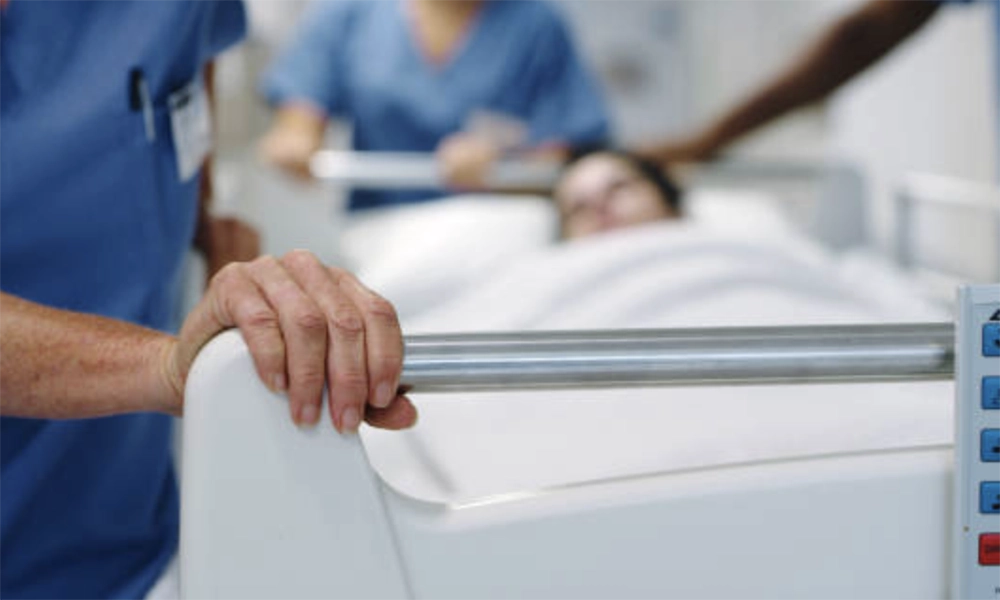
On the other hand, some of the problems arise because of the errors made by the medical facility. Although cases of surgical mistakes make headlines, other things such as poor communication or delays may be much more dangerous.
It is important to note that not all bad results mean that there was any kind of negligence. The goal of this guide is to give you a better understanding of the possible problems and your rights.
1. Delayed or Missed Diagnoses
Late detection of disease is one of the most frequent causes of avoidable harm in the field of medicine. It is unfortunately not uncommon for early symptoms to be overlooked, misunderstood, or insufficiently evaluated.
The late diagnosis of any illness may lead to poor results from treatment, and transform what was initially a treatable ailment into a potentially fatal one. This happens especially often when the illness is complex, such as cancer, strokes, infections, and heart problems.
Investigating a diagnostic error can be especially hard. While substandard medical care on the part of the physician can be proved, establishing the connection between the error and the poor result is more complicated.
2. Communication Breakdowns Between Healthcare Providers
Modern medicine is highly dependent on collaboration, which implies that all information should be shared perfectly among healthcare providers. Regrettably, bad handover processes among hospital departments and shift changes often result in crucial pieces of information not being conveyed.
As per data on patient safety provided by the World Health Organization, many cases of medical errors can be attributed to such problems. Vulnerabilities in the system are highly prevalent during hospital admissions and discharges.
Why Handover Errors Can Escalate Quickly
If there is fragmentation within the care environment, no single care provider has all the information at their disposal. Should any vital information be missed out in the transfer of information from one shift to another, the decisions made will be based on partial information.
3. Inadequate Informed Consent
Prior to any procedure, it is your absolute right to know precisely what is going to occur. Informed consent involves a patient who knows and understands all of the potential risks associated with the procedure, along with the available options and the nature of recovery after the procedure.
In too many cases, informed consent simply becomes a quick paper signing and not a real discussion at all. From a legal standpoint, there is a huge difference between an inherent risk – a known complication that could happen even if you do nothing else but take your chances – and failing to warn you of the risk altogether.
4. Medication and Prescription Errors
Safety regarding medication is a huge concern in the entire healthcare industry. Some examples include receiving the wrong dose, drug interactions, and simply being prescribed the wrong medication.
These problems arise not only in large hospitals but also in aged-care centers, where there is a heavy workload. According to the Australian Commission on Safety and Quality in Health Care, safety regarding medication is a significant area of focus because a simple mistake such as a misplaced decimal place can cause serious physiological damage.
Why Older Patients Face Higher Risks
Older individuals regularly manage multiple chronic illnesses simultaneously. This reality, known as polypharmacy, drastically increases their vulnerability to toxic drug interactions and administration mistakes, requiring much tighter clinical oversight.
5. Failure to Escalate Patient Concerns
At other times, the problem occurs simply because people do not listen. If initial indicators that a person’s condition is declining are brushed off as “normal post-operative recovery,” patients will be the victims of negligence.
The time it takes for the patient’s condition to be escalated can turn potentially dangerous conditions such as sepsis, internal bleeding, or post-operative complications into a crisis situation. If you feel that something is not right about your condition, especially when you are being ignored, it might be a good idea to get a second opinion immediately.
6. Discharge Planning and Follow-Up Failures
The medical process for patients does not come to an end the minute they are discharged from the ward. Indeed, most incidents happen post-discharge as opposed to during the treatment period itself.
Preventable injuries may result if patients are discharged too soon, if their instructions are too vague, or if follow-ups are not arranged at all. Lack of continuity in care and confusion about the next person responsible for the patient’s welfare may hamper recovery efforts.
7. Documentation and Record-Keeping Errors
However, we often treat medical charts as paperwork, but in reality, they are extremely important clinical documents. Poorly filled notes, forgotten pathology requests, incorrect patient data, and other mistakes put patient lives at risk.
Without access to the full history of the patient, doctors work in the dark. According to the research conducted by Johns Hopkins Medicine, system failures in diagnosis and administration play an important role in patient injuries.
Why Accurate Records Matter
Every decision made during the treatment is influenced by the clinical documentation provided by doctors. Moreover, if something goes wrong, this documentation will be the first thing that needs to be investigated.
8. Assuming Every Complication Is “Just a Known Risk”
If a patient experiences an unforeseen injury or develops a prolonged sickness following a particular medical procedure, the explanation given to the patient is that it is one of the risks involved with the procedure. Though there may be times when such complications are unavoidable, at other times the complication might have occurred due to preventable errors within the healthcare delivery process.
In situations where preventable harm may have contributed to a poor medical outcome, speaking with experienced medical negligence lawyers can help patients better understand whether the injury resulted from an unavoidable complication or a breach of appropriate care standards. Determining responsibility is rarely straightforward, making expert clinical and legal reviews essential to uncovering the truth.
Conclusion
The risks to patient safety are seldom as obvious as they are portrayed in movies; most of the time, they are subtle, quiet miscommunications or misunderstandings. The only way you can stay safe is by being proactive about your healthcare needs and asking questions, taking your own notes, and getting a second opinion when necessary. Knowledge will be the key to your voice being heard.
- About the Author
- Latest Posts

Our Editorial Team are writers and experts in their field. Their views and opinions may not always be the views of Wellbeing Magazine. If you are under the direction of medical supervision please speak to your doctor or therapist before following the advice and recommendations in these articles.