How Advanced Nursing Skills Improve Healthcare Outcomes
Have you ever wondered why some patients recover faster, avoid complications, and leave the hospital feeling more confident about their health?
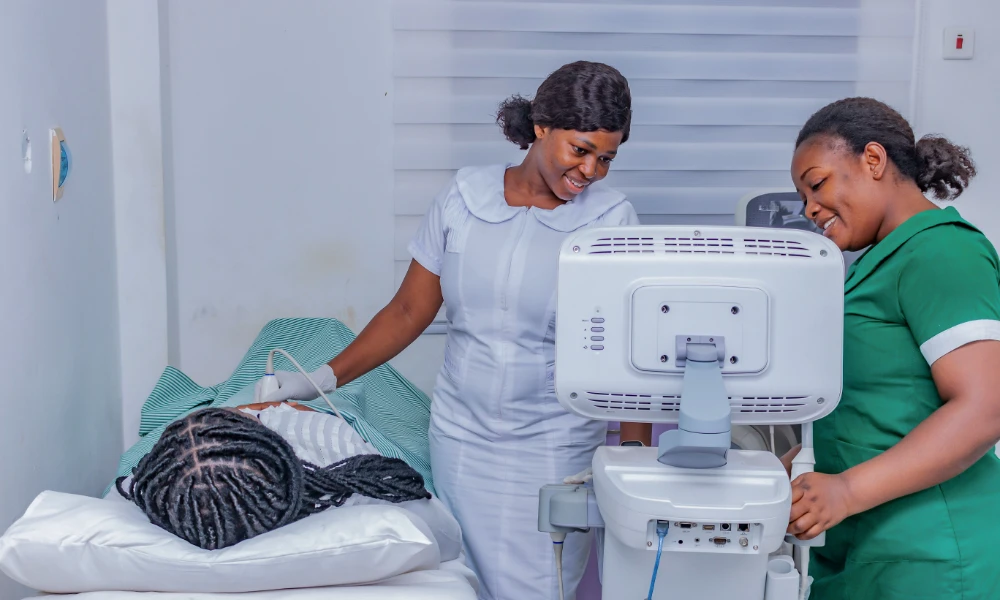
Have you ever wondered why some patients recover faster, avoid complications, and leave the hospital feeling more confident about their health? The answer often has less to do with technology and more to do with the healthcare professionals guiding their care. Advanced nursing skills have become increasingly important as hospitals face staffing shortages, aging populations, and rising rates of chronic illness. Nurses with specialized training are helping bridge critical gaps in healthcare, improving patient outcomes while making medical systems more efficient and responsive to modern challenges.
The Expanding Role of Modern Nurses
Healthcare today looks very different from what it did even a decade ago. Patients are living longer, often managing multiple chronic conditions at the same time, which creates greater demands on healthcare systems. Advanced nursing professionals play a vital role by assessing complex cases, coordinating care plans, and ensuring patients receive timely interventions.
Their expertise extends beyond traditional bedside care. Many advanced practice nurses conduct detailed evaluations, interpret diagnostic results, and collaborate closely with physicians and specialists. This broader scope allows healthcare teams to respond more quickly to patient needs, reducing delays that can negatively affect recovery and overall outcomes.
Advanced Education Creates Stronger Clinical Decision-Making
As healthcare becomes more complex, higher levels of nursing education are increasingly valuable. Many professionals pursue a Master of Science in Nursing online (MSN) program at Sacred Heart University to gain specialized knowledge in leadership, clinical practice, and evidence-based care. Flexible learning options have become particularly attractive as working nurses balance career demands with educational advancement.
The benefits of advanced education appear directly in patient care settings. Nurses with graduate-level training are better equipped to recognize subtle warning signs, evaluate treatment effectiveness, and make informed recommendations. Their ability to analyze clinical data helps prevent complications before they become serious problems, improving both patient safety and healthcare efficiency.
Better Patient Assessment Leads to Earlier Intervention
One of the most valuable advanced nursing skills involves comprehensive patient assessment. Experienced nurses often identify changes in a patient's condition before those changes become obvious through laboratory tests or medical imaging. Early recognition can significantly alter the course of treatment.
Consider a patient recovering from surgery who begins showing small signs of infection. An advanced practice nurse may detect concerning symptoms during routine monitoring and alert the care team immediately. Prompt treatment can prevent hospitalization extensions, reduce healthcare costs, and most importantly, protect the patient's health before complications escalate.
Improving Chronic Disease Management
Chronic illnesses such as diabetes, heart disease, and hypertension continue to place enormous pressure on healthcare systems throughout the United States. According to public health data, millions of Americans manage at least one long-term condition that requires ongoing monitoring and lifestyle adjustments.
Advanced nursing skills contribute significantly to chronic disease management by helping patients understand treatment plans, medication schedules, and risk factors. Rather than focusing solely on immediate symptoms, these nurses educate patients about long-term health strategies. This proactive approach often reduces emergency room visits, prevents avoidable complications, and encourages patients to take greater ownership of their health outcomes.
Strengthening Communication Across Healthcare Teams
Healthcare can sometimes resemble a group project where everyone has expertise, but not everyone receives the same information at the same time. Advanced nursing professionals often serve as key communicators who connect physicians, specialists, therapists, patients, and family members.
Effective communication reduces misunderstandings and ensures care plans remain consistent across multiple providers. When treatment recommendations are clearly explained and properly coordinated, patients are less likely to experience medication errors or conflicting instructions. Strong communication also improves trust, which remains one of the most important factors influencing patient satisfaction and adherence to medical advice.
Using Evidence-Based Practice to Improve Results
Medical knowledge continues to evolve rapidly. New treatments, research findings, and clinical guidelines emerge every year, creating both opportunities and challenges for healthcare providers. Advanced nursing education emphasizes evidence-based practice, which involves applying the best available research to patient care decisions.
This commitment to current evidence helps ensure patients receive treatments supported by proven outcomes rather than outdated habits or assumptions. Whether managing infections, preventing hospital-acquired conditions, or improving recovery protocols, evidence-based nursing contributes directly to higher-quality care and better long-term health results.
Supporting Mental Health and Patient Confidence
The growing national conversation around mental health has highlighted an important reality: emotional well-being often influences physical recovery. Patients facing illness, surgery, or chronic conditions frequently experience stress, anxiety, or uncertainty that can affect treatment outcomes.
Advanced nursing professionals are trained to recognize psychological concerns alongside physical symptoms. By providing education, emotional support, and appropriate referrals, they help patients feel more informed and empowered. This support can improve treatment adherence, reduce anxiety, and create a more positive healthcare experience that encourages active participation in recovery.
Reducing Healthcare Costs While Improving Quality
Healthcare organizations across the country face increasing pressure to improve outcomes while controlling costs. Although these goals may seem contradictory, advanced nursing skills help achieve both objectives. Early intervention, accurate assessments, effective care coordination, and patient education all contribute to reducing unnecessary hospitalizations and preventable complications.
Recent healthcare trends have shown that investing in skilled nursing professionals often produces measurable returns. Patients experience shorter hospital stays, lower readmission rates, and improved satisfaction levels. For healthcare systems navigating financial challenges and workforce shortages, advanced nursing expertise represents a practical solution that benefits providers, patients, and communities alike.
Leadership Skills That Improve Patient Care
Advanced nursing skills are not limited to clinical knowledge. Leadership has become one of the most valuable competencies in modern healthcare, particularly as hospitals navigate staffing shortages, rising patient volumes, and increasingly complex care demands. Nurses with advanced training often take on responsibilities that include mentoring junior staff, coordinating interdisciplinary teams, and helping implement quality improvement initiatives.
Their ability to guide decision-making during high-pressure situations helps maintain patient safety while ensuring healthcare teams remain focused on shared goals. Strong nursing leadership also contributes to a positive workplace culture, which has been linked to lower staff turnover, better communication, and more consistent patient outcomes across healthcare settings.
The future of healthcare will depend heavily on professionals who can combine clinical expertise, critical thinking, and compassionate care. Advanced nursing skills have already demonstrated their ability to improve patient outcomes across diverse healthcare settings. From chronic disease management to evidence-based decision-making and team coordination, these capabilities help create safer, more effective healthcare experiences. As medical needs continue to grow and healthcare systems evolve, advanced nursing professionals will remain essential contributors to better outcomes, stronger patient relationships, and a healthier society overall.