Most red light therapy devices for pain are not “FDA-approved” in the strict PMA sense. For brands and distributors, the better question is whether the device is properly FDA cleared, documented, tested, and labelled for the intended pain-related use.
Key Takeaways
- Most red light therapy devices should not be called FDA approved unless the exact device and pathway support that wording.
- Many medical devices are FDA cleared through 510(k), not FDA approved through PMA.
- For pain-related red light or PBM devices, claims must match the exact device, indication, clearance status, and evidence.
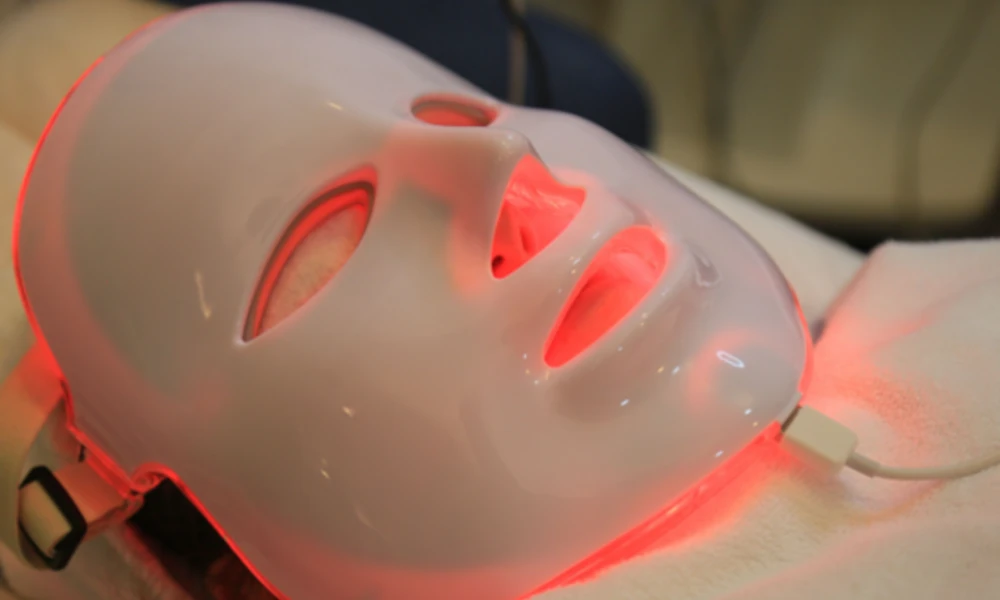
What “FDA Approved” Really Means
Search demand says “FDA approved.” Regulatory reality often says “FDA cleared.” That difference matters.
FDA approval usually refers to the stricter premarket approval (PMA) pathway used for higher-risk Class III devices. Most photobiomodulation (PBM), LED therapy, and low-level light therapy (LLLT) devices instead go through 510(k) clearance, which requires showing substantial equivalence to a legally marketed predicate device. FDA’s draft guidance for PBM devices covers Class II devices and outlines recommendations for 510(k) submissions — a clear signal that this category is generally about clearance and labeling scope, not “approved” badges.
Pro tip: Don’t ask a supplier “Is this FDA approved?” Ask instead: “What is the FDA status, 510(k) number, product code, intended use, and exact claim scope?”
FDA registration is an even weaker signal. A company, facility, or device may be registered or listed without ever going through 510(k) review, De Novo, or PMA. Always ask for the specific pathway.
What Pain Claims Can FDA-Cleared Devices Actually Support?
The right sourcing question isn’t “Can red light therapy help pain?” It’s: what exact pain-related intended use does this device’s FDA record and labeling support?
Some FDA-cleared light or infrared devices carry intended-use language around temporary relief of minor muscle and joint pain, stiffness, muscle spasm, or temporary increase in local blood circulation. Notably, a 510(k) summary for an LED light therapy mask includes infrared-light language for topical heating and temporary relief of minor muscle and joint pain, alongside its cosmetic indications — a useful reference point for how narrow and specific real intended-use wording is.
That’s very different from disease-treatment language such as “cures arthritis” or “reverses chronic disease.” Don’t invent broader claims because a competitor page did.
How to Verify a Device’s FDA Status
Don’t rely on supplier screenshots. FDA’s releasable 510(k) database is searchable by number, product code, and device name.
Ask the supplier for:
- 510(k) number, applicant, product code, and regulation number
- Intended use statement and labeling scope
- Decision date and summary
Then match every field to the actual model and configuration you’re sourcing — not just a similar-looking device from the same supplier.
FDA Approved vs. FDA Cleared vs. FDA Registered
| Term | What It Usually Means | Buyer Risk | What to Verify |
| FDA Approved | PMA approval for higher-risk devices | Often misused for red light therapy | PMA record, approved labeling, exact indication |
| FDA Cleared | 510(k) clearance via substantial equivalence | Claim scope narrower than suppliers suggest | 510(k) number, product code, intended use |
| FDA Registered | Company/facility/device listing only | May be presented as if it were a clearance | Whether a separate clearance/approval/exemption applies |
| “Medical Grade” | Marketing phrase unless backed by data | Misleading without documentation | ISO 13485, safety testing, optical data |
Documentation to Request Before Sampling
Before paying for samples, request the 510(k) number and product code (if applicable), ISO 13485 certificate, electrical safety and optical output test data, risk management file, labeling and user manual, and the supplier’s private-label change-control process.
Private label vs. custom OEM is also a real decision point. Private-label platforms offer speed for wraps, belts, pads, and portable formats already matched to a claim scope. Custom OEM development makes sense when your brand needs a different form factor, dosage program, or app-controlled experience — but it raises the documentation burden (design controls, verification, validation).
How Kaiyan Supports FDA-Cleared PBM Device Projects
Kaiyan Medical is a B2B OEM/ODM manufacturer for LED light therapy, LLLT, and photobiomodulation projects, built around FDA 510(k)-cleared and ISO 13485-certified manufacturing. For a pain-relief device program, that means optical engineering, electronics, production quality control, and documentation support — not just an attractive shell.
Product formats span wraps, belts, pads, panels, handheld devices, and full-body systems, each suited to a different claim strategy, price point, and distribution channel.
Conclusion: Don’t Source by FDA Wording Alone
Choose a supplier because the device record is verifiable, the intended use matches your claims, the optical data is clear, and the manufacturer can support your market — not because a page says “FDA approved.” For most PBM and red light therapy pain devices, FDA cleared is the term you should expect to verify. FDA registered is not the same, and FDA approved may be the wrong term entirely.
FAQ
What are FDA approved red light therapy devices? Most are more accurately FDA cleared through 510(k). Verify the 510(k) number, match it to the exact model, and confirm the intended use supports your planned claim.
Are red light therapy devices for knee pain FDA approved? Some may be cleared for temporary pain-related uses, but “approved” is often the wrong wording. Check the labeling for knee-specific placement before making that claim.
What’s the difference between FDA approved and FDA cleared? Approved usually means PMA for higher-risk devices; cleared usually means 510(k) via substantial equivalence. They are not interchangeable terms.
Can red light therapy cure basal cell carcinoma? No — cancer-treatment or cure claims require legally authorized indications and medical review, which standard red light therapy devices do not have.
These statements have not been evaluated by the FDA. Kaiyan Medical devices and the information in this article are for educational and informational purposes only and are not intended to diagnose, treat, cure, or prevent any disease. Final marketing claims are the responsibility of the brand selling the device.
References
- Photobiomodulation — ASLMS, American Society for Laser Medicine and Surgery.
- Photobiomodulation (PBM) Devices: Premarket Notification 510(k) Submissions — FDA, U.S. Food & Drug Administration.
- Device Approvals and Clearances — FDA, U.S. Food & Drug Administration.
- About the Author
- Latest Posts

Our Editorial Team are writers and experts in their field. Their views and opinions may not always be the views of Wellbeing Magazine. If you are under the direction of medical supervision please speak to your doctor or therapist before following the advice and recommendations in these articles.