Hospital readmissions among older adults have become one of healthcare’s most pressing challenges. The cycle is familiar: a senior falls at home, goes to the hospital, returns home weakened, and ends up back in the ER within weeks. But 2026 is marking a shift. Healthcare providers are moving away from reactive treatment toward preventive strategies that keep seniors out of hospitals in the first place.
The numbers tell the story. About 21% of older adults struggle with mobility, and falls remain the leading cause of injury-related hospitalizations for people over 65. What’s changed is the recognition that many of these admissions are preventable. Recent data shows that combining wearable fall detection technology with proper mobility aids can reduce hospital admissions by up to 40%.
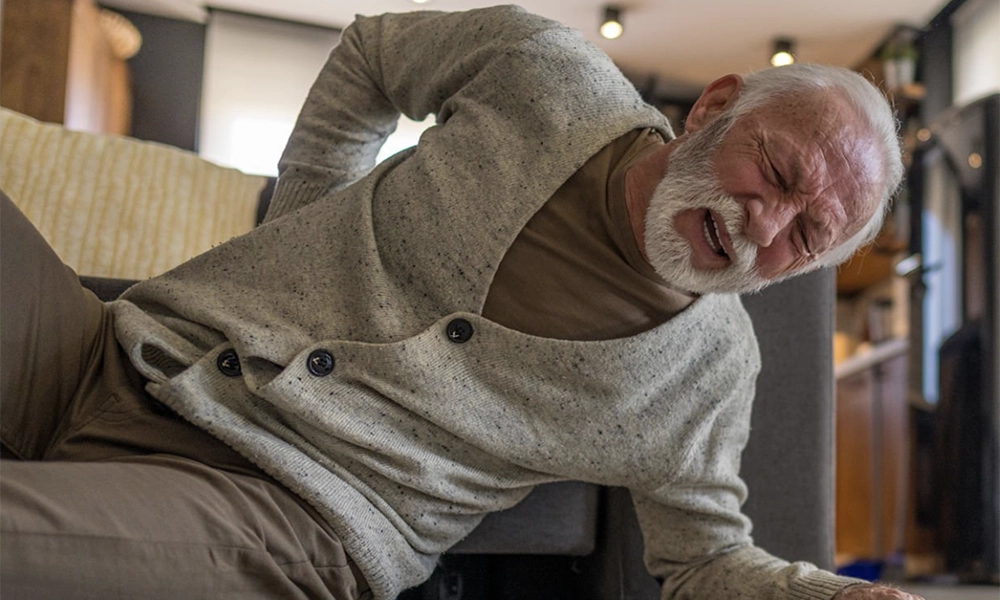
The preventive care model gains ground
Senior living communities and home health agencies are rethinking their approach. Instead of waiting for a crisis, they’re implementing coordinated wellness programs that address mobility before it becomes a medical emergency.
The NIC 2026 report highlights this transformation. Communities that once focused primarily on assisted living are now investing in fall prevention programs, occupational therapy, and mobility assessments. The goal is simple: help residents stay mobile and independent for as long as possible.
Medicare’s expanded coverage for home health services in 2026 has accelerated this trend. Occupational therapists can now work directly with seniors in their homes, assessing their environment and recommending modifications. This includes everything from grab bars in bathrooms to appropriate walking aids that match each person’s specific needs.
Why mobility aids matter in prevention
A lightweight walker serves as a foundational tool in these preventive programs. When seniors have proper support for walking, they’re more likely to stay active. Regular movement maintains muscle strength, improves balance, and reduces the psychological fear of falling that often leads to self-imposed isolation.
The key is matching the right mobility aid to the individual. Someone recovering from surgery needs different support than someone managing arthritis. Physical therapists now routinely prescribe specific types of walkers based on weight, maneuverability, and the user’s living environment.
Lightweight options work particularly well because seniors can handle them independently. They’re easier to lift into cars, navigate through doorways, and use throughout the day without fatigue. This independence factor directly impacts compliance—people actually use aids they can manage on their own.
Technology and mobility working together
Wearable fall detection devices have gotten smarter. Modern systems can distinguish between a true fall and simply sitting down quickly. When paired with mobility aids, they create a safety net that gives both seniors and their families confidence.
Some healthcare systems are now tracking mobility patterns through these wearables. If someone’s walking speed decreases or their gait becomes unsteady, occupational therapists can intervene before a fall occurs. They might recommend adjustments to existing mobility aids or suggest additional home modifications.
AI monitoring systems are being piloted in several communities. Sensors track movement patterns throughout the day, flagging unusual behavior like increased nighttime bathroom trips or reduced overall activity. This data helps care teams identify when someone might benefit from a mobility assessment.
Home modifications complete the picture
Preventive mobility solutions work best when the entire home environment supports safe movement. Occupational therapists assess lighting, flooring, furniture placement, and bathroom safety during home visits.
Common recommendations include removing throw rugs, installing brighter lighting in hallways, and ensuring clear pathways throughout the home. These changes seem minor but have measurable impact. Seniors who implement comprehensive home safety modifications alongside appropriate mobility aids show the steepest decline in fall-related hospital visits.
Medicare’s 2026 coverage expansion means more families can afford these modifications. Occupational therapy visits that were previously limited are now more accessible, allowing for ongoing adjustments as mobility needs change.
- About the Author
- Latest Posts

Our Editorial Team are writers and experts in their field. Their views and opinions may not always be the views of Wellbeing Magazine. If you are under the direction of medical supervision please speak to your doctor or therapist before following the advice and recommendations in these articles.