In a world increasingly focused on wellness and healthcare solutions, physical therapy emerges as a pivotal element in recovery plans. It serves not only as a means to relieve pain but also as a comprehensive approach to health that targets the root causes of physical discomfort. With global trends moving towards personalized healthcare, the role of physical therapy becomes essential in facilitating recovery and enhancing overall life quality.
This article delves into the reasons why integrating physical therapy into recovery plans is crucial. By exploring its benefits, market growth, and potential impact on global health, we aim to illuminate its importance for those facing diverse health challenges. The path to optimal recovery requires informed choices, and understanding how physical therapy can be implemented is invaluable.
Benefits of Physical Therapy in Recovery
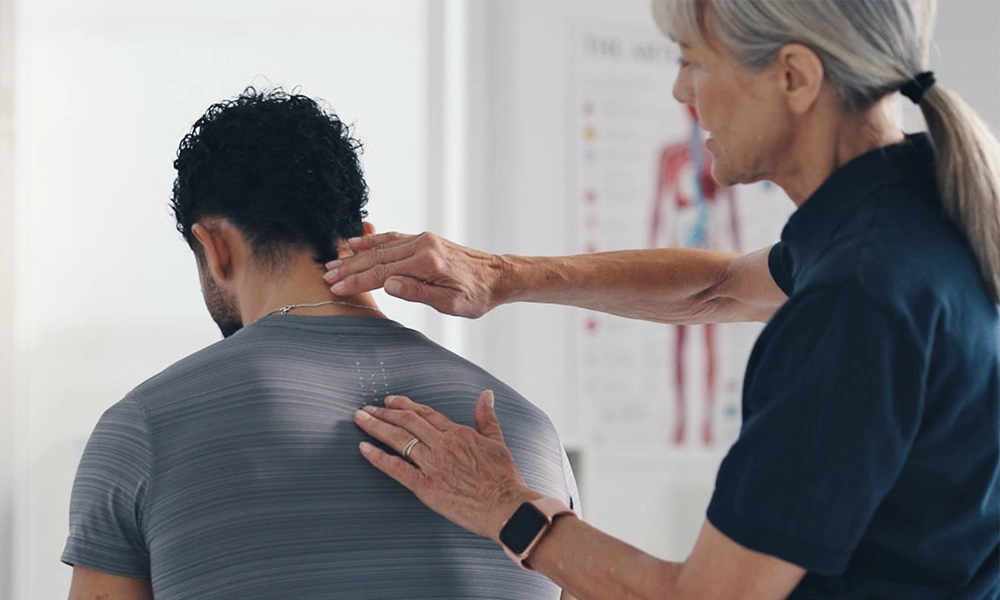
Physical therapy offers numerous advantages when integrated into a recovery plan. One of the primary benefits is its ability to provide patient-specific solutions that address individual health concerns. Tailored interventions include exercises and hands-on techniques designed to improve movement, increase strength, and relieve pain. These strategies not only boost physical health but also contribute to enhanced mental well-being by instilling a sense of accomplishment and progress. Additionally, according to WHO, a remarkable 2.4 billion individuals globally live with health conditions that could substantially benefit from such rehabilitation efforts.
In-home physical therapy has emerged as a convenient solution, bringing skilled therapeutic care directly to patients’ doorsteps. This accessibility not only eliminates the need for travel but also ensures continuity of care in a familiar environment, which can be particularly advantageous for individuals with severe mobility issues. Moreover, Forbes highlights the effectiveness of having therapy sessions conducted at home, providing a comfortable and stress-free setting conducive to healing. By incorporating physical therapy into home routines, patients are more likely to adhere to their prescribed exercises and achieve better outcomes.
Beyond practical benefits, physical therapy fosters a proactive approach to managing one’s health. It equips patients with the knowledge and skills necessary to maintain their physical achievements long term. Through education on proper posture and movement techniques, individuals can prevent future injuries and enhance their overall quality of life. This empowerment not only mitigates the risk of re-injury but also reinforces the importance of taking charge of one’s health. Ultimately, physical therapy stands as a cornerstone for sustainable recovery and long-lasting wellness.
The Growing Market for Physical Therapy
The demand for physical therapy services continues to grow, reflecting its increasing recognition as a vital component of healthcare. According to The Business Research Company, this sector is projected to expand to an impressive $37.54 billion by 2029, rising at an annual growth rate of 5.8%. This surge underscores the heightened awareness and acknowledgment of physical therapy’s effectiveness in managing and improving health conditions. As healthcare providers and patients alike embrace these benefits, the market is poised for significant advancements.
This market growth is not only driven by the increasing number of individuals seeking rehabilitation services but also by innovations in therapy techniques and delivery methods. Evolving from traditional clinical settings, physical therapy is now more accessible, with teletherapy and in-home options becoming increasingly popular. These advancements cater to a broader audience, making specialized care readily available regardless of geographical limitations. The expansion of service delivery methods highlights the industry’s adaptability to modern health trends and patient needs.
With the rising prevalence of chronic and acute health conditions, such as arthritis and sports injuries, the necessity for effective rehabilitation solutions has become apparent. The expanding physical therapy market is a testament to its integral role in healthcare systems worldwide. As more individuals seek improved quality of life and functional independence, the demand for professional, personalized rehabilitation will continue to rise. In essence, the burgeoning physical therapy industry highlights the shift towards comprehensive, patient-centered care that emphasizes recovery and health maintenance.
The Impact on Global Health
Physical therapy not only plays a crucial role in individual recovery plans but also holds the potential to transform global health outcomes. With approximately 2.4 billion people worldwide living with a condition that could benefit from rehabilitation, the widespread adoption of physical therapy has the power to significantly improve overall public health. By providing targeted interventions, physical therapy can alleviate the burden of various health complications, allowing individuals to lead healthier, more active lives.
The World Health Organization underscores the importance of rehabilitation in health strategies across the globe, citing it as an essential measure for achieving better health outcomes. Integrating physical therapy into national healthcare frameworks can foster more resilient healthcare systems, capable of efficiently addressing the growing demand for rehabilitation services. By investing in physical therapy resources and infrastructure, countries can enhance their ability to support the health and well-being of their populations.
Ultimately, the integration of physical therapy into diverse healthcare schemes marks a significant step towards achieving comprehensive health goals. It not only aids in immediate recovery but also contributes to preventive care, helping individuals avoid potential health setbacks in the future. By emphasizing the importance of rehabilitation on a global scale, stakeholders can ensure a healthier, more active global population. The advancement of physical therapy practices is integral to achieving this vision for health, emphasizing proactive management of individual well-being.
In conclusion, physical therapy represents a pivotal component of recovery plans that enhances physical health and overall well-being. Its growing market illustrates its burgeoning recognition as a critical healthcare service. By integrating physical therapy into broader health strategies, individuals and societies can significantly benefit from enhanced recovery processes and preventive care. As the industry adapts to modern health demands, its role as a cornerstone for recovery becomes ever more significant, promising a healthier future for individuals worldwide.
- About the Author
- Latest Posts

Our Editorial Team are writers and experts in their field. Their views and opinions may not always be the views of Wellbeing Magazine. If you are under the direction of medical supervision please speak to your doctor or therapist before following the advice and recommendations in these articles.