Saying goodbye to someone we love is never easy. In those moments, we look for comfort, meaning, and a way to keep their memory close. Cemeteries and memorial spaces offer more than a final resting place. They give families a quiet space to reflect, remember, and feel connected. These places hold stories, love, and history. They help us honor lives in a personal and lasting way.
Whether through a simple headstone, a shared prayer, or a peaceful visit, memorial spaces remind us that love does not end with loss, it continues in memory and in the hearts of those left behind.
How Memorial Grounds Evolved Into Living History
To grasp why cemeteries matter so profoundly now, you’ve got to rewind the clock. Memorial spaces weren’t always the thoughtfully designed sanctuaries we recognize today. Their journey from basic burial plots to cultural touchstones reveals something fascinating about human nature.
Dallas gets it. This region understands something essential about grief, it demands both solitude and solidarity. Southern warmth meets metropolitan resources here, creating environments where families receive genuine support during unimaginable circumstances.
When you search for a cemetery in dallas tx, you’re not just locating burial services. You’re selecting partners for a journey that extends years beyond any funeral. These spaces offer ongoing grief counseling, seasonal remembrance gatherings, and gardens maintained with genuine care. It’s support that acknowledges reality: healing isn’t linear, and you’ll need that sacred ground long after everyone else has moved on.
Early Days: Function Over Form
Our ancestors kept things straightforward. Someone died, the community needed somewhere to bury them, and designated land served that singular purpose. No frills, no philosophy, just necessity.
But something unexpected happened. As decades accumulated into centuries, those simple grounds became accidental archives. Within the quiet grounds of a cemetery, every headstone becomes more than carved stone; it serves as a permanent record of lineage, migration journeys, and the historical moments that shaped a family’s story.
From surnames that trace immigration waves to dates that reflect lives touched by epidemics, memorial markers gently preserve chapters of community history. In this way, memorial spaces do more than mark a resting place; they safeguard legacy, heritage, and remembrance for generations who return to honor their loved ones.
Contemporary Reimagining of Sacred Ground
Today’s memorial spaces would absolutely baffle our great-grandparents. Biodegradable urns nourish oak saplings. QR codes etched into monuments connect smartphones to digital life stories.
Conservation burial grounds double as wildlife habitats, where native prairie grasses wave above remains returned to earth. Some locations even partner with land trusts, permanently protecting acreage from development.
The physical transformation tells just half the story. More significant is how these evolving spaces reshape our relationship with loss, memory, and community identity. Cemeteries now actively participate in healing rather than passively housing the departed.
Why Honoring the Dead Matters for the Living
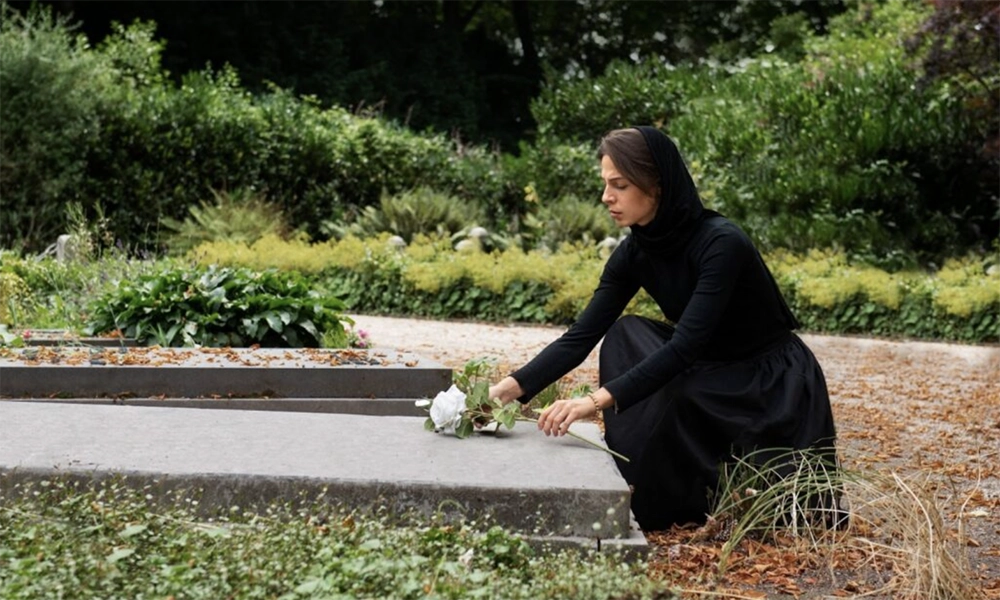
There’s something irreplaceable about physical presence. Cemetery memorials give grief an address. You can drive there, walk familiar paths, rest your hand against sun-warmed stone. This tangible connection steadies you when memories feel like they’re slipping away.
Cultural traditions around honoring loved ones vary dramatically, and respectful cemeteries make room for all of them. Annual graveside celebrations with music and food. Quiet dawn visits with coffee and conversation. Elaborate Day of the Dead altars or simple flowers placed weekly. Your tradition deserves space without judgment.
Finding Company in Shared Sorrow
Something unexpected happens in memorial spaces, strangers recognize each other. Parents mourning children exchange knowing glances across pathways. Veterans gather at military sections each Memorial Day, connected by service and sacrifice. These wordless moments of acknowledgment remind you: this impossible journey has fellow travelers.
You’re not alone, even when loneliness feels absolute.
Modern cemeteries are responding to these emotional needs with remarkable creativity, blending centuries-old traditions with innovations our grandparents couldn’t have imagined.
What Makes Today’s Memorial Spaces Different
Contemporary memorial spaces are rethinking everything. Designers, counselors, and community planners collaborate to create environments that serve the living while honoring the dead. The results genuinely surprise people expecting traditional cemetery conventions.
Celebrating Individuals, Not Categories
Cookie-cutter memorials are disappearing. Cemetery memorials now tell specific stories. Custom sculptures depicting beloved hobbies, a ceramic artist’s wheel, a pilot’s propeller, a gardener’s trowel. Some sections welcome vibrant flowers that would’ve horrified traditionalists. These personalized details transform generic real estate into narrative landscapes where individual lives stay vivid.
Digital Memory Meets Physical Space
Technology is revolutionizing remembrance without diminishing its intimacy. Scan a QR code and watch video tributes compiled by family. Virtual tours bring distant relatives to gravesites they can’t physically visit. Emerging augmented reality features might soon overlay historical photographs onto present-day scenes, connecting past and present.
Returning to Earth, Literally
Environmental consciousness is fundamentally changing burial practices. Natural sections eliminate embalming chemicals and concrete vaults. Caskets crafted from bamboo, willow, or cardboard return completely to soil. Memorial forests grow above biodegradable urns, creating living tributes that sequester carbon and shelter wildlife. Current research shows approximately 54% of Americans now consider green burial options as climate awareness expands.
With abundant choices available, selecting meaningful memorial spaces becomes both privilege and responsibility, an opportunity to craft legacies that authentically honor unique lives.
Creative Approaches Beyond Standard Monuments
The importance of cemeteries as community anchors is getting rediscovered. These aren’t isolated, morbid locations to avoid. They’re becoming venues for life-affirming gatherings throughout the year. Candlelight vigils mark anniversaries. Memorial scholarship funds launch annual fundraisers. Community remembrance walks bring neighbors together, transforming individual grief into collective healing.
Families are finding inventive ways to keep memories active. Endowed benches line walking paths, offering rest and reflection. Solar lighting illuminates significant graves after sunset. Charitable foundations established in loved ones’ names create ongoing impact. These approaches ensure memories remain dynamic across generations rather than fading into silent stone.
Meaningful tributes work best when paired with visiting experiences that comfort rather than sadden, connecting you deeply with those you’ve lost.
Making Cemetery Visits Truly Meaningful
Building Your Personal Rituals
Rituals anchor grief in manageable routines. Some families pack picnics, sharing lunch and stories beside graves. Others leave small meaningful objects, pennies for luck, seashells from vacations, favorite candies. Including children teaches them that death, while sad, is natural, not something requiring fear or avoidance.
Unexpected Services Modern Locations Provide
Today’s cemeteries offer amenities that genuinely help. Secluded meditation gardens provide privacy for difficult moments. Weather-protected chapels host services regardless of conditions. Professional grief counselors facilitate support groups right onsite. These services recognize that honoring loved ones requires sustained support, not just single-event assistance.
The choices you make today about memorial spaces will echo forward, shaping how future generations understand legacy, continuity, and community responsibility.
Building Bridges to Tomorrow
Cemeteries function as outdoor classrooms where younger generations learn perspective. Children reading headstones spanning three centuries grasp their place in something vast and continuing. These landscapes document immigration patterns, war’s cost, epidemic impacts, history lessons without textbooks or tests.
The importance of cemeteries for civic identity runs deeper than most realize. They’re where communities acknowledge collective pasts while building shared futures. That connection matters enormously for social cohesion.
Moving Forward While Looking Back
Memorial spaces and cemeteries will always anchor how we process loss and celebrate lives well-lived. The importance of cemeteries reaches beyond practical necessity, they’re intersection points where private sorrow meets communal support, where individual narratives weave into collective history.
When you’re considering how to honor someone precious, remember this: thoughtfully chosen final resting places create ripples extending through generations. Select spaces reflecting their values, accommodating your family’s needs, and enriching your community’s shared fabric.
Common Questions About Memorial Spaces
What personalization options exist in contemporary cemeteries?
You’ll find custom-designed monuments, engraved memorial benches, living tree tributes, and digital legacy features like QR-linked memorial pages. Today’s options let you create remembrance spaces reflecting authentic personalities rather than following rigid templates.
How does technology enhance lasting tributes?
QR codes bridge physical monuments to online galleries filled with photos, videos, and stories. Virtual reality enables distant relatives to “visit” remotely. Some locations livestream services so geography doesn’t exclude anyone from participating.
Do cemeteries provide grief counseling?
Many modern cemeteries employ licensed grief counselors, organize support groups, and host remembrance events year-round. These services acknowledge healing as an ongoing process requiring sustained community support.
- About the Author
- Latest Posts

Our Editorial Team are writers and experts in their field. Their views and opinions may not always be the views of Wellbeing Magazine. If you are under the direction of medical supervision please speak to your doctor or therapist before following the advice and recommendations in these articles.