Hypertension is one of the most common health conditions worldwide, yet it often develops quietly. You may feel completely normal while your arteries are under increasing strain. Over time, that strain can raise your risk of heart disease, stroke, kidney damage, and other serious complications. Because symptoms are not always obvious, it’s unfortunately easy to underestimate how daily habits influence your blood pressure.
If you have been diagnosed with hypertension, or if your readings are starting to climb, medication may be part of your treatment plan. Even then, lifestyle choices remain central to managing the condition. The way you eat, move, sleep, and handle stress directly affects how hard your heart must work to circulate blood. These influences are measurable and, in many cases, within your control.
Rather than focusing on extreme measures to manage your blood pressure, it is more effective to make consistent adjustments that fit into your daily routine. Understanding which changes matter most can help you move forward with a clear head. The following strategies can help you support healthier blood pressure levels and protect your cardiovascular health over the long term.
Learn to Monitor Your Blood Pressure at Home
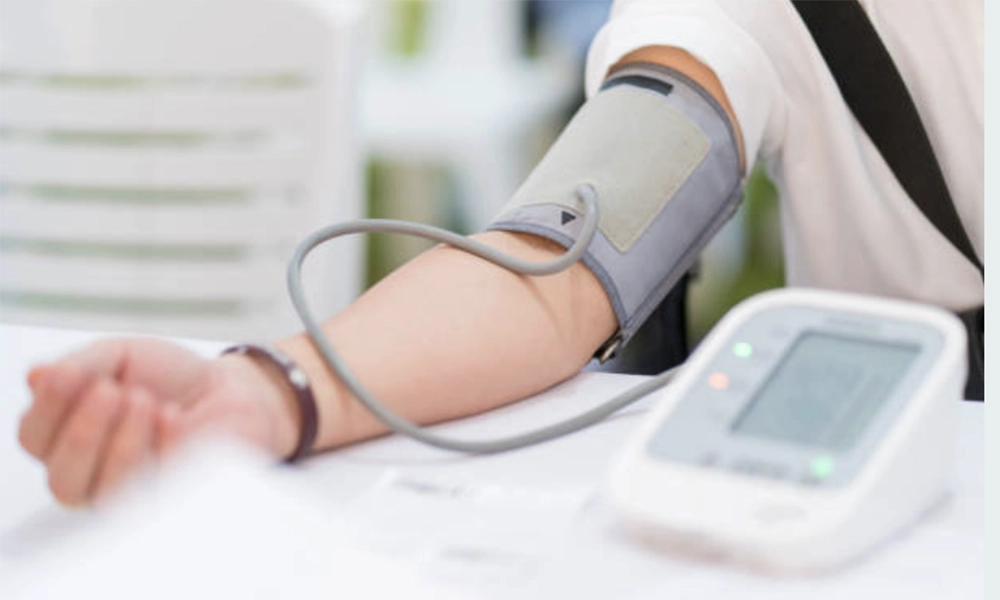
Your blood pressure readings in the doctor’s office offer useful information, but they provide only a snapshot of your numbers. Using a blood pressure monitor designed for home use allows you to observe patterns across different days and situations. With regular monitoring, you can clearly see how lifestyle adjustments are working and help identify changes early.
When measuring at home, sit quietly for several minutes beforehand, keep your back supported and your feet flat on the floor, and position the cuff at heart level. Record your readings with the date and time, and share the details with your healthcare provider during appointments. Keep yourself informed about your numbers and you’ll come away with a clearer understanding of your progress, as well as a stronger role in managing your own health.
Improve the Quality of Your Diet
Take a moment to think about what typically fills your plate on a busy weekday. Processed meals, packaged snacks, and restaurant foods are convenient, but they often contain high amounts of sodium, unhealthy fats, and refined carbohydrates. Over time, these can contribute to stiffening of the arteries and increased pressure within blood vessels.
A shift toward meals built around vegetables, fruits, whole grains, lean proteins, and low-fat dairy can help improve vascular function and support more stable blood pressure. You don’t even need to overhaul everything at once. Start by adding an extra serving of vegetables to dinner or replacing refined grains with whole grains. Gradual changes are easier to make and sustain, and consistency is what ultimately supports healthier blood pressure.
Commit to Regular Physical Activity
Your heart is a muscle, and like any muscle, it becomes more efficient with regular use. When you move consistently, your heart can pump blood with less effort, reducing the force exerted on your arteries. The best part is you don’t need high-intensity workouts to see benefits. Moderate aerobic activities such as brisk walking, cycling, swimming, or dancing for at least 30 minutes for 5 to 6 days a week can already significantly improve cardiovascular health. Add in light strength training twice or thrice a week to further support healthy circulation and metabolic balance. What matters most is making movement a regular part of your routine rather than an occasional effort.
Limit Alcohol Consumption
While one drink at dinner or during social events may seem harmless, your intake can increase gradually without much notice. Alcohol affects blood pressure in several ways, including stimulating the nervous system and altering fluid balance. Aside from raising your blood pressure, regular or excessive drinking can also reduce the effectiveness of certain medications.
For most adults, moderation generally means up to one drink per day for women and up to two for men, though your healthcare provider may recommend stricter limits or even complete abstention based on your medical history. Pay attention to portion sizes and track how often you drink to make staying within healthier boundaries easier. Keeping alcohol consumption in check protects not only your blood pressure but also your overall cardiovascular health.
Manage Stress More Intentionally
Work deadlines, family responsibilities, and financial pressures can create a steady undercurrent of tension that feels difficult to escape. When you experience stress, your body releases hormones that temporarily increase heart rate and constrict blood vessels. While occasional spikes are normal, chronic stress may contribute to sustained elevations in blood pressure.
You can interrupt this cycle by developing structured ways to unwind. Deep breathing exercises, mindfulness practices, regular physical activity, and setting aside time for rest can all help regulate your stress response. If stress feels overwhelming and no method seems to work, speaking with a counselor or healthcare professional may provide valuable support.
Prioritize Consistent, Restorative Sleep
The hours you spend asleep play an active role in regulating blood pressure. During healthy sleep, your heart rate slows and blood pressure naturally dips, which gives your cardiovascular system time to recover. That restorative phase may not occur when your sleep is short or frequently interrupted. Over time, poor sleep patterns can contribute to persistent hypertension.
Aim for seven to nine hours of sleep each night, and maintain a consistent bedtime and wake time whenever possible. Improve your sleep quality further by setting up a dark, quiet, and comfortable sleep environment. Consider discussing possible sleep apnea with your healthcare provider if you snore loudly or wake feeling unrefreshed.
In the end, no single dramatic lifestyle change will lower high blood pressure. Instead, healthy levels come from steady, intentional choices that strengthen your heart and support healthier blood vessels over time. The good habits you commit to today can shape your cardiovascular health for years to come.
- About the Author
- Latest Posts

Our Editorial Team are writers and experts in their field. Their views and opinions may not always be the views of Wellbeing Magazine. If you are under the direction of medical supervision please speak to your doctor or therapist before following the advice and recommendations in these articles.