Lead glasses play a key role in shielding the eyes from X-ray scatter in dental and medical settings. Designed with specialized leaded lenses, these X-ray glasses help minimize the cumulative radiation dose experienced by staff over many procedures. Understanding their function and limitations is essential for maintaining long-term occupational eye health, and radiation eyewear is often a core part of that strategy.
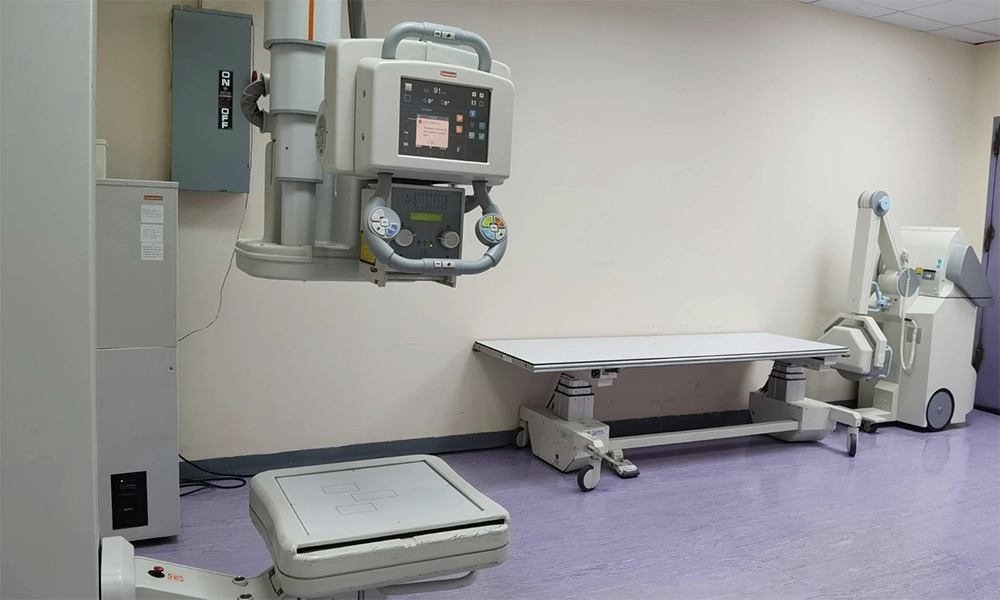
Exposure to X-ray radiation poses particular risks to the eyes, especially for professionals who assist with imaging procedures daily. The cumulative impact can be significant over a career, making protective measures vital. Incorporating the use of x-ray glasses into routine practice, alongside other shielding methods, is critical to protecting staff from the long-term effects of scatter radiation during dental or medical procedures.
The Science Behind Lead Glasses
Lead glasses are specifically engineered to absorb scatter X-ray radiation before it reaches the sensitive lens of the eye. The lenses incorporate lead, a material known for its ability to attenuate ionizing radiation, thereby reducing the amount that passes through to the eye. These xray vision glasses are especially valuable in environments where repeated low-dose exposure occurs, such as during dental bitewing x-rays or interventional radiology procedures where X-ray glasses are used routinely.
Key to understanding the function if xray vision glasses is the concept of lead equivalency, generally measured in millimeters of lead (mm Pb). This specification indicates how much scatter radiation the radiation glasses can block relative to solid lead. Most medical and dental lead glasses are crafted with a lead equivalency of 0.5 mm Pb, which is sufficient for typical scatter encountered in routine imaging environments. Choosing the appropriate level ensures wearer safety without unnecessary weight or discomfort, and helps teams standardize radiation eyewear across work areas.
The manufacturing process of x-ray glasses involves incorporating lead oxide into the optical material, creating a transparent barrier that maintains visual clarity while providing radiation attenuation. Modern advances have enabled manufacturers to produce lighter-weight options that distribute lead more efficiently throughout the lens, reducing strain on the wearer during extended procedures. The thickness and composition of the lenses are carefully calibrated to balance protection levels with practical wearability, ensuring that professionals can perform their duties comfortably while maintaining adequate shielding against scatter radiation throughout their workday.
Eye Health Risks and the Need for Protection
The lens of the eye is renowned for its sensitivity to radiation, with long-term exposure linked to conditions like radiation-induced cataracts. Dental staff and healthcare professionals working near X-ray systems often face repeated exposure, increasing their risk over time. Even when doses per procedure are minimal, the cumulative effect is a key concern that underscores the need for reliable radiation protection such as X-ray glasses.
Effective shielding not only includes consistent use of X-ray glasses but also the adoption of other protective practices. Positioning away from the primary scatter field, using physical barriers and minimizing time spent near active equipment are critical habits. For example, a dental hygienist who wears xray vision glasses and maintains safe positioning during each procedure greatly decreases their annual risk of eye complications from scatter radiation.
Research has demonstrated that radiation-induced cataracts can develop at lower dose thresholds than previously understood, with some studies suggesting there may be no truly safe minimum exposure level. This finding has heightened awareness within the medical and dental communities about the importance of protective measures from the earliest stages of a career. Young professionals entering fields with routine X-ray exposure should prioritize establishing protective habits immediately, as the latency period for radiation-related eye damage can span decades, making early prevention by using xray vision glasses far more effective than attempting to mitigate damage after symptoms appear, especially when radiation eyewear is used consistently.
Choosing and Using Lead Glasses Effectively
The performance of lead glasses in practice depends on several factors, including the design, fit and coverage. Wraparound styles or radiation eyewear with side shields are preferred because they protect against radiation approaching from various angles, not just head-on. A proper fit helps prevent gaps through which scatter might reach the eye, enhancing overall protection.
Regular inspection and replacement of worn or damaged radiation eyewear also play an important role in maintaining their effectiveness. Clinicians and staff should select xray vision glasses that not only offer the correct lead equivalency but are comfortable for extended wear, supporting consistent use. Combined with protocols that encourage wearing xray vision glasses during all situations involving X-rays, this approach addresses the cumulative risks and upholds staff wellbeing.
Training staff on the proper care and maintenance of lead radiation eyewear extends their protective lifespan and ensures consistent performance. Cleaning should be performed with appropriate non-abrasive solutions to avoid scratching the lenses, which can compromise both visibility and structural integrity. Storage in protective cases when not in use prevents accidental damage, while periodic professional testing of lead equivalency can verify that the glasses continue to meet safety standards. Facilities should establish replacement schedules for x-ray glasses based on manufacturer recommendations and usage intensity, recognizing that investment in quality protective radiation eyewear represents a cost-effective strategy for preventing long-term occupational health issues among valued staff members.
- About the Author
- Latest Posts

Our Editorial Team are writers and experts in their field. Their views and opinions may not always be the views of Wellbeing Magazine. If you are under the direction of medical supervision please speak to your doctor or therapist before following the advice and recommendations in these articles.