
Overcoming Anxiety During Dental Procedures for a Calm Visit
According to the American Dental Association's 2023 patient survey data, nearly 36% of adults experience some level of dental anxiety, with 12% reporting…
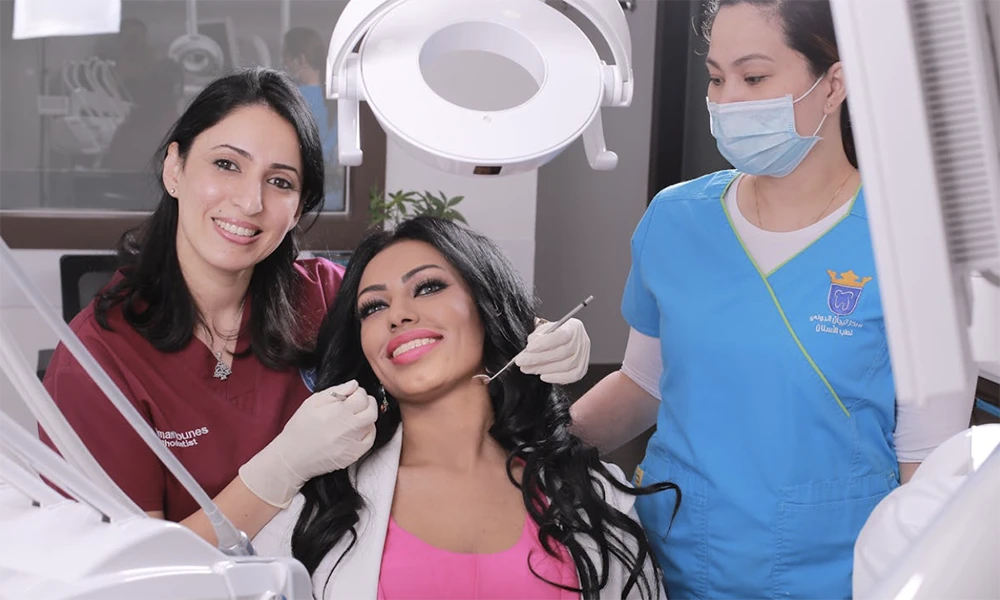
According to the American Dental Association's 2023 patient survey data, nearly 36% of adults experience some level of dental anxiety, with 12% reporting severe fear that causes them to delay or avoid necessary treatment entirely. As dental practices increasingly recognize anxiety as a significant barrier to oral health, the conversation has shifted from simply managing fearful patients to actively preventing anxiety before it derails treatment plans. This matters because dental anxiety creates a cascading cycle: fear leads to avoidance, avoidance leads to deteriorating oral health, and worsening conditions make future visits even more intimidating.
The stakes extend far beyond momentary discomfort. When anxiety prevents regular care, minor issues become major problems requiring more invasive procedures — exactly what anxious patients fear most. Yet understanding why anxiety occurs and how both patients and dental teams can address it opens pathways to calmer, more successful dental experiences that break this cycle entirely.
Why Does Anxiety Occur During Dental Procedures and How Does It Affect Oral Health?
Dental anxiety rarely emerges from a single source. Instead, it typically develops from a combination of psychological, physical, and environmental factors that compound over time. Past traumatic dental experiences — particularly during childhood — create lasting associations between dental settings and pain or helplessness. The perceived loss of control while lying in a dental chair, unable to see what's happening or speak clearly, triggers anxiety in many patients who otherwise function confidently in daily life.
Physical triggers play an equally important role. The sounds of dental instruments, especially high-pitched drilling, activate primitive fear responses in the brain. The clinical smell of dental offices, bright overhead lights, and the sensation of instruments in the mouth can overwhelm patients before any actual discomfort begins. For some, the anticipation of pain proves more distressing than actual procedures, creating a psychological spiral that intensifies with each approaching appointment.
The impact on oral health becomes devastating when anxiety drives avoidance. Patients who postpone routine cleanings due to fear often face more complex problems when they finally seek care. What might have been a simple filling becomes a root canal or extraction. Minor gum inflammation progresses to periodontal disease requiring surgical intervention. This progression validates the original fears — creating a self-fulfilling prophecy where dental visits become increasingly invasive and uncomfortable.
Research indicates that dental anxiety correlates directly with poorer oral health outcomes across all age groups. Adults with severe dental anxiety report significantly higher rates of tooth loss, advanced decay, and emergency dental visits compared to patients who receive regular preventive care. The economic costs multiply as well, with emergency treatments often costing three to five times more than preventive interventions would have required.
How Can Dentists and Dental Offices Help Reduce Anxiety?
The most effective anxiety management often begins before patients even sit in the dental chair. Progressive dental practices recognize that addressing fear requires intentional strategies woven throughout the entire patient experience, from initial phone contact through post-treatment follow-up.
Effective Communication and Building Patient Trust
Communication techniques that work for anxious patients differ significantly from standard dental interactions. Effective practitioners begin by acknowledging the patient's anxiety directly rather than dismissing or minimizing it. Phrases like "I understand this feels overwhelming" validate the patient's experience while establishing the dentist as an ally rather than another source of stress.
Explaining procedures in advance — using clear, non-technical language — helps patients regain some sense of control. Rather than simply announcing "we're going to start the procedure," skilled dentists describe each step: "First, you'll feel a small pinch as we numb the area. Then you'll hear the drill, but you shouldn't feel anything sharp." This predictability reduces the fear of the unknown that amplifies anxiety.
Establishing stop signals empowers patients during treatment. Whether raising a hand or making a specific gesture, knowing they can pause the procedure at any time provides psychological relief even when patients never actually use the signal. Many practitioners also use continuous verbal check-ins, asking "How are you feeling?" at regular intervals to maintain connection and trust throughout the appointment.
Designing a Calming Dental Environment
The physical environment significantly influences patient anxiety levels, often before conscious awareness kicks in. Successful anxiety-reducing dental offices pay attention to sensory details that traditional practices might overlook. Soft background music, warm lighting instead of harsh fluorescents, and comfortable reception areas with natural elements like plants help create a welcoming rather than clinical atmosphere.
Temperature control matters more than many practices realize. Anxious patients often feel cold due to stress responses, so maintaining warmth in treatment rooms and offering blankets demonstrates thoughtful care. Some practices use aromatherapy with calming scents like lavender, though this requires careful consideration of patient sensitivities and preferences.
Staff training extends beyond technical skills to include anxiety recognition and response. Reception team members who greet patients warmly, dental assistants who explain what they're preparing, and hygienists who work at a pace that accommodates nervous patients all contribute to an environment where anxiety can diminish rather than escalate. The goal becomes making dental visits feel more like healthcare and less like an ordeal to endure.
What Psychological and Behavioral Techniques Help Manage Dental Anxiety?
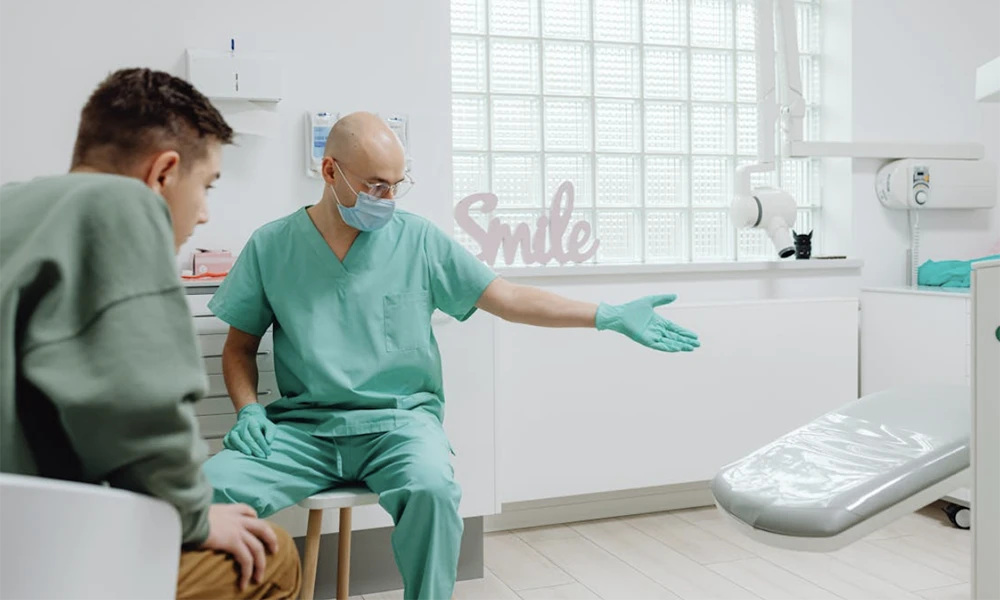
Non-pharmacological anxiety management techniques offer patients tools they can use independently while complementing clinical treatments. These approaches work by interrupting the cycle between anxious thoughts and physical stress responses, giving patients active strategies rather than passive endurance.
Deep breathing techniques provide immediate anxiety relief that patients can implement during dental procedures. The 4-7-8 breathing pattern — inhaling for four counts, holding for seven, and exhaling for eight — activates the parasympathetic nervous system and counters the fight-or-flight response that dental anxiety triggers. Patients can practice this technique in the waiting room and continue using it throughout their appointment.
Progressive muscle relaxation helps anxious patients distinguish between tension and relaxation in their bodies. Starting with toes and working systematically upward, patients consciously tense and then release each muscle group. This technique proves especially valuable for patients who carry stress physically, arriving at dental appointments already tense from anticipation.
Visualization and guided imagery redirect attention away from dental procedures toward calming mental scenarios. Patients might imagine themselves at a peaceful beach, focusing on sensory details like warm sand and ocean sounds while dental work proceeds. Some dental offices provide guided imagery recordings through headphones, allowing patients to mentally "leave" the dental chair during treatment.
Cognitive behavioral approaches address the thought patterns that fuel dental anxiety. Many patients catastrophize potential outcomes, imagining worst-case scenarios that far exceed likely realities. Learning to identify and challenge these thoughts — asking "What evidence supports this fear?" or "What's the most realistic outcome?" — helps patients approach dental visits with more balanced perspectives.
For patients with severe anxiety, systematic desensitization gradually builds comfort with dental settings. This might begin with simply sitting in a dental chair during a consultation, progressing to having instruments placed in the mouth without activation, and eventually building tolerance for actual procedures. Combined with gentle sedation dentistry, this approach helps patients who might otherwise avoid dental care entirely develop coping mechanisms for future visits.
Distraction techniques engage the conscious mind during dental procedures, reducing focus on potentially anxiety-provoking sensations. Listening to music, podcasts, or audiobooks through headphones gives the mind alternative focal points. Some patients prefer mental exercises like counting backward from 100 by sevens or mentally reviewing favorite movie plots. The key lies in finding activities engaging enough to compete with anxiety for mental attention.
What Sedation and Pharmacological Options Are Available for Anxious Patients?
When psychological techniques alone prove insufficient, sedation dentistry provides medical interventions that allow anxious patients to receive necessary dental care comfortably. Modern sedation options range from minimal relaxation to deeper sedation levels, with selection depending on anxiety severity, procedure complexity, and individual patient factors.
Common Sedation Methods in Dentistry
Nitrous oxide, commonly known as laughing gas, remains the most frequently used sedation method for dental anxiety. Administered through a nasal mask, nitrous oxide provides rapid onset of relaxation without completely eliminating consciousness. Patients remain responsive to verbal commands and can breathe normally, while anxiety diminishes significantly. The effects reverse quickly once the gas flow stops, allowing patients to drive home after shorter procedures.
Oral sedation involves taking prescribed medications, typically benzodiazepines like lorazepam or triazolam, before dental appointments. This approach works well for patients with moderate anxiety who prefer not to have intravenous access. Oral sedation creates deeper relaxation than nitrous oxide, though onset time requires careful planning — medications typically need to be taken 30-60 minutes before procedures begin.
Intravenous (IV) sedation provides the most precise control over sedation levels during longer or more complex procedures. Through a small IV line, medications can be adjusted throughout treatment to maintain optimal comfort levels. Patients remain conscious but deeply relaxed, with many reporting little to no memory of the procedure afterward. IV sedation requires additional monitoring and recovery time, but offers the highest success rate for severe dental anxiety.
Advances in Pharmacological and Anesthetic Technologies
Computer-controlled local anesthetic delivery systems represent significant advances in reducing injection-related anxiety. These systems, such as The Wand or DentalVibe, deliver anesthetic at controlled rates that minimize tissue distortion and reduce injection pain. The slower, more consistent delivery feels dramatically different from traditional injections, often eliminating the sharp pinch that many patients fear most.
Topical anesthetic improvements now provide more effective numbing before injections begin. Modern formulations penetrate tissue more effectively and work faster than older versions, reducing or eliminating the sensation of needle insertion. Some practices use vibrating devices or cold therapy alongside topical anesthetics to further reduce injection discomfort through gate control theory — competing sensations that interrupt pain signals to the brain.
Electronic anesthesia devices use electrical stimulation to block pain signals without traditional injections. While not yet widely available, these systems show promise for patients with severe injection phobias or those allergic to traditional local anesthetics. The technology continues evolving, with newer units becoming more user-friendly and effective for various dental procedures.
Advances in sedation monitoring ensure patient safety while expanding access to comfort options. Capnography monitoring, which tracks carbon dioxide levels in exhaled breath, provides real-time feedback about respiratory function during sedation. This enhanced monitoring capability allows practices to offer deeper sedation more safely, expanding options for patients who previously might have been referred to hospital settings for dental care.
The integration of these technological advances with traditional anxiety management creates comprehensive approaches that address both the psychological and physical aspects of dental fear. Understanding available options empowers patients to work with their dental teams in developing personalized strategies that transform dental visits from ordeals into manageable healthcare experiences. For many, discovering that comfortable dental care is possible becomes the first step toward breaking the cycle of anxiety and avoidance that compromises long-term oral health.
Filed underAnxiety, Stress & burnout, Dental, Rest & rejuvenation, Calm