Wellness used to sound like a project people started loudly every January and quietly abandoned by March. Strict meal plans covered the fridge for two weeks, expensive supplements piled up near the coffee machine, and somebody suddenly decided waking up before sunrise would completely transform their life. Modern wellness culture pushed intensity hard for a long time. Everything needed to feel optimized, disciplined, perfectly tracked, and aggressively productive. Eventually, a lot of people got tired of treating everyday life like a nonstop self-improvement competition.
Now the mood feels different. More adults are looking for routines that actually survive regular life instead of collapsing the second work gets stressful, or schedules become chaotic. Someone may still care about energy, sleep, focus, or healthier habits, but they no longer want wellness to feel like managing a second full-time job.
Simple Products
One interesting thing happening in wellness right now is how many people are stepping away from giant “starter kits” filled with twenty products they barely understand. Consumers are becoming much more selective because they have realized complicated routines often create mental clutter instead of actual balance.
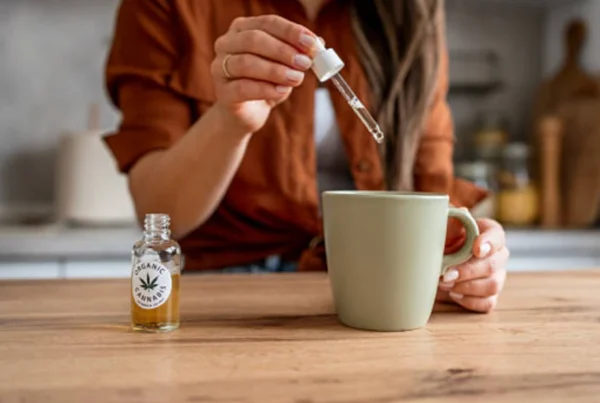
Most adults now prefer products that go well with routines they already have instead of forcing dramatic lifestyle changes overnight. Somebody wants a morning routine that still works during a busy Tuesday, not only during perfectly organized weekends. People are exhausted from constantly chasing highly curated systems promising complete transformation every thirty days. Wellness started moving toward practicality because real life rarely stays stable long enough for overly rigid habits to survive comfortably. Products like shilajit are being incorporated into daily routines, given their convenience. Interest in things like premium shilajit live resin is rising because many consumers now want wellness habits that feel easy to fold into ordinary routines instead of building their entire day around complicated systems.
Sustainable Wellness Habits
Extreme wellness habits usually collapse under normal life pressure. A person may follow an intense meal prep routine for two weeks until late work meetings appear, travel happens, or family schedules become chaotic. Then the entire routine disappears because it depended too heavily on perfect conditions.
Sustainable wellness works differently. Instead of demanding dramatic changes instantly, people are building routines flexible enough to survive imperfect weeks, too. Someone may walk every evening without obsessing over step counts. Another person starts preparing simpler meals at home a few nights a week instead of following restrictive food rules constantly. Wellness is becoming less theatrical and much more adaptable.
Lifestyle Balance Over Intensity
A lot of wellness culture used to reward intensity, almost like a badge of honor. The earliest wake-up time wins. The hardest workout won. The strictest diet won. Rest often sounded suspicious, and slowing down felt lazy instead of reasonable. Eventually, many adults realized they were technically “healthy” while feeling mentally exhausted all the time.
Balance started sounding more attractive than constant pressure. Someone may still exercise consistently without turning fitness into punishment. Another person prioritizes enough sleep instead of forcing productivity every waking hour. Even food conversations feel calmer in many spaces now because people are tired of swinging between extremes constantly.
Mental Overload and Simpler Wellness
Mental overload is quietly shaping modern wellness trends more than many people realize. People already spend entire days juggling notifications, deadlines, digital distractions, financial stress, and nonstop information. Adding highly complicated wellness routines on top of that often makes life feel heavier instead of healthier.
Given this, simpler approaches suddenly feel refreshing. A person may stop tracking every calorie because constant monitoring becomes emotionally draining. Someone else replaces complicated supplement schedules with fewer products they actually remember using consistently. Wellness routines are becoming emotionally lighter because people want habits supporting calm rather than creating another category of stress.
Sustainable Self-Care Practices
A few years ago, wellness culture often turned self-care into elaborate routines requiring expensive products, complicated schedules, perfectly arranged spaces, and hours of uninterrupted time many adults simply do not have regularly. This version of wellness looked polished online yet felt difficult to maintain once normal responsibilities entered the picture.
Now, self-care looks much more ordinary for many people, and honestly, that is probably why it lasts longer. Someone spends ten quiet minutes outside before work instead of forcing a two-hour “morning optimization” routine. Another person prioritizes cooking familiar meals during busy weeks instead of attempting complicated health trends they secretly dread following. Sustainable self-care became appealing because it works in actual life instead of demanding that life revolve around it constantly.
Everyday Functionality and Comfort
A noticeable change happening in wellness conversations is the focus on functionality instead of perfection. Many adults no longer define wellness through dramatic before-and-after transformations. They care more about whether daily life feels manageable. Energy during work matters. Comfort during errands matters. Feeling mentally steady during ordinary routines matters.
People increasingly value things that support everyday functionality instead of chasing impossible standards constantly. Someone wants enough energy to finish the workday without crashing mentally by dinner. Another person wants routines to help them sleep consistently or feel less physically drained after long screen-heavy days.
Easier Long-Term Wellness Routines
Many adults are finally admitting something wellness culture has ignored for years: difficult routines rarely survive long term unless someone structures their entire life around them. The stricter the system becomes, the faster it usually collapses once stress, travel, family responsibilities, or unexpected schedules interrupt it.
That realization is pushing people toward habits that feel easier to repeat consistently without needing perfect motivation constantly. Simpler meal habits, shorter workouts, quieter evenings, reduced screen overload, hydration routines, or basic sleep consistency often feel more sustainable than dramatic wellness resets requiring complete lifestyle overhauls overnight. Easier routines are becoming more respected because consistency now matters more to many people than intensity alone.
Realistic Wellness Approaches
Realistic wellness is slowly replacing fantasy wellness. That may be one of the biggest changes happening right now. People are becoming less interested in routines designed for influencers with endless free time and much more interested in habits fitting around work, family schedules, commuting, finances, and normal adult unpredictability.
A realistic wellness approach leaves room for imperfect days without turning them into personal failure. Someone can skip a workout without spiraling emotionally. Ordering takeout occasionally no longer destroys the entire week mentally. Missing one wellness habit does not suddenly erase every other healthy routine already in place. That softer mindset is changing modern wellness culture because adults are exhausted from treating every decision like a test that they constantly risk failing.
Modern wellness is gradually moving away from intensity-driven routines and toward sustainability, emotional steadiness, and realistic daily balance. People increasingly want habits supporting ordinary life instead of controlling every part of it. Simpler products, calmer routines, flexible self-care, and practical wellness choices are gaining attention because they feel easier to maintain without creating constant pressure or mental overload along the way.
- About the Author
- Latest Posts

Our Editorial Team are writers and experts in their field. Their views and opinions may not always be the views of Wellbeing Magazine. If you are under the direction of medical supervision please speak to your doctor or therapist before following the advice and recommendations in these articles.