The demand for eye care services continues to grow as populations age, screen use increases, and awareness of eye health improves. Local communities are seeking accessible, high-quality eye clinics that can deliver accurate diagnoses and effective treatment. Responding to this demand is not simply about opening a clinic. It requires careful planning, understanding community needs, and equipping your practice with the right tools and systems.
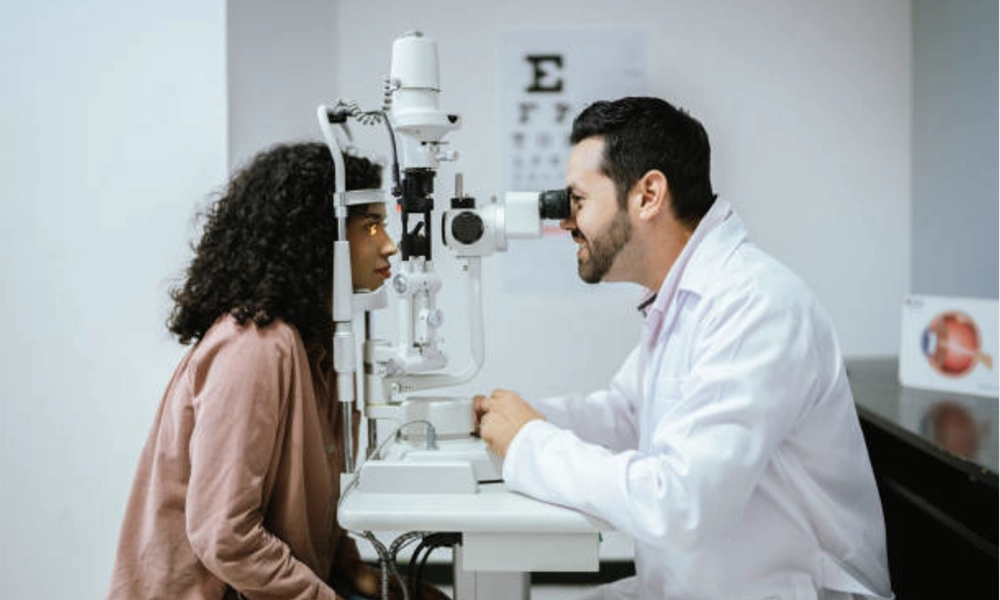
This guide explores practical steps to help you act on the rising demand for eye clinics in your area and build a service that is both sustainable and impactful.
Understanding Local Demand
Before taking any major steps, it is essential to assess the needs of your local area. Every community is different. Some may require more general eye testing services, while others may have a higher demand for specialized care such as glaucoma monitoring or paediatric eye care. Research can include reviewing population demographics, identifying gaps in existing services, and speaking with local healthcare providers.
Building a Strong Clinical Offering
Once demand is established, the next step is to define your services. A well-rounded clinic typically includes eye examinations, diagnostic imaging, and treatment options. Offering a mix of essential and advanced services can help attract a broader patient base.
Modern eye care increasingly relies on advanced diagnostic tools. Equipment, including fundus cameras, OCT scanners, and auto-refractors, enables clinicians to detect conditions earlier and provide more accurate care. High-quality tools not only improve outcomes but also enhance patient trust and clinic reputation.
Sourcing the Right Equipment
Choosing the right equipment is one of the most important decisions when setting up or expanding an eye clinic. Reliable and accurate instruments are essential for delivering high standards of care.
A trusted option is sourcing ophthalmic equipment from Shape Ophthalmics. They provide a wide range of tools for optometrists and ophthalmologists, from fundus cameras to lensmeters and OCT systems, designed to support accurate diagnosis and efficient practice workflows.
Choosing the Right Location
Location plays a major role in the success of an eye clinic. Accessibility is key. Clinics situated near residential areas, public transport links, or community centers tend to attract more patients. It is also important to consider competition. While being near other healthcare providers can be beneficial, oversaturation in a small area may limit growth. A balance between accessibility and market opportunity is ideal.
Hiring Skilled Professionals
Even the most advanced equipment cannot replace skilled professionals. Hiring qualified optometrists, ophthalmologists, and support staff is essential for delivering quality care. A strong team ensures accurate diagnoses, efficient patient flow, and a positive patient experience. Ongoing training is equally important, as eye care technology and treatment methods continue to evolve. Clinics that invest in staff development are better positioned to maintain high standards over time.
Creating a Patient-Centered Experience
Modern patients expect more than just clinical expertise. They value convenience, clear communication, and a comfortable environment. Simple improvements such as easy appointment booking, minimal waiting times, and clear explanations of procedures can significantly enhance patient satisfaction. Clinics that prioritize patient experience often benefit from repeat visits and positive word-of-mouth referrals.
Partnering with the Community
Building relationships within the local community can help establish trust and increase visibility. Partnering with schools, workplaces, and local organizations can create opportunities for outreach programs, screenings, and awareness campaigns. Community engagement not only helps attract patients but also reinforces the clinic’s role as a valuable local resource.
Meeting Demand with Purpose
Responding to the growing need for eye clinics is both a business opportunity and a chance to make a meaningful difference. However, success in this field comes from combining clinical excellence with thoughtful planning. When done right, an eye clinic becomes more than just a healthcare service. It becomes a trusted part of the community, helping people protect and improve one of their most vital senses.
- About the Author
- Latest Posts

Our Editorial Team are writers and experts in their field. Their views and opinions may not always be the views of Wellbeing Magazine. If you are under the direction of medical supervision please speak to your doctor or therapist before following the advice and recommendations in these articles.