Figuring out whether your toddler is “ready” for preschool can leave you second-guessing yourself. And while Colorado has made early education far more accessible in recent years, the big question remains the same: what does it actually take to set a child up for success on that first morning? Here are the areas that matter most, along with steps you can put into practice right away.
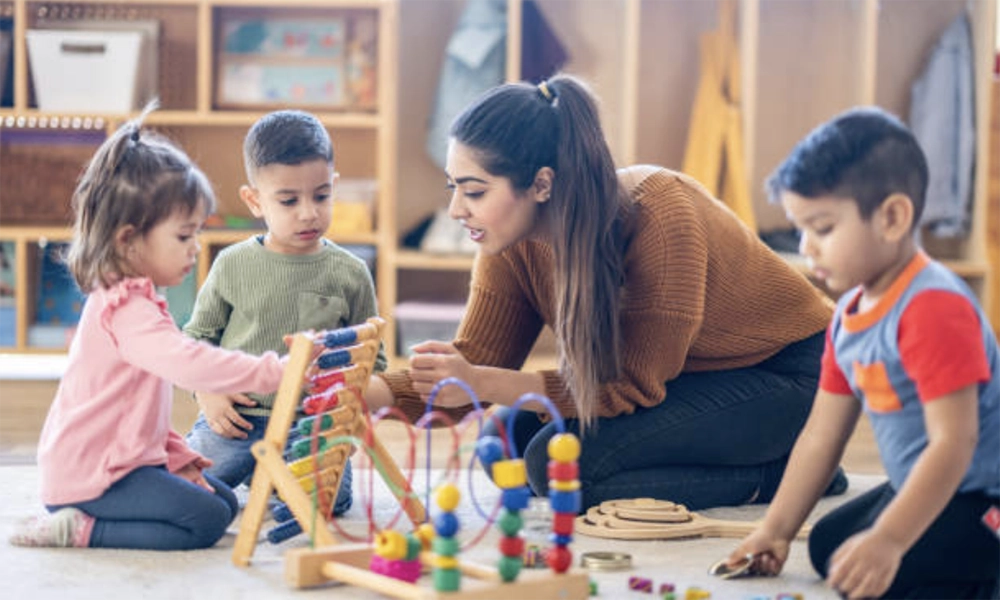
Building Social and Emotional Skills Early
A child who can share, take turns, and put a name to basic emotions has a major head start in a classroom setting. Emotional growth carries just as much weight as letter recognition or counting.
Low-pressure activities at home lay the groundwork for these skills. Playdates, park visits, and even baking cookies together give kids real chances to cooperate, follow short directions, and manage frustration. As you hunt for preschools in Parker, CO, look for those that offer play-based and nature-centered learning, both of which further build confidence organically. Programs rooted in outdoor exploration and hands-on activities tend to reinforce these emotional foundations well before kindergarten.
Getting Comfortable with Routines
Preschool moves on a set rhythm: circle time, snack, outdoor play, rest, repeat. Kids who already follow a loose schedule at home tend to settle in quicker. Steady wake-up times, regular meals, and a short “quiet activity” block each afternoon all smooth the transition.
A straightforward morning sequence works well here: get dressed, eat breakfast, brush teeth, and grab a bag. Practicing that chain for even two weeks before the first day eases nerves for parent and child alike.
Encouraging Independence in Small Ways
Teachers spot the difference quickly when a child can pull on their own shoes, wash their hands unprompted, or pop open a lunch container. None of these require formal instruction. They come from daily repetition and supportive encouragement at home.
Offer toddlers a choice between two outfits. Let them pour water from a small pitcher or hang a jacket on a low hook. Each of these small tasks sharpens motor skills and self-trust in equal measure.
Strengthening Language and Literacy Basics
Reading aloud still stands as one of the single best ways to prepare a young child for preschool. And parents can start building this ability at home long before the classroom door opens.
Narrate daily errands out loud: label grocery items, point out colors during a walk, count the steps on a staircase. Swap yes-or-no questions for open-ended ones (“What do you think happens next?”). These brief exchanges grow vocabulary and nurture the verbal confidence children need in group settings.
Understanding Colorado’s Preschool Options
Colorado families have access to more choices now than at any point in the past. Colorado’s Universal Preschool Program comprises over 2,000 licensed providers statewide, spanning community-based centers, school-based programs, and home providers.
Look beyond location and price. Ask about staff-to-child ratios, daily schedules, time spent outdoors, and how the program supports new students through their first weeks. Visit at least two or three sites, and watch closely how teachers engage with children who are already enrolled.
Handling Separation Anxiety
Nearly every child (and quite a few parents) feels a wave of worry at drop-off. Short practice separations, like leaving a child with a trusted grandparent for an hour, gradually build comfort. On the real first morning, keep the goodbye warm but quick. A long, drawn-out farewell almost always deepens the tears.
A small parting ritual helps too. A secret handshake or a quick high-five gives a child one predictable anchor when everything else around them feels unfamiliar.
To Wrap Up
Preparing a child for preschool has less to do with flashcards and more to do with confidence, routine, and basic self-care habits. Begin with small daily practices at home, tour a handful of programs in person, and remember that readiness looks different for every kid. The aim is not a flawless first day; it is a steady foundation that strengthens with each passing week.
- About the Author
- Latest Posts

Our Editorial Team are writers and experts in their field. Their views and opinions may not always be the views of Wellbeing Magazine. If you are under the direction of medical supervision please speak to your doctor or therapist before following the advice and recommendations in these articles.