There is a version of plant-based eating that looks good on a shelf and reads differently on the back of the package. Oat milk thickened with xanthan gum. Cashew cheese that would fall apart without stabilizers holding it together. Almond spreads where the ingredient list runs long enough that you lose track of what you were originally trying to avoid. Most of it tastes fine, which is why the back of the label rarely gets a second look.
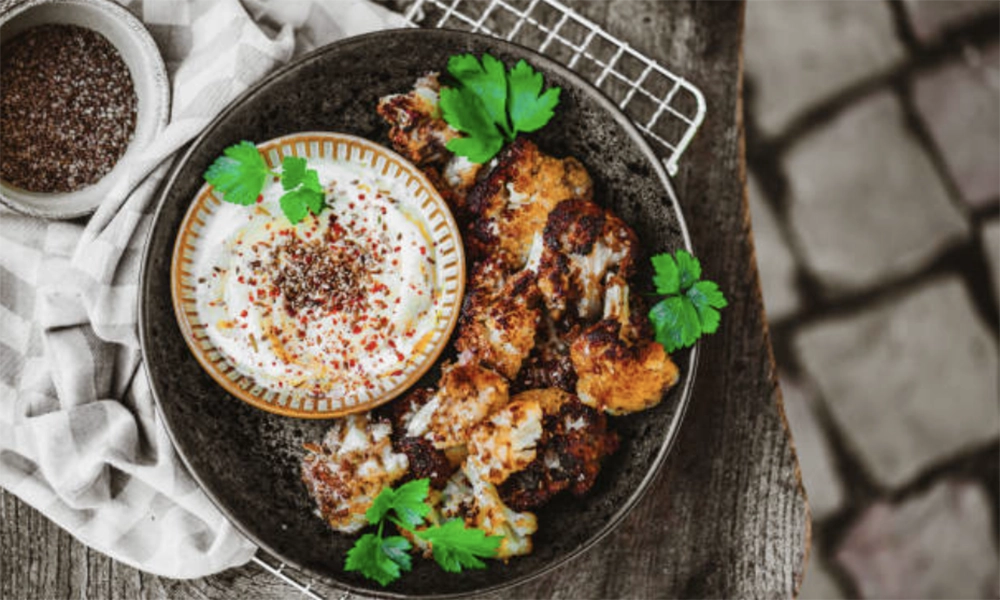
Starr Edwards started making almond-based dip at farmers markets in San Diego in 2010. Back then, people could walk up and ask her what was in it, and the answer was short: almonds, lemon juice, garlic, nutritional yeast, oil. No gum to stabilize it, nothing to extend the shelf life. That was not a strategic decision. It was just the recipe, and it stayed that way.
Making it that way at scale is genuinely harder than the alternative. Almonds are not a neutral base. Texture shifts between batches, and without something engineered to hold consistency, you have to check it by hand. Bitchin’ Sauce uses what it calls a sauce ramp, a physical process for testing viscosity at each production stage. It adds time. That is the deal.
That conviction has consequences in both directions. It limits how corners can be cut. It also produces something that genuinely does not read like most of what surrounds it on a refrigerated shelf.
What clean-label actually means in practice
The term “clean-label” gets used loosely. At a minimum it signals the absence of artificial additives, but in practice the line is drawn in very different places depending on who is drawing it. Some brands exclude artificial colors but keep synthetic emulsifiers. Others drop preservatives but add xanthan gum for texture stability. The tradeoffs are real and the consumer rarely has the context to evaluate them.
Bitchin’ Sauce does not use preservatives, stabilizers, or gums. Xanthan gum is out. So is soy sauce, and anything else on the additives list. The recipe from 2010 is the recipe now, which means if you buy it at Costco or Whole Foods or Kroger, the ingredient list is basically what Starr was handing out samples of at a farmers market fifteen years ago. It is in 15,000+ locations. The formula did not change to get there.
Keeping that intact at volume is where most brands break. Not dramatically, usually quietly. A stabilizer gets added because the batches got bigger. A preservative enters because the distribution window stretched. Each decision makes sense in isolation, and by the time the label has drifted, nobody is sure exactly when it happened. Bitchin’ Sauce hit $56M in peak annual revenue without going that route. The original recipe is unchanged.
Reading a plant-based label worth reading
Reading the back of a plant-based product gets easier once you know what the common additives are actually doing there.
Gums, xanthan being the most common, are texture stabilizers. They stop products from separating and make the consistency more predictable across batches. Not harmful, but their presence usually means the product needed help holding together, which says something about what the base ingredients are doing on their own.
Stabilizers work the same way. A product that separates in the fridge without them is not a defective product; it means nothing is compensating for natural ingredient behavior. You shake it or stir it and move on.
Preservatives are the other one to watch. A refrigerated product without them has a shorter window, which usually means tighter turnaround from production to shelf. The absence of them is a sourcing and logistics commitment, not just a label choice.
Bitchin’ Sauce has none of the above. The base is almonds, lemon juice, garlic, nutritional yeast, and oil. Almonds provide the fat and protein that give it body. The lemon and garlic do the actual flavor work. Nutritional yeast is where the savory depth comes from, along with B vitamins, and it replaces what soy usually handles in this category. Oil ties it together. Nothing in that list is there to compensate for a problem caused by something else on the list.
Twenty flavors from one base
Twenty-plus rotating flavors come out of that same almond base, from original to chihuahua to verde. One of them, Chi-Ghost-Le, started as a batch of chipotle that got made with ghost peppers by mistake. Someone tasted it and thought it was worth keeping, so it became a seasonal product instead of a waste batch. That is probably the most honest illustration of what a hands-on production environment looks like.
In 2026 the brand moved into a broader snacking format. Bitchin’ Chips are almond-oil tortilla chips. Salsacados™ is a roasted tomato salsa with avocado. There are two refrigerated bean dip flavors and a collaboration with The Good Crisp Company. The same no-additive logic carries across all of it.
Why it holds up at scale
Most brands that reach national retail have made some version of the ingredient trade-off by then. Starr Edwards’ Bitchin’ Sauce reached $56M in peak annual revenue and is now in major national retailers including Target, Sprouts, and Costco. The product in those stores has the same ingredient list it had at the San Diego farmers market. That combination is not the norm, and it is the part of the story that tends to get left out when people talk about the brand.
About Bitchin’ Sauce
Bitchin’ Sauce is a family-owned, Carlsbad, California-based brand founded in 2010 by Starr and Luke Edwards. The company pioneered the almond-based dip category and has grown from local farmers markets to national distribution in 15,000+ retail locations including Costco, Whole Foods, Sprouts, Target, and Kroger. Committed to clean-label manufacturing and industry-leading employee benefits, Bitchin’ Sauce remains a plant-based, better-for-you leader in the snacking category. Learn more at bitchinsauce.com.
- About the Author
- Latest Posts

Our Editorial Team are writers and experts in their field. Their views and opinions may not always be the views of Wellbeing Magazine. If you are under the direction of medical supervision please speak to your doctor or therapist before following the advice and recommendations in these articles.