Child care centers and daycare programs are designed to provide safe and supportive environments for children while parents work or manage daily responsibilities. Most caregivers genuinely care about children, but there are still situations where abuse or neglect can happen without immediate attention. One of the biggest challenges is that children often struggle to explain what they are experiencing. Instead of speaking directly about mistreatment, they may show emotional or behavioral changes. A child who suddenly becomes anxious, fearful, withdrawn, or angry may be trying to express discomfort. Some children may refuse to attend daycare, experience sleep problems, or become unusually quiet after spending time with certain caregivers. Paying attention to these warning signs can help adults identify problems before they become more serious. Early awareness can make a major difference in protecting children from long-term emotional harm.
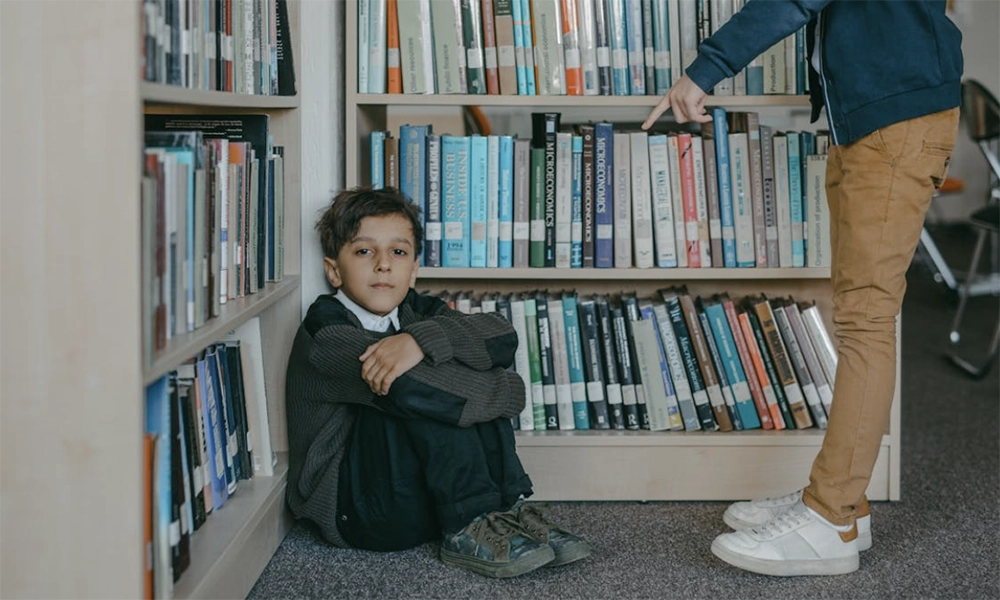
Image Source: Pexels
Why Open Communication Is Important
Healthy communication between parents, caregivers, and children is one of the strongest forms of protection. Parents should feel comfortable asking questions about daily routines, supervision, disciplinary methods, and safety procedures. Trust is important, but transparency is equally necessary when it comes to protecting children. Children should also feel safe talking about their experiences without fear of punishment or dismissal. Asking simple questions about their day can encourage open conversations and help parents notice unusual behavior patterns. When children know they are being listened to, they are more likely to express concerns if something feels wrong. Caregivers who welcome communication often create healthier environments because they understand the importance of accountability and teamwork with parents.
The Role of Proper Caregiver Training
Child care professionals handle significant responsibilities every day. Without proper training, stressful situations can sometimes lead to harmful reactions or neglectful behavior. This is why ongoing education and professional development are so important within child care settings. Training programs that focus on emotional regulation, child behavior, and positive discipline techniques can improve the quality of care children receive. Caregivers who understand childhood development are often better prepared to handle frustration calmly and responsibly. Facilities that invest in staff education, background checks, and regular evaluations usually create safer environments for children and families. When organizations prioritize training and accountability, they reduce the likelihood of harmful situations developing unnoticed.
Communities Can Help Protect Children
Protecting children should never fall entirely on parents alone. Communities also play an important role in creating safer environments for families. Schools, local organizations, and neighborhood programs can help spread awareness about child safety and encourage people to report concerns when necessary. Community support programs and educational workshops can teach parents what warning signs to look for and how to communicate effectively with caregivers. The more people openly discuss child safety, the more difficult it becomes for abuse or neglect to remain hidden. A strong community culture focused on protection and awareness can help reduce risks for vulnerable children.
Protecting children begins with awareness, communication, and stronger support systems within every caregiving environment. Focusing on childcare abuse can help families, caregivers, and communities recognize warning signs earlier and take action before emotional or physical harm becomes more serious. When parents stay involved, and child care providers prioritize safety and accountability, children are more likely to grow up in secure and supportive environments. Creating open conversations around child protection also encourages better education, stronger policies, and healthier relationships between families and caregivers. In the end, every effort made toward child safety can contribute to a more positive and protected future for children everywhere.
- About the Author
- Latest Posts

Our Editorial Team are writers and experts in their field. Their views and opinions may not always be the views of Wellbeing Magazine. If you are under the direction of medical supervision please speak to your doctor or therapist before following the advice and recommendations in these articles.