Good oral health starts in childhood. The habits children learn at a young age often stay with them as they grow older. That is why it is important for parents to help their children develop healthy dental routines as early as possible. Simple habits such as brushing twice a day, eating healthy foods, and visiting the dentist regularly can make a big difference in a child’s oral health.
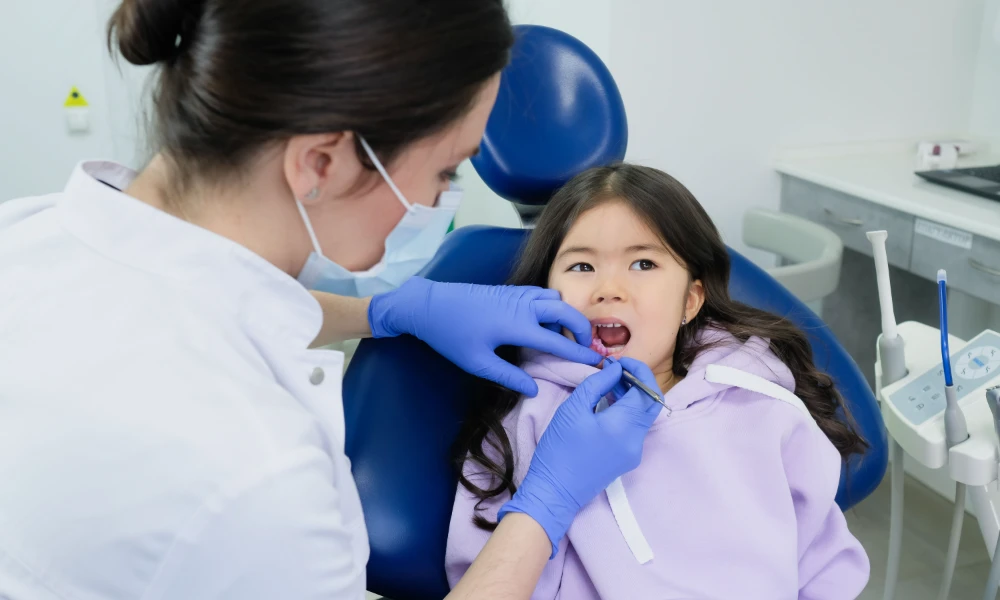
Many dental problems that affect adults can begin during childhood. Cavities, gum issues, and poor brushing habits can lead to bigger problems later in life. By teaching children how to care for their teeth from the beginning, parents can help reduce the risk of these issues and support healthy development.
Why Early Dental Care Matters
Dental care should begin long before a child loses their baby teeth. Many parents assume that baby teeth are not very important because they eventually fall out, but they play a major role in a child’s oral health. Baby teeth help children chew food properly, speak clearly, and create space for permanent teeth.
Starting dental care early also allows parents and dental professionals to spot potential problems before they become serious. Regular checkups can help identify issues such as tooth decay, alignment concerns, or unhealthy habits that may affect dental development.
For many families, the first dental appointment can feel unfamiliar. Learning a few first dental visit tips can help parents feel more prepared and make the experience easier for both the child and the family. A positive first visit can help children feel comfortable around dental professionals and reduce anxiety about future appointments.
Start Oral Care Early
Dental care does not have to wait until the first tooth appears. Gently cleaning a baby’s gums with a soft, damp cloth after meals is a simple way to begin. This simple step helps remove bacteria and introduces the idea of oral care from the start.
Once the first tooth appears, brushing should become part of the daily routine. Parents can use a small toothbrush with soft bristles to clean their baby’s teeth carefully. As more teeth come in, brushing should continue twice each day.
Choosing products that are suitable for a child’s age is also important. Toothbrushes and toothpaste designed for young children are often easier and safer to use. Parents should supervise brushing and help children learn the correct technique.
Make Brushing Fun
Children are more likely to enjoy brushing when it feels like a fun activity rather than a chore. Parents can make brushing time more engaging by using simple methods such as playing a favorite song, setting a timer, or creating a daily routine that children can follow easily.
Many children enjoy choosing their own toothbrushes. A toothbrush featuring a favorite color or character can make brushing more exciting. Small rewards for consistent brushing, such as stickers or praise, can also encourage children to stay motivated.
Parents can also brush alongside their children. Young children often learn by watching the adults around them. When they see family members brushing regularly, they are more likely to develop the same habit.
Encourage Healthy Eating
What children eat and drink can have a direct effect on their dental health. A balanced diet helps support strong teeth and healthy gums while reducing the risk of tooth decay. Parents can encourage good oral health by offering nutritious foods as part of their child’s daily meals and snacks.
Foods that are rich in vitamins and minerals can help support healthy teeth. Fresh fruits, vegetables, dairy products, and lean proteins are all good choices. Foods that require chewing, such as apples and carrots, can also help remove some food particles from the surface of the teeth.
Sugary snacks and drinks should be limited whenever possible. Candy, cookies, soda, and sweetened juices can increase the risk of cavities, especially when consumed frequently throughout the day. When sugar remains on the teeth, it can create an environment where harmful bacteria thrive.
Keep Up with Dental Checkups
Regular dental checkups are an important part of maintaining good oral health. Even when children brush and floss regularly, professional dental care helps ensure that their teeth and gums stay healthy.
Routine visits allow dentists to monitor a child’s dental development and identify potential concerns early. Problems such as cavities, gum irritation, or issues with tooth alignment can often be treated more easily when they are found at an early stage.
Professional cleanings are another benefit of regular dental visits. Some plaque can be difficult to remove through brushing alone. Dental cleanings help remove buildup and keep teeth looking and feeling clean.
Protect Growing Teeth
Children are naturally active, which means their teeth can sometimes be at risk of injury during sports and play. Taking a few simple precautions can help protect growing teeth and reduce the chance of accidents.
Children who participate in sports may benefit from wearing a mouthguard. A properly fitted mouthguard can help protect the teeth, gums, and jaw from injury during physical activities.
Parents should also discourage habits that can damage teeth. Chewing on ice, biting hard objects, or using teeth to open packages can lead to chips and cracks.
Some young children may continue habits such as thumb-sucking or prolonged pacifier use. While these habits are common during early childhood, they can sometimes affect dental development if they continue for too long. Parents who have concerns should discuss them with a dental professional.
Build Positive Dental Attitudes
A child’s feelings about dental care can influence their habits for many years. Creating positive experiences can help children feel confident and comfortable when it comes to taking care of their teeth.
Parents can start by speaking positively about dental visits and daily oral care. Children often pay close attention to the attitudes of adults around them. When dental care is presented as a normal and helpful part of life, children are more likely to accept it.
It is also important to avoid using dental visits as a threat or punishment. Negative messages can create fear and make children anxious about future appointments.
Celebrating healthy habits can help build confidence. Praising children for brushing regularly or making healthy food choices encourages them to continue those behaviors. Small words of encouragement often go a long way.
Building healthy dental habits in children starts with small actions that are repeated every day. Early dental care, regular brushing, healthy eating, routine checkups, and positive experiences all play an important role in supporting strong teeth and healthy gums.
- About the Author
- Latest Posts

Our Editorial Team are writers and experts in their field. Their views and opinions may not always be the views of Wellbeing Magazine. If you are under the direction of medical supervision please speak to your doctor or therapist before following the advice and recommendations in these articles.