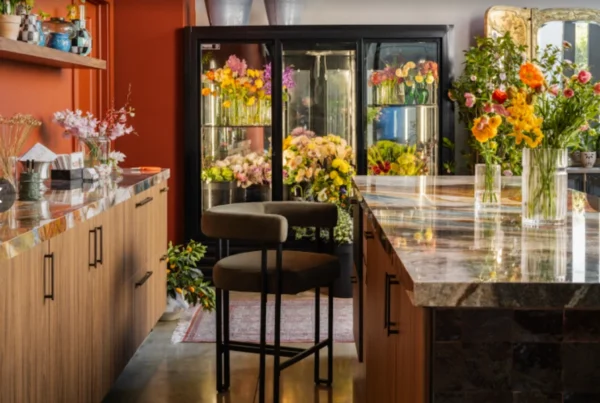
Home environments shape daily mental state in subtle, profound ways. Simple spatial choices and natural materials transform plain rooms into peaceful sanctuaries. By selecting calm decor elements, you design spaces that promote rest, lower mental fatigue, and support daily mindfulness.
Scale Up Your Plant Display with Statement Flora
Indoor greenery brings grounding energy into quiet living spaces. Homeowners who select planters big enough for trees can introduce commanding Ficus or Olive varieties without overcrowding small tables. These impressive leafy companions turn empty corners into peaceful visual focal points.
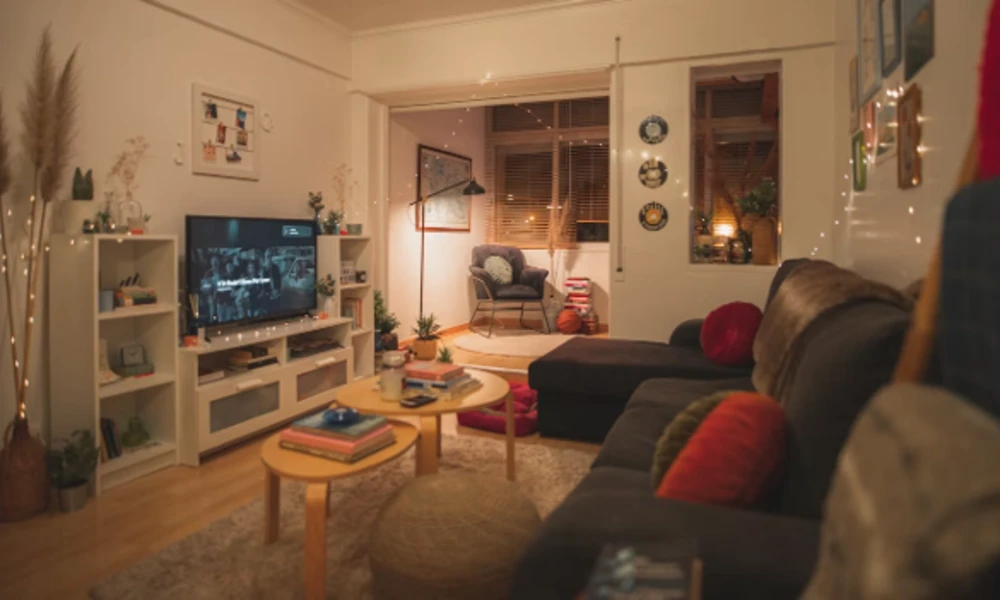
Tall indoor trees create a soothing vertical dimension in open layouts. They draw the eyes upward and soften rigid architectural angles across open floor plans. Generous containers allow root systems to flourish, keeping foliage healthy and lush.
Selecting large pots made from natural terracotta or muted ceramic maintains visual balance. Sturdy containers prevent top-heavy indoor trees from tipping over during routine maintenance. Roomy planters provide proper drainage, allowing indoor greenery to thrive with minimal daily stress.
Grounding Rooms with Living Sculptures
Substantial houseplants act as natural centerpieces within a home. A design publication highlights how large houseplants serve as living sculptures that anchor a space and create a sanctuary atmosphere. Placing a sizeable specimen near natural light sources brings balance to seating areas.
Positioning large greenery near reading nooks encourages quiet reflection. The presence of living foliage establishes a soothing barrier between daily chores and personal relaxation areas. Large leaves catch natural light, creating soft shifting shadows throughout the afternoon.
Substantial plant species add depth to minimalist decor themes without creating visual chaos. Smooth leaf shapes balance sharp furniture edges and hard tile surfaces. Broad foliage absorbs ambient indoor noise, turning chatter into muted background sound.
Incorporating Natural Textures for Daily Calm
Materials derived from nature connect indoor spaces with the outdoors. Woven textiles, warm woods, and raw stone surfaces invite tactile comfort into main living areas. An environmental research report highlights how the simple presence of plants lowers stress levels and boosts daily mood.
Integrating natural materials with lush greenery produces a harmonious environment:
- Raw timber coffee tables offer grounding visual warmth.
- Linen throw cushions add soft, comforting textures to seating areas.
- Clay pots and ceramic containers connect greenery to earth tones.
- Jute rugs define peaceful seating zones without adding visual noise.
Tactile variety encourages mindful physical interaction, pulling focus away from digital screens. Rough rattan baskets contrasting with smooth ceramic vases create gentle visual interest. Organic textures age gracefully, adding character to home environments without demanding constant updates.
Softening Lighting to Unwind the Mind
Overhead lights often create harsh glares that raise physical tension. Replacing stark fixtures with warm, layered illumination creates a gentler environment during evening hours. Table lamps with warm bulbs and diffuse fabric shades produce cozy pockets of light.
Dimmable fixtures allow lighting levels to shift seamlessly from daytime productivity to evening rest. Low-level ambient lights prepare the nervous system for restorative sleep. Warm light temperatures signal to the brain that work hours have ended.
Placing lamps at varying height levels eliminates harsh ceiling shadows in living spaces. Floor lamps directed toward corners expand room dimensions and keep light soft. Diffused glass shades scatter light evenly, creating a soothing evening atmosphere.
Elevating Plants from Decoration to Daily Lifestyle Priorities
Plant care habits nurture intentional routines within modern living spaces. A gardening trend analysis notes that indoor flora has shifted from minor decorative accents into daily lifestyle priorities. Tending to leaves and monitoring soil moisture offers a grounding pause in busy schedules.
Regular plant care creates micro-moments of mindfulness throughout the day. Touching leaves, pruning growth, and watering root systems encourage presence in the current moment. Watching new leaves unfurl provides a sense of quiet accomplishment.
Mindful care routines turn daily home maintenance into a soothing sensory ritual. Wiping dust from wide leaves connects individuals to living rhythms inside their homes. Setting aside 5 minutes each morning for plant checks starts the day with calm focus.
Creating Uncluttered Spaces for Mental Clarity
Visual clutter forces the brain to process excess data, raising background anxiety. Streamlining surfaces and leaving open floor area lets rooms breathe naturally. Choosing fewer, higher-quality decor pieces creates an expansive feel in small quarters.
Mindful storage solutions keep daily items stored away from view. Keeping tabletops clear preserves visual harmony across everyday living spaces. Open shelving works best when displaying 2 or 3 intentional pieces rather than crowded rows of trinkets.
Clear walkways promote smooth movement throughout living areas, reducing physical friction. Balanced room arrangements allow natural light to travel uninterrupted across floors. Clean visual lines reduce daily mental stress, turning home into a soothing sanctuary.
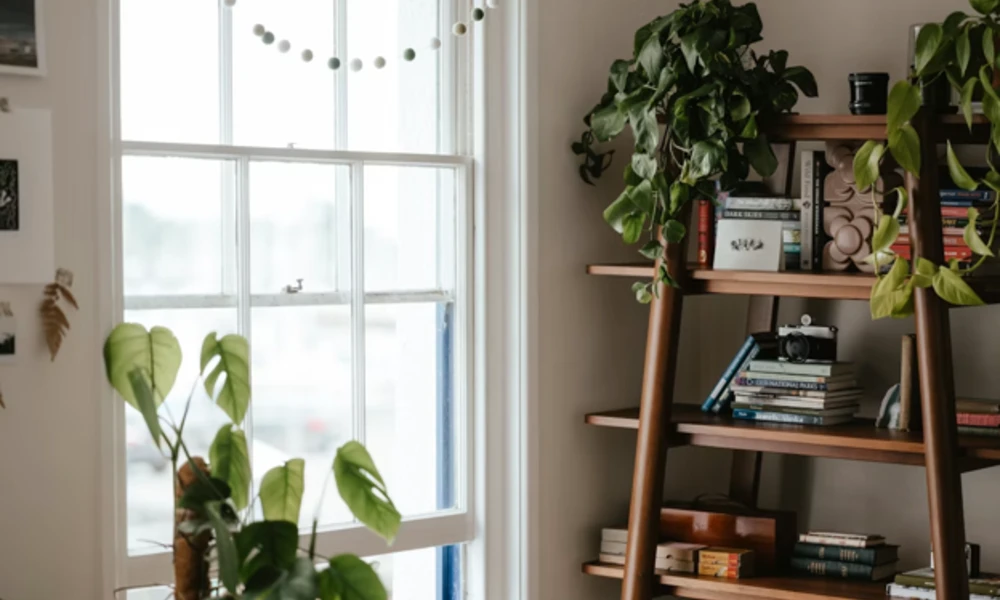
Building a peaceful home environment does not require a complete architectural overhaul. Small adjustments to lighting, natural materials, and foliage placement yield noticeable benefits for emotional wellness. Intentional decor choices convert daily living areas into restorative spaces where mind and body relax naturally.
- About the Author
- Latest Posts

Our Editorial Team are writers and experts in their field. Their views and opinions may not always be the views of Wellbeing Magazine. If you are under the direction of medical supervision please speak to your doctor or therapist before following the advice and recommendations in these articles.