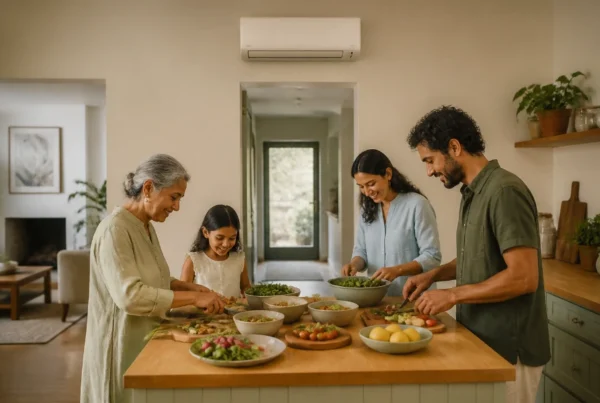
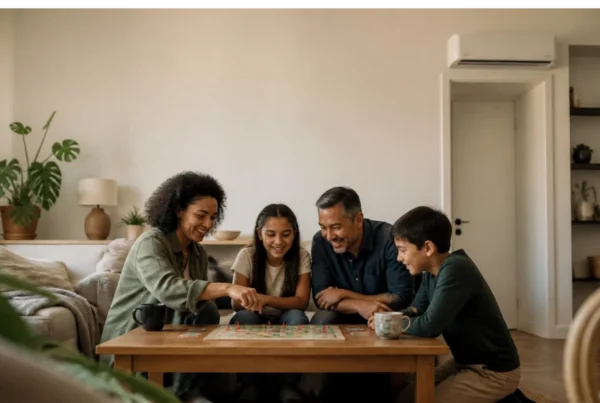
For decades, floor cleaner was one of the most settled categories in the store. A handful of legacy brands, formulas that changed rarely, and packaging that competed on what it removes, what it won’t damage, and what a gallon costs. Fragrance existed, but as a variant. You bought the cleaner and took whatever it smelled like.
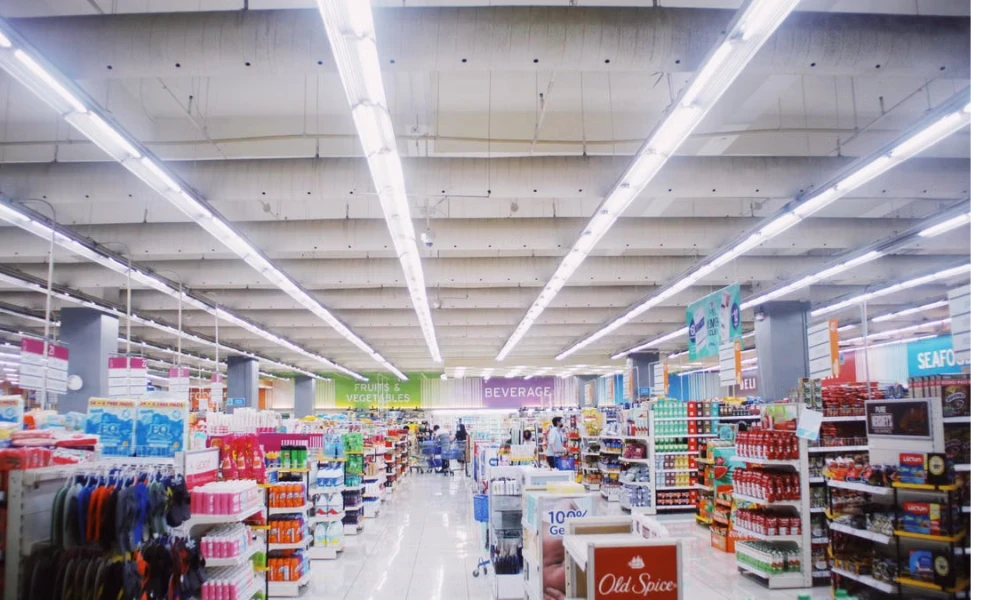
That’s stopped being the whole story. Over the past two years a scent-led segment has formed inside floor care, moving fast enough that “mop soap” now works as its own search term, and no company is more closely identified with it than Blyss. This piece looks at how the brand is built, what it says about where the category’s headed, and whether the model holds up under a close look.
The aisle before
The baseline matters here, because the contrast is the story.
Conventional floor care is sold bottom-up from the chemistry. The label leads with the surface list and the efficacy claim, the fragrance gets named in small type near the barcode, and the marketing assumes the buyer’s question is “will this hurt my floor.” That’s a rational way to sell a functional product, and it produced an aisle where the bottles are hard to tell apart and nobody’s excited to be standing in it.
It also left a gap. Mopping is one of the few chores people do weekly in the rooms they care most about, and the result is partly a smell that hangs around after the work is done. Candle companies figured out the commercial value of that a long time ago. Floor care mostly didn’t.
What changed
None of what changed started in the cleaning aisle.
Home fragrance got big and got specific. A meaningful slice of shoppers can now name perfume notes, hold opinions about vanilla versus amber, and expect anything scented to come with a composition, not just a flavor name.
Cleaning became content. The cleaning corners of TikTok and Instagram turned mopping into something people film, and a product you film needs to look and smell like something worth filming. A jug of blue liquid doesn’t clear that bar.
And the direct-to-consumer playbook was sitting right there: subscriptions, scent drops, seasonal launches, a product page built like a storefront rather than a spec sheet. Nobody had bothered applying it to floor cleaner, mostly because nobody thought floor cleaner deserved it.
Blyss is the clearest case of all three forces applied to a single product.
The Blyss model
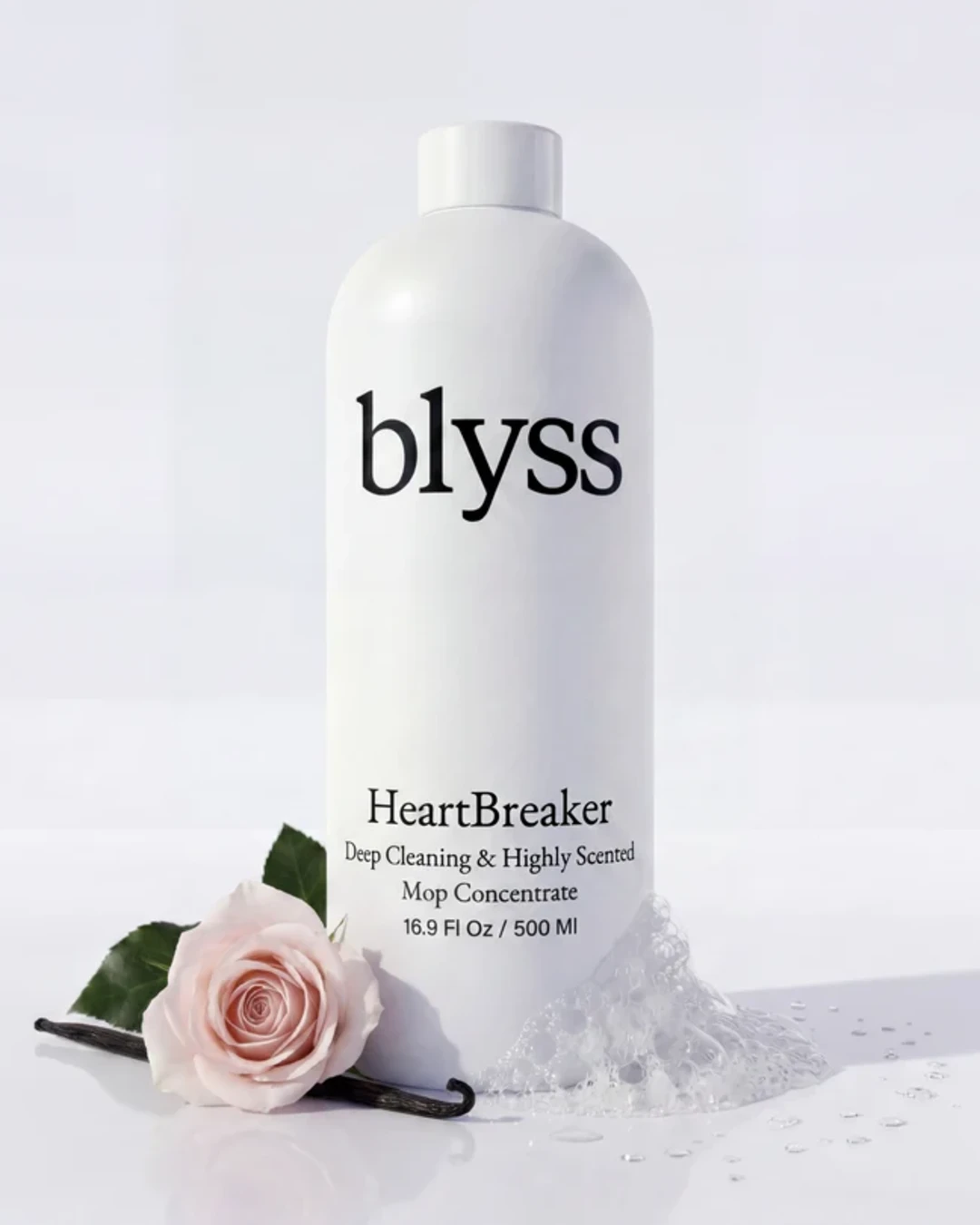
The company sells one core product: a 500ml floor cleaner concentrate, $49 a bottle, $34 on the monthly plan, in thirteen scents. And the scent isn’t a variant. It’s the organizing principle of the entire business.
Open the product page and the first decision you’re handed is fragrance, ahead of size, price, or floor type. Each scent gets the treatment a fragrance house gives a fragrance. HeartBreaker is sweet rose, pink peony, sparkling white plum and vanilla musk. Imported Mahogany is black teakwood and cedar over soft lavender. There’s a note breakdown, a description line, and a mood line about what each one does to a room, and several scents carry their own dedicated pages.
The subscription is built for rotation rather than replenishment. Subscribers pick multiple scents per shipment instead of reordering one, and the mechanics only make sense if the company expects customers to maintain a wardrobe of these instead of settling on a favorite.
Pricing does identity work too. $49 for 500ml positions the product against candles and diffusers rather than against jugs of cleaner, and the bundle ladder, $44 each for two, $39 for three, $34 at four or more, exists to walk people toward owning several scents at once. That’s fragrance-industry merchandising pointed at a mop bucket, and as far as we can tell nobody did it before this brand. A 30-day satisfaction guarantee sits under all of it, and it reads less like cleaning-aisle policy than like the try-before-you-commit posture of a fragrance counter. When the variable is scent, the guarantee carries real weight, because nobody knows what Baja smells like from a screen.
The product under the model
A scent-led cleaner still has to be a cleaner, and this is where Blyss turns out to be more substantial than the packaging would let you assume.
The formula’s published at a neutral pH of 6.7 to 7. The surfactants are named on the page, cocamidopropyl betaine and sodium laureth sulfate. The safe-surface list covers sealed luxury vinyl plank, hardwood, tile, laminate and natural stone, and the formula’s no-rinse, so mopping is the whole job. For a segment that could coast on fragrance alone, printing the pH is a real signal. It’s the number that decides whether a cleaner is safe on sealed floors week after week, and a company only publishes it when it’s comfortable being checked.
We’ve had the product running in two households for a couple of months, and the short version is that the core claims hold. Floors dry in minutes without film, and the scent carries for hours with nothing chemical underneath it. The longer version belongs in a review rather than a category piece. What matters here is that the formula disclosure runs ahead of the segment this brand leads.
The market signals
Watch the secondary signals and the segment behaves more like fashion than cleaning.
Golden Citrus, one of the newer scents, has been sold out for an extended stretch, and the page handles scent availability roughly the way sneaker brands handle colorways, NEW badges included. Marketplace sites now carry lookalike listings borrowing the segment’s vocabulary and, in some cases, its scent names outright, and imitation at that speed is about the strongest category validation there is. The site was also running a five-scent summer collection when we looked, a sentence nobody had reason to write about a floor cleaner until recently. Meanwhile “mop soap,” a phrase that barely existed as a product descriptor a few years ago, is simply how shoppers search now.
Legacy floor care hasn’t answered yet in any serious way. Whether that’s dismissal or lag is the open question, and the history of DTC categories suggests lag.
Where the model strains
The frictions are self-inflicted, and both look fixable.
One is price legibility. $49 is the headline and $34 is the price the business actually wants, and the gap invites the wrong comparison in both directions. A shopper judging the $49 sticker against shelf cleaners overprices the product, and a shopper who only ever sees the subscription rate underprices the commitment. Concentrates sharpen the problem, since the honest comparison is cost per use, and that math currently sits with the buyer.
The other is dosing. The main product page declines to give a ratio and pegs the amount to how strong you want the room to smell, while two other pages on the same site print ratios that disagree with each other. For a brand whose formula claims rest on leaving nothing behind, that’s the one piece of missing disclosure that actually matters, and it undercuts an otherwise unusually transparent label.
What it means for the aisle
Segments like this tend to resolve one of two ways. The wave recedes and the legacy brands absorb the lesson as a scented line extension, or the new entrant institutionalizes and the category stays permanently wider than it was. The disclosure habits tip the read toward the second outcome here. A brand coasting on a trend doesn’t print its pH.
For shoppers, the practical read is simpler. Floor care now has a premium, scent-first tier, Blyss defined it, and the product underneath the branding is specified well enough to take seriously. The full scent list and the Blyss Natural Scented Mop Soap specifications are public, and in this aisle, that’s still worth noting in itself.
- About the Author
- Latest Posts

Our Editorial Team are writers and experts in their field. Their views and opinions may not always be the views of Wellbeing Magazine. If you are under the direction of medical supervision please speak to your doctor or therapist before following the advice and recommendations in these articles.