When my friends and I shared our first free meal outside the MIT Student Union on a foggy Halloween night in 1980, we had no permits, no nonprofit status, and no money. We had a pot of stew, a hand-sewn banner, and the conviction that no one should go hungry in the richest country on earth. Four decades later, that simple act has been repeated in thousands of cities around the world. If you want to start feeding people where you live, you do not need permission. You need a few friends and a plan. Here is what I have learned.
Start with the food nobody wants
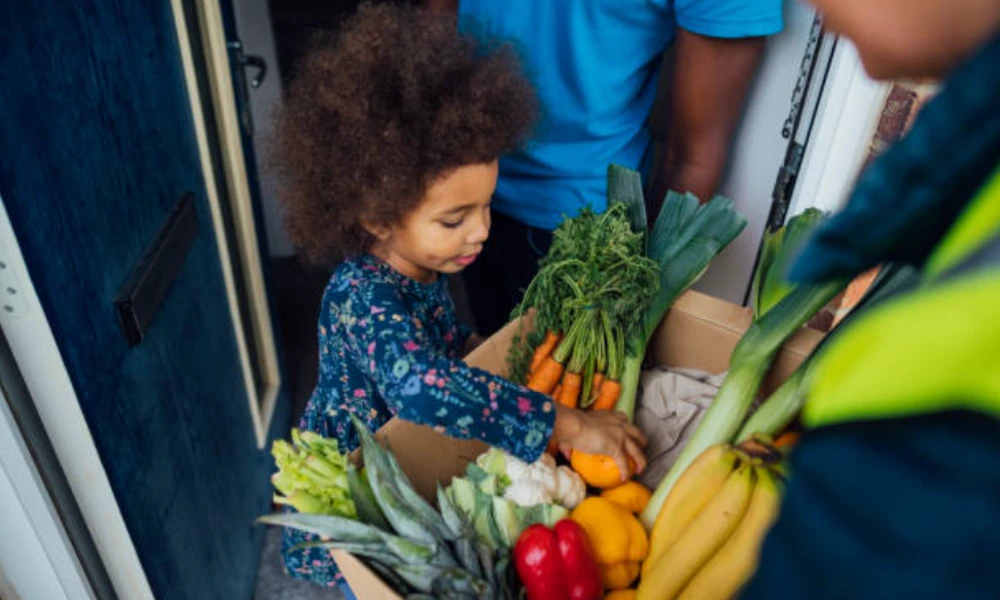
Every grocery store, bakery, and farmers market in your town throws away perfectly good food at the end of each day, usually because it is slightly bruised, past a sell-by date that has nothing to do with safety, or simply unsold. That is your supply. Introduce yourself to produce managers and bakery staff and ask if you can collect what they would otherwise discard. Many will say yes, because it saves them the cost of hauling it away. One good relationship with a co-op or produce wholesaler can feed a weekly meal indefinitely.
Keep it vegetarian
From the beginning we chose to serve only vegetarian and vegan meals, and it is one of the smartest decisions we ever made. Plant-based food is cheaper, it feeds far more people per dollar, it sidesteps the safety worries that come with donated meat, and it welcomes almost everyone regardless of diet or faith. A pot of lentil soup or a vegetable stew costs almost nothing to scale up from ten servings to a hundred.
Serve in public, not in the shadows
The instinct is to tuck a free meal away in a church basement. Resist it. We always share food in the most public place we can find, a plaza, a park, a busy sidewalk, because visibility is the point. When people see a meal shared openly and freely, it changes how they think about hunger and about what ordinary people are capable of doing without waiting for an institution to act. Hang a banner. Let people know who you are. The meal is also a message.
Do not wait for permission
The single biggest obstacle I see is people convinced they must first form a nonprofit, secure insurance, and win the blessing of city hall. You do not. We have never been a charity or a registered organization, and that freedom is a feature, not a flaw. You can share your first meal this month with nothing but volunteers and donated food. The paperwork can come later, if it comes at all. Movements are built by people who start before they feel ready.
Decide everything together
Food Not Bombs has no president, no board, and no boss. Every group makes decisions by consensus, which means we talk until we find something everyone can live with. This is slower than voting, and some days it is frustrating, but it is why groups survive after their founders burn out or move away. When no single person is in charge, no single person leaving can end the effort. Share the cooking, share the driving, share the decisions.
Show up on the same day, every week
Reliability is what turns a nice gesture into an institution. Pick a day and a time and hold to it, rain or shine, so the people who come to eat learn they can count on you. Consistency also protects volunteers from exhaustion, because everyone knows the rhythm and can plan their lives around it. A modest meal served every single week does more good than an elaborate one served once and never again.
Expect resistance, and keep serving
I have been arrested hundreds of times for sharing food in public, and I will not pretend the work is always easy. A surprising number of cities have passed ordinances restricting who may hand a meal to a hungry person. If you meet that kind of resistance, document everything, know your rights, connect with local legal support, and keep showing up. Public sympathy almost always lands with the people offering food, not with the officials trying to stop them. Persistence is its own form of protest.
None of this requires you to be an activist, a chef, or an expert. It requires only that you look at the abundance around you, the food discarded every night while neighbors go without, and decide to close the gap with your own hands. Gather a few friends this week. Find one store willing to share what it cannot sell. Cook a big pot of something warm and carry it to a public square. You will be astonished at how quickly strangers become a community, and how a single shared meal can change the way a town thinks about what is possible.
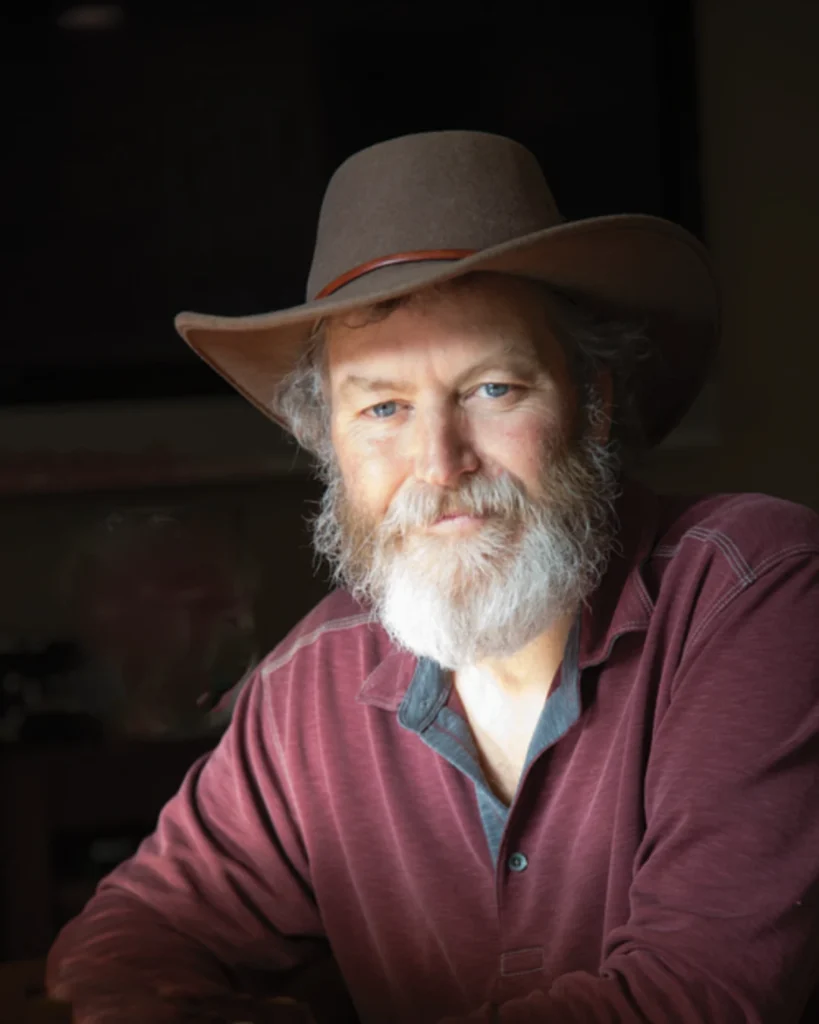
By Keith McHenry, co-founder of Food Not Bombs
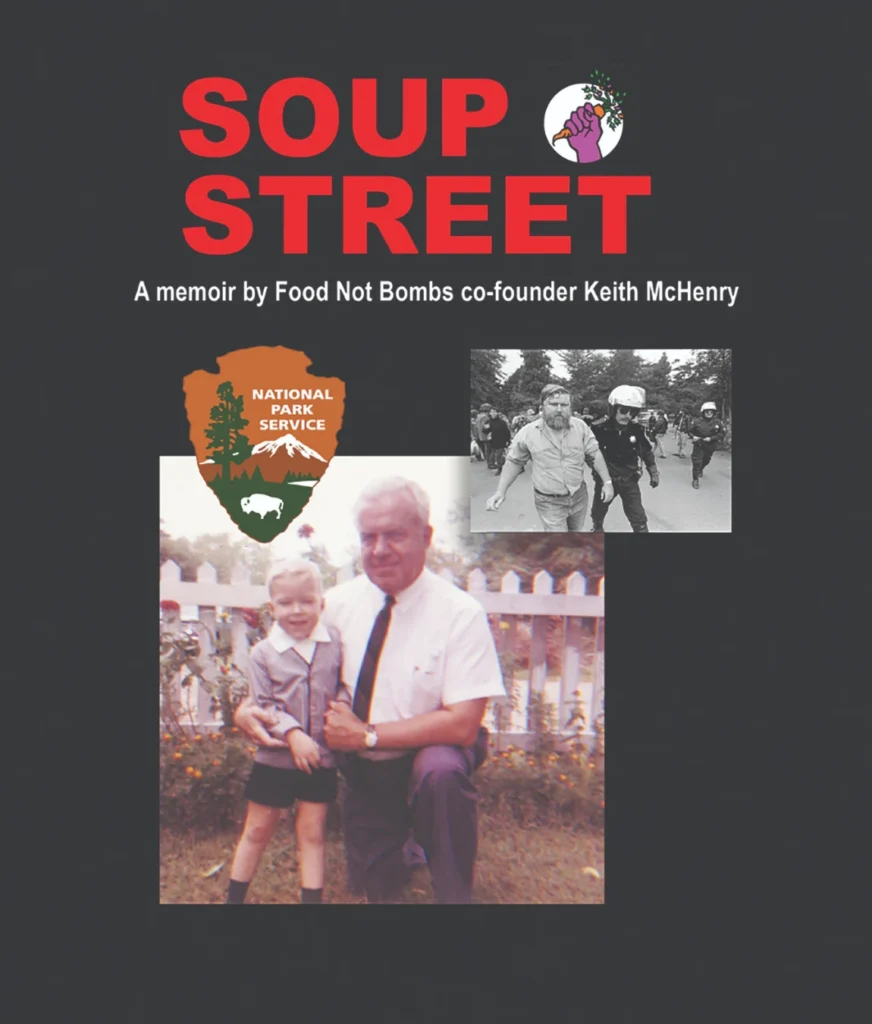
Keith McHenry is the co-founder of Food Not Bombs, the global grassroots movement that has shared free vegetarian meals as a protest against war and poverty in thousands of cities since 1980. His new memoir, Soup Street, tells the story of that movement and the extraordinary life behind it—from a free-roaming boyhood in America’s national parks to hundreds of arrests and a lifetime spent feeding the hungry. He is also the author of Hungry for Peace and a co-author of the 2015 edition of The Anarchist Cookbook. Learn more at keithmchenry.net.
- About the Author
- Latest Posts

Our Editorial Team are writers and experts in their field. Their views and opinions may not always be the views of Wellbeing Magazine. If you are under the direction of medical supervision please speak to your doctor or therapist before following the advice and recommendations in these articles.