Almost losing your life on a boat, or anywhere, can drastically change your priorities and how we hear others. It certainly did for me.

One Fateful Day
In the summer of 2025, my friend Michael and I were about thirty miles west of the Bahama Banks, in three thousand feet of water, when we entered a rogue double squall line. Typically, squalls will be intense but last only about ten minutes. We were beaten for over two hours as the boat was falling apart, with one very short break between storms. As the reality of the moment set in during those few minutes before the second storm hit, we said goodbye to each other and said it was an honor to be there that day, because I don’t think either of us would have wanted anyone else there, or to go through that hell. And since, if one of us died, the other certainly would, our families would never know what it was really like. Less pain for the family in the long run – speculation but not facts.
As Fate Would Have It
Clearly, we survived, and in the year-plus since that day, my awareness and appreciation for time has grown. I now listen for those moments, when speaking with others, about what it means to them. It opened my eyes and ears to really tune in when someone is sharing something about their own experience. I recognize that I am living on borrowed time, and I’m lucky.
A Lesson in Office Time
In a recent board meeting, I listened to a CFO get through the boring stuff, things that mean more to my partners than me, and then put the financials down on the table. He took a breath, and then asked permission to speak freely. Of course, it was granted, he can say anything. What he said next brought an entire year of my life to the forefront and got me thinking about how others might benefit from this.
He had recently been offered two jobs and turned them both down. He stated that they were for a lot more money, but when he walked their halls and talked with employees, he said no. And this wasn’t the first time. I leaned in, wanting to know more – the why. He was happy to share.
Time, for him and his wife, is more important at this stage of their lives. He thanked the board for the way we let him come and go, and trusting in him that things would get done. It’s true. The board doesn’t set office hours of nine to five, or seven to four. It’s not chaotic, though, and no one takes advantage of it. However, if there’s something an employee wants to do in the afternoon that will make their week or month, we’re all for it. If it’s missing a Friday to fly to Boston for a Red Sox game, do it. A long weekend with her girlfriends at the beach – Go! We celebrate these moments and look forward to the stories when they return. Maybe it’s because we’ve all lost loved ones and appreciate the time we have.
We want people to be happy, and we realize that time is the key, not always money. The company wasn’t always this way, but restricted hours were blown open by the wonderful movie, Office Space. If you haven’t seen it, please do.
A Lesson Shared
I’m not claiming this works in every situation, or every office. We are a small office, under 20 people, and I believe that makes a difference. We only have two employees under the age of 30, but they, too, have come to enjoy our open time policy. I know both have received job offers, yet they’re still with us, and they’re great people.
In some cases, we’ve encouraged employees to take a job offer so they can learn more, and maybe they will come back. A relationship, whether in work or in your personal life, must have trust in order to grow. You cannot make someone love you, or love your company. If you do your best, and be honest and encouraging, maybe they’ll just want to stick around to see what fun comes next.
Weathering Life’s Storms
Like the storms I encountered in the Atlantic, or during the worst year of my life that was surrounded by other kinds of instructional storms, there is no perfect answer as to how to navigate it all. There are bumps, and bruises, and humility. But the humility is what allows an employer to ask the question of someone: What’s more important for you, a cash bonus or more time off? You might be surprised at their answer.
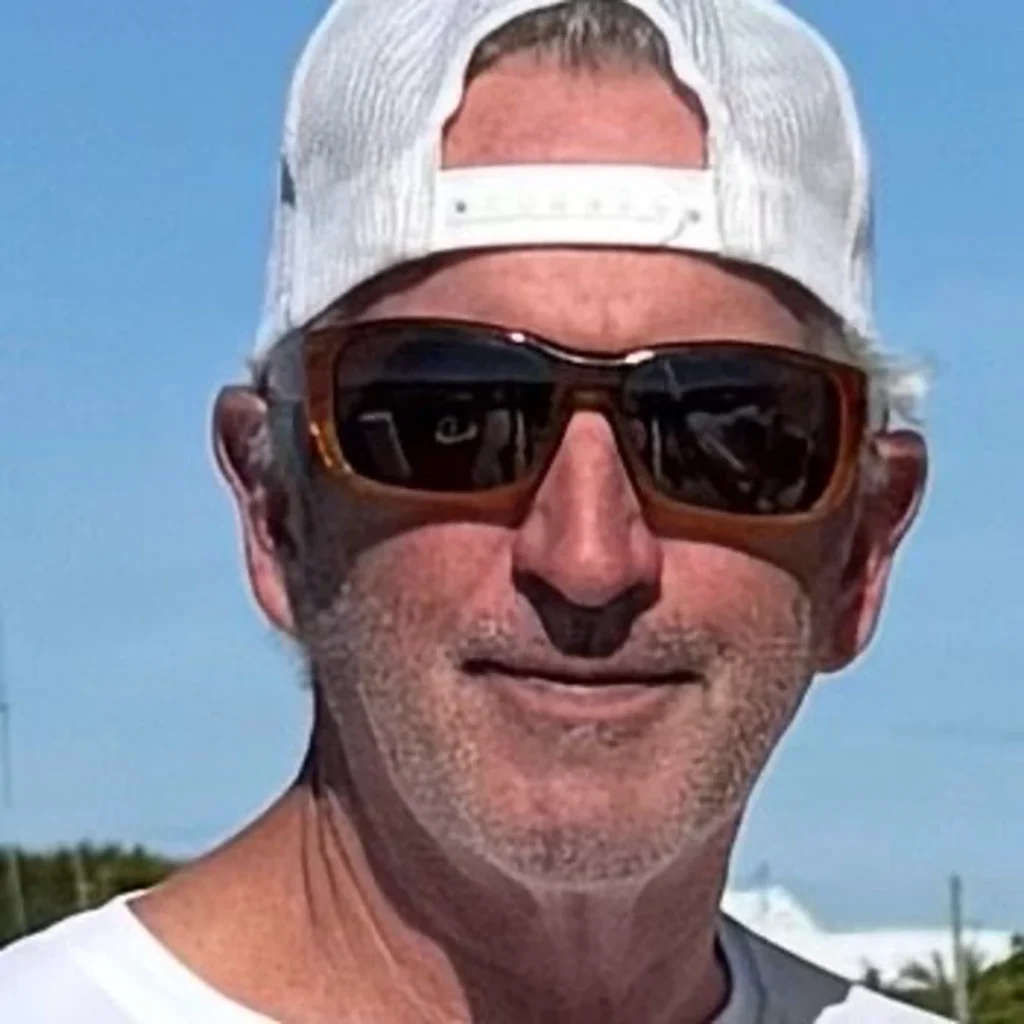
By Skip Van Gardner
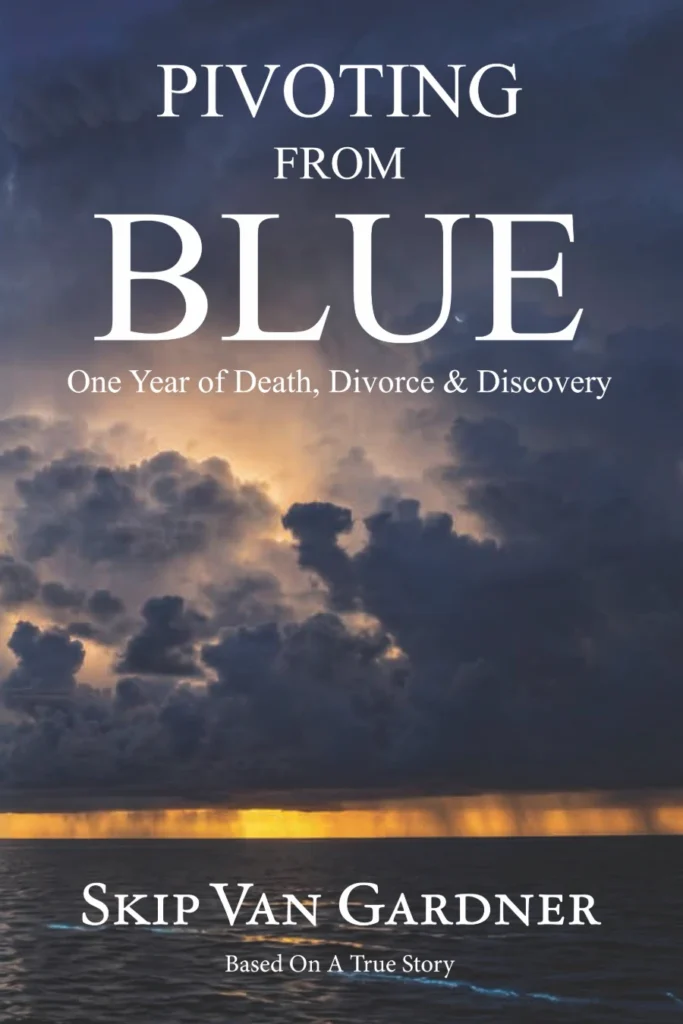
Skip Van Gardner is a businessman, storyteller, and lifelong sailor who spent two decades living and working in Manhattan, Los Angeles, and Washington, D.C., before settling outside Orlando, Florida. His award winning debut book, Pivoting From Blue: One Year of Death, Divorce & Discovery, is drawn from a single year of his life — February 2025 to February 2026 — and chronicles the divorce, the loss of his father, his mother’s Alzheimer’s, and the near-death crossing that changed how he moves through the world. Learn more at skipvangardner.com.
- About the Author
- Latest Posts

Our Editorial Team are writers and experts in their field. Their views and opinions may not always be the views of Wellbeing Magazine. If you are under the direction of medical supervision please speak to your doctor or therapist before following the advice and recommendations in these articles.