
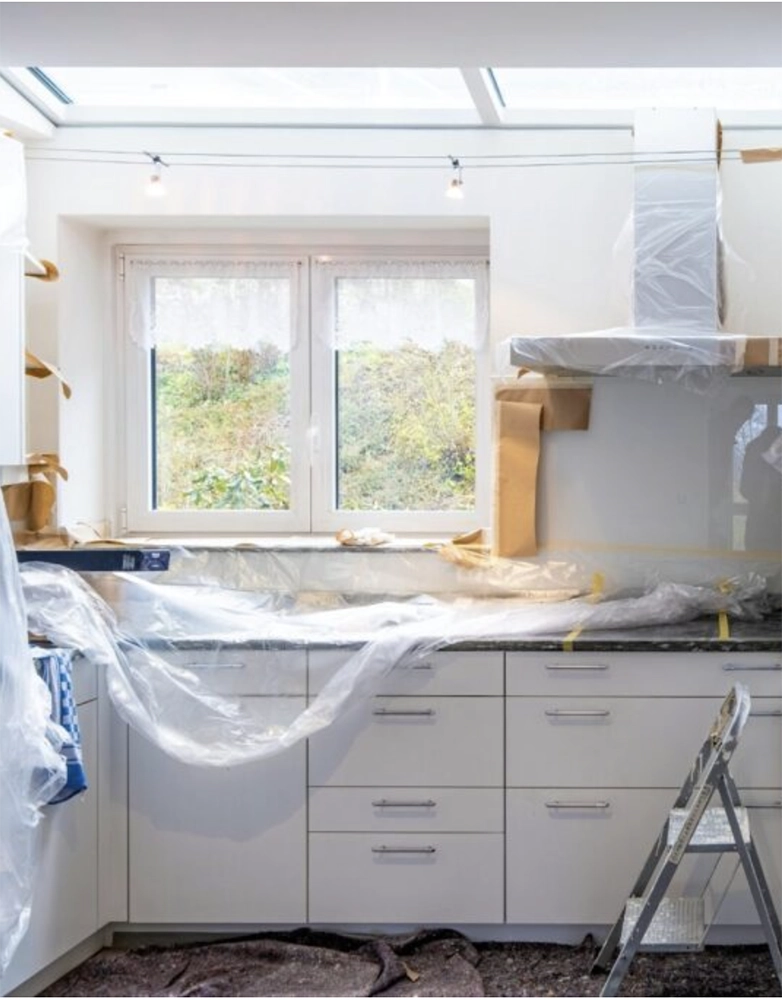
Renovating a home is a personal journey. Every choice reflects taste, lifestyle, and how a space is meant to be used. At the same time, most homeowners remain aware that the property may be sold at some point. Striking a balance between self-expression and broad appeal can feel difficult, but it is achievable. By making thoughtful decisions and choosing features that are adaptable from manufacturers like Direct Doors, you can enjoy your home now without compromising its future resale value.
Start With How You Live
Good renovation decisions begin with honesty about daily life. A home should support routines, hobbies, and comfort. Ignoring this in favour of hypothetical buyers often leads to regret.
Designing for current use does not mean ignoring resale entirely. Instead, it involves understanding which changes are profoundly personal and which can be adjusted later. Built-in features and structural changes deserve more caution than decorative elements.
Focus On Flexible Foundations
Floors, walls, and layouts form the foundation of any renovation. Neutral, well-finished surfaces appeal to most buyers and provide a calm base for personal styling. Hardwearing materials, consistent flooring, and balanced proportions help rooms feel adaptable. Individual taste can then be layered through furniture, art, and soft furnishings, which are simple to change or remove when selling.
Colour Choices With Longevity
Bold colours create impact, but they also divide opinion. Feature walls or accent areas allow personality without overwhelming a space. Using neutral tones for larger surfaces keeps rooms versatile. Buyers can more easily imagine their own belongings, while homeowners still enjoy colour in controlled doses. This approach preserves individuality without limiting appeal.
Kitchens And Bathrooms Need Balance
These rooms strongly influence resale, yet they are also used heavily. Practical layouts, quality fixtures, and durable finishes should take priority over trend-driven designs. Personal touches can be added through lighting, handles, or accessories rather than permanent fittings. Choosing classic shapes with modern performance helps these spaces age well, benefiting both current enjoyment and future value.
Doors As Design Anchors
Internal and external doors play a quiet but influential role in how a home feels. They influence flow, light, and first impressions. Externally, a well-chosen front door sets the tone for the entire property. Simple, well-proportioned designs with quality finishes appeal widely. Internally, doors should support movement and privacy without dominating rooms. Glazed or panelled options allow light through while maintaining separation.
Selecting doors that suit the architecture rather than extreme personal taste keeps them relevant. Manufacturers like Direct Doors offer ranges that balance character with adaptability, making them strong long-term choices.
Lighting That Enhances Rather Than Dictates
Lighting affects mood and perception of space. Statement fittings can express personality, yet overly specific designs may not suit future owners. Layered lighting works best. Combining general, task, and accent lighting allows spaces to adapt. Fixtures can be changed easily, so investing in good placement matters more than dramatic designs.
Storage That Adds Value
Storage improves daily living and attracts buyers. Bespoke solutions tailored too closely to one lifestyle can feel limiting. Instead, flexible storage that supports multiple uses is more effective. Wardrobes, cupboards, and shelving designed for adaptability help rooms serve different purposes over time.
Avoid Over-Customisation
Highly personalised features, such as themed rooms or unusual layouts, may reduce appeal. While they can be enjoyable, they often require future buyers to undo changes. When evaluating a distinctive feature, ask whether it enhances both function and style. If the answer is no, it may be better to leave it as a temporary feature rather than a permanent change.
Think In Layers
One helpful way to approach renovation is to think in layers. Structural elements, finishes, and fixed fittings form the base. Personal expression sits above them. By keeping the base broadly appealing and customising the upper layers, homeowners retain freedom without locking the property into a narrow aesthetic. This method also makes future changes simpler and more affordable.
Timing And Market Awareness
Renovating with some awareness of local market expectations helps guide decisions. What works in one area may feel out of place in another. Understanding typical buyer preferences does not mean copying them exactly. It provides context, helping homeowners choose where to take creative risks and where to stay grounded.
Enjoyment Without Compromise
Renovations should enhance the quality of life. Sacrificing enjoyment entirely for resale value often leads to dissatisfaction. Balancing personal style with flexibility allows homeowners to enjoy their space while protecting long-term value. Thoughtful choices, especially around enduring features like internal layouts and doors, support both goals.
Designing With Confidence
Renovating for both enjoyment and resale is not about playing it safe. It is about making informed, flexible decisions. By prioritising function, choosing adaptable finishes, and selecting elements that suit the home’s character, homeowners create spaces that feel personal yet inviting. When done well, the result is a home that reflects its occupants now and appeals to others later, without compromise.