How Clean Carpets Improve Home Indoor Air Quality
You vacuum. You dust. The house looks clean. Then the air still feels heavy, especially when the heat kicks on, or someone walks across the room
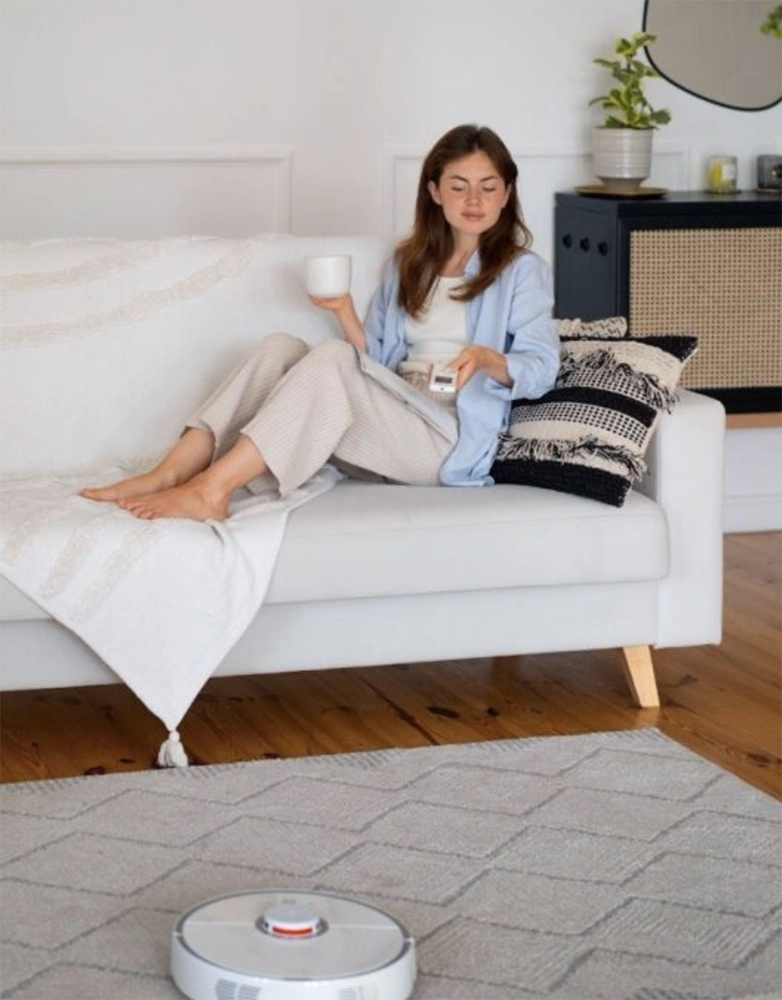
You vacuum. You dust. The house looks clean. Then the air still feels heavy, especially when the heat kicks on, or someone walks across the room. For a lot of homes, carpet is usually the silent culprit. It holds onto what settles from the air, then releases it again through daily movement. How that carpet gets cleaned has more impact on indoor air than most people expect.
What Indoor Air Quality Really Means Indoors
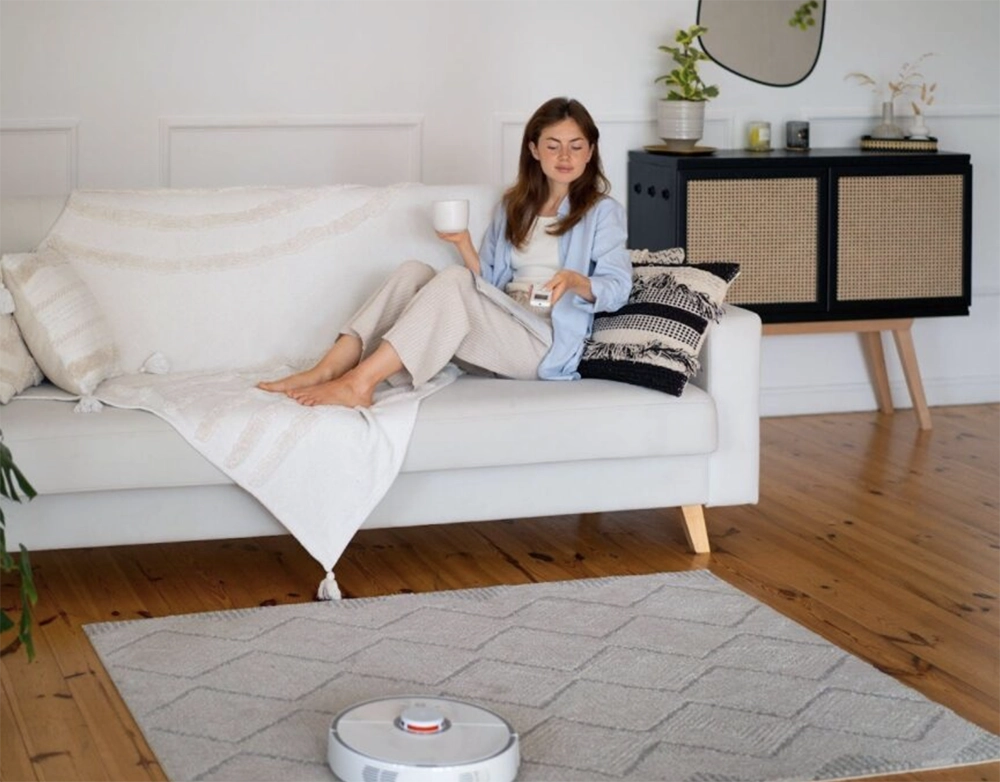
Indoor air quality refers to the mix of fine particles, allergens, moisture, and chemical vapors inside a home. People spend most of their time indoors, and those conditions matter more than many realize. According to the American Lung Association, indoor air pollutants can have a stronger impact on breathing than outdoor air in many homes. Surfaces that store dust, including carpet, shape what people breathe between cleanings.
What Ends Up Inside Carpet Fibers
Carpet holds materials in layers. The top can look clean while deeper sections still hold a lot. Common examples include:
- Dust from soil, skin cells, and fabric lint
- Pollen, pet dander, and dust mite debris
- Mold spores that land and wait for damp conditions
- Tracked in residues, including pesticides
Hard floors let much of this stay loose. Carpet traps it, which helps only if the trapped load gets removed on a schedule.
What Professional Cleaning Does That DIY Usually Misses
Professional equipment reaches deeper and pulls out more moisture. Hot water extraction loosens oily dirt that binds fine particles to fibers, then extracts the slurry with high suction. Studies cited in the research summary report large drops in dust mite and pet allergen levels after intensive cleaning, plus lower airborne levels during room activity.
That is the real set of benefits of professional carpet cleaning. You get a deeper reset of the reservoir.
The professionals over at cleanvillecarpetcare.com explain how utilizing high-temperature steam extraction reaches the base of the pile to eliminate stubborn residue. This methodical approach ensures that the underlying layers remain free from moisture and organic buildup that can lead to unpleasant odors over time.
If you have a large rug that is hard to clean well at home, a professional carpet wash service fits the same goal of pulling embedded dust out of the fibers.
Why Dirty Carpet Makes The Air Feel Worse
Movement causes resuspension. Fibers bend, debris lifts, and a small cloud forms near the floor. Older carpet and thicker pile tend to hold more material, so long gaps between cleaning raise the amount available to float.
Vacuuming can also stir dust. A vacuum with weak filtration may collect larger debris while releasing fine particles back into the room through the exhaust.
How Carpet Cleaning Improves Air Quality
It all comes down to one idea: remove what the carpet stores before daily activity pushes it back into the air.
Regular vacuuming targets surface debris. Deep extraction reaches the base layer, where dust and allergens get compacted. Used together, carpet cleaning can enhance indoor air quality by reducing the amount of material available for resuspension.
Simple Habits That Support Healthier Home Air
Small actions done consistently have a larger impact than occasional deep cleans. Here are some habits you can adapt:
- Vacuum slowly with overlapping passes
- Clean or replace vacuum filters on schedule
- Use a HEPA-filtered vacuum to trap fine particles
- Focus on entry paths, under seating, and pet areas
- Dry spills quickly and keep air moving until fibers are fully dry
These carpet cleaning tips for a healthier home air also reduce how much debris reaches the carpet in the first place.
Homes with allergies or asthma symptoms often benefit from tighter cleaning intervals. High-traffic lanes vacuumed twice weekly can noticeably reduce dust settling on nearby surfaces.
Cleaning Methods And Timing At A Glance
| Method | Depth Reached | Best For | Typical Timing |
| HEPA vacuuming | Surface and mid-pile | Daily dust and grit | Weekly, more in busy rooms |
| Spot cleaning | Local surface | Fresh spills | As needed |
| Hot water extraction | Deep pile and base | Embedded allergens | About once per year |
| Low moisture cleaning | Mid to deep | Faster drying | Between deep cleans |
Moisture Control After Any Cleaning
Water can work against air quality if drying takes too long. Carpet that stays damp becomes more hospitable to mold and dust mites. Research points to a 1 to 2-day window where lingering moisture raises risk.
Use fans. Add a dehumidifier if the room holds humidity. If the carpet still feels damp the next morning, continue drying and limit foot traffic until fully dry.
Rugs And Materials That Make Maintenance Easier

Low-pile surfaces release debris more easily during vacuuming. Rugs that can be lifted and aired out reduce long-term buildup. Natural fibers such as wool interact differently with indoor pollutants, while low-emission materials reduce off-gassing after installation.
Room use also matters. A hallway runner takes more wear than a bedroom rug. Choosing high-quality rugs suited to traffic levels helps limit deep soil compaction.
Room By Room Moves To Clear The Indoor Air
If the goal is to clear the indoor air, start where movement lifts particles most often.
- Bedroom: Vacuum under beds and limit dust-collecting clutter
- Living room: Clean along baseboards and maintain area rugs for living room spaces
- Kids’ areas: Increase vacuum frequency due to constant movement
- Entryways: Keep mats in place and stick with a shoe-free routine
Final Thoughts
Clean carpet supports cleaner indoor air by removing stored dust and allergens before they cycle back into the room. A steady vacuum routine, controlled moisture, and periodic deep cleaning can change how the air feels over time. More home-related topics can be found in our blog.
Filed underHome & garden sanctuary