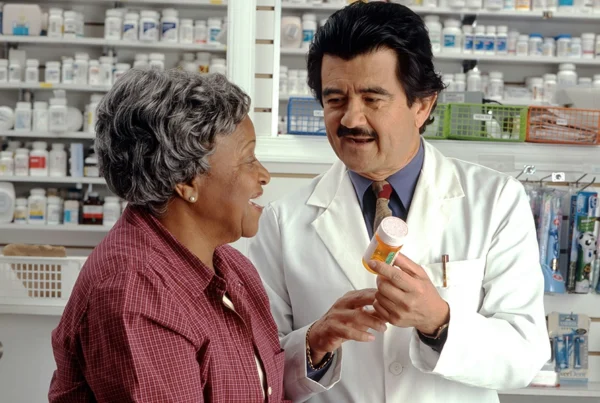
Why is accessing healthcare so overwhelming to so many patients?
For some patients the requirements to access healthcare in America can lead to turmoil and death.
In order to keep costs down and increase profits, health insurers use prior authorizations, which require patients or their providers to seek approval before they can get certain procedures, tests, and prescriptions.
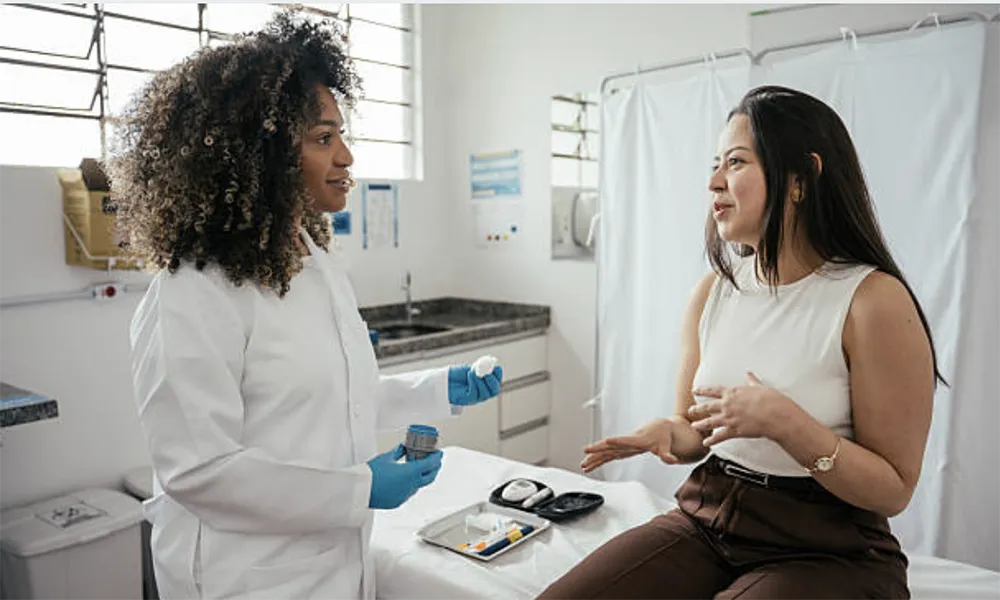
The appeals process is another story: after a patient receives a denial letter for medical care or a prescription, it’s up to them to appeal it and they can feel that the impact of the next steps leaves them disempowered.
It can take an unreasonable amount of time for a person with a job, a family, and other obligations to get an appeal submitted. And the process as described in the denial letter can be unclear in its complexity to a patient.
Sick, scared, or overwhelmed, many never appeal. Due to the cost of paying for the care, they either delay their care, skip medication doses, or abandon treatment altogether, not because the care isn’t medically necessary, but because they cannot afford the protracted appeals or out-of-pocket costs. If they do appeal, they face long hours on hold, then conversations with representatives from the healthcare insurance company who provide scripted replies to their questions.
Paying the Price
Patients can pay a tremendous psychological price in this process. Being denied medically necessary care by the healthcare insurance company signals to patients that decisions about their pain, disability, or survival are in the hands of an industry based on profit. Feeling that nothing can be done to get their approved and paid for, they put the denials in a shoebox.
That’s what the industry is counting on. But a system that depends on patient exhaustion to reduce payouts is not healthcare.
I worked as a healthcare attorney for almost three decades and I so valued being in a helping industry. I wasn’t there for the stock options and bonuses. I was there because so many members of my family have been nurses, doctors. One has been involved in healthcare in Rwanda, Tanzania, and Ghana. Helping others is in my blood.
But I worked with a number of people who did not recognize the difference between working in the healthcare industry and any other commercial industries. Healthcare is not a typical consumer product. Health insurance is supposed to protect people when they are most vulnerable. When claims are denied primarily to protect profits rather than approved due to medical necessity, that contradicts the premise of health insurance. The system no longer functions on behalf of the patient.
If I or anyone knew how to fix a broken healthcare system in our America today, we would be doing it now. But Universal healthcare or other changes to healthcare are a political issue and that means don’t hold your breath. While certain steps are being taken, they will not change the overall system of profit over healthcare in this country.
President Obama’s Affordable Care Act, aka Obamacare, changed the lives of millions of Americans for the better. Obama had the power in 2010 to make a difference. And that’s why I named my novel EmmaCare. EmmaCare focuses on an initiative in this country that could actually change lives. It provides a path for the healthcare industry to focus on patients and not just their wallets. Its premise is that a healthcare company should never put profit before people. All of its policies would be in accordance with that premise, and it would make patient advocates available to all members.
Denying healthcare claims for profit is wrong. Patients should never give up. We have one ride in this life, and our health is everything. Until such changes are made, and an approach such as EmmaCare becomes a reality, reach out to organizations that can help, such as nonprofits and medicare rights organizations.
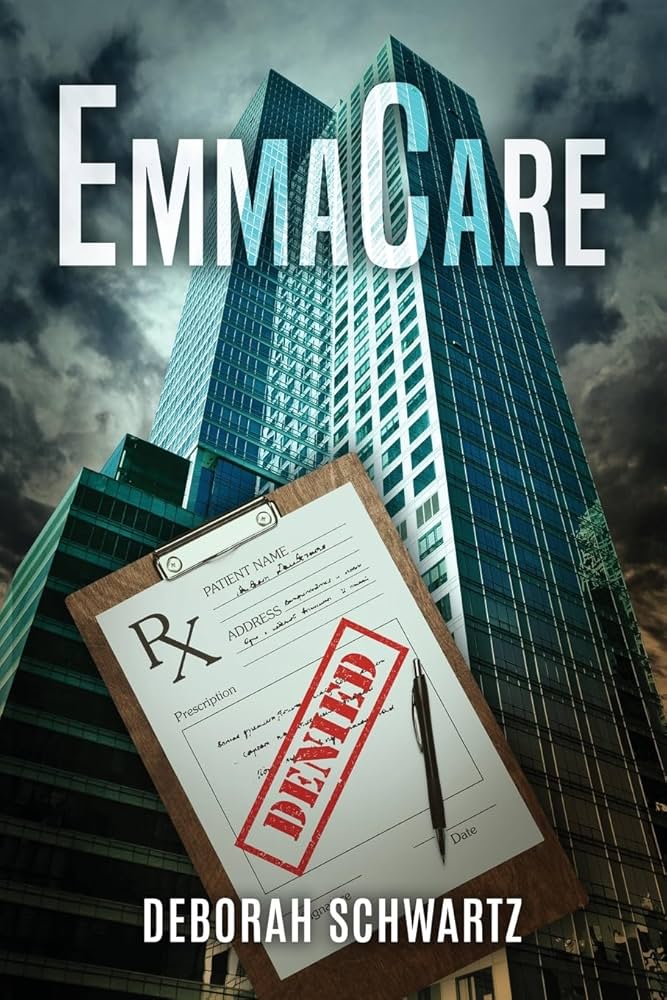
Written by By Deborah Schwartz
***
Deborah Schwartz is an author who also had a decades-long career as a healthcare attorney. She obtained her J.D. from Boston University School of Law, a Masters in History from Columbia University, and is a graduate of Tufts. A New Yorker to the core, she reached the summit of Mount Kilimanjaro in 2011. Her new book is EmmaCare.