
What We Know About CBD For Neuropathy
Living with neuropathy – the nerve condition that causes stabbing, burning, and tingling sensations in the hands and feet – is a daily battle
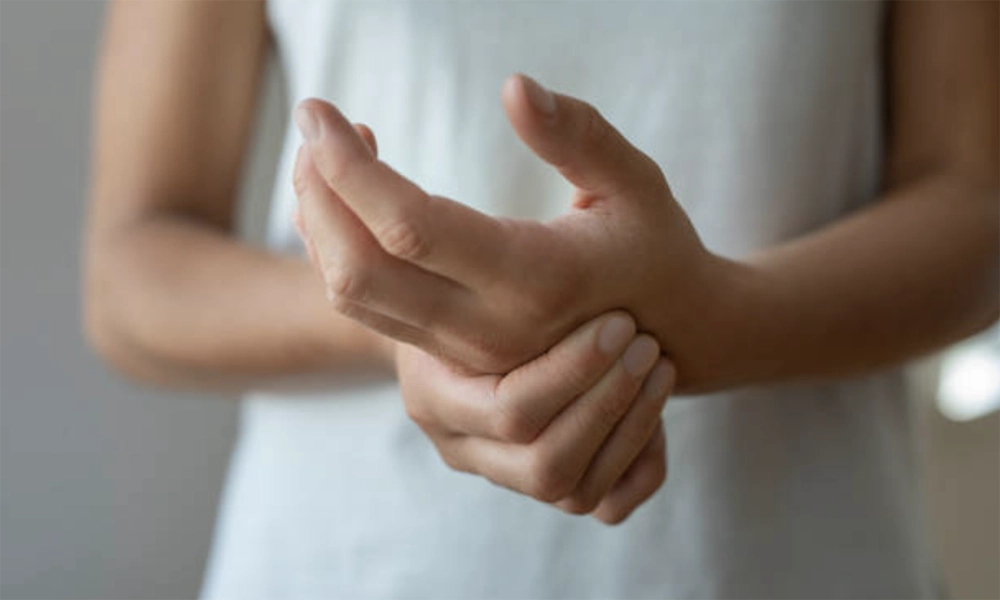
Living with neuropathy – the nerve condition that causes stabbing, burning, and tingling sensations in the hands and feet – is a daily battle. Pain is severe and constant, often interfering with sleep, and staying upright becomes more difficult, leading to balance and mobility issues. The condition can also affect digestion and urination, among other knock-on effects.
While conventional medications can help, many people turn to complementary lifestyle approaches to treat neuropathy. And in this way, cannabidiol (CBD) is emerging as a promising option.
The compound is known for its anti-inflammatory, sleep-aiding, and pain-reducing properties. As barriers to entry for researchers and producers come down, we’re learning more about the compound and seeing higher-quality products enter the market. Let’s take a deeper dive into what we know about CBD for neuropathy and how to integrate it into wellness routines.
The What And The Why Of Neuropathy
Neuropathy refers to damage or dysfunction of the nerves outside the brain and spinal cord. Usually the result of diabetes, autoimmune diseases, or physical trauma, the condition essentially blocks proper communication between nerves and the muscles, skin, and organs they’re supposed to control and monitor.
One of the most challenging elements of the condition is its unpredictability. Symptoms typically worsen at night but severity is never certain – sufferers report a big difference between “good days” and “bad days”. For some, neuropathy is a minor nuisance they adapt to, while for others, it genuinely prevents them from working or maintaining their previous lifestyle.
Of course, living with the condition can be enhanced by addressing the underlying cause (like controlling diabetes or stopping a triggering medication) and finding pain management strategies that work for the individual. In this way, guided by medical professionals and emerging peer-reviewed research, some are finding help by applying CBD for neuropathy.
The Sleep And Pain Benefits of CBD
Early clinical work on cannabis-based formulas reveals consistent benefits for people with peripheral neuropathy: less day-to-day pain intensity, better sleep quality, and improved overall function and mobility. This is possible because CBD interacts with the endocannabinoid system by binding to CB1 and CB2 receptors. In turn, the compound’s effects can lower pain signaling and calm inflammation.
This is now being corroborated in the lab. Researchers in this study found that people with neuropathy who received THC/CBD medications were significantly more likely to experience a 30% reduction in pain intensity than those on a placebo. Meanwhile, another study noted that CBD may help inhibit neuropathic pain through multiple mechanisms, acting on calcium channels, serotonin and glycine receptors, and immune regulation.
These are positive findings that only strengthen CBD’s case in neuropathy. Previous studies have also shown the compound is as effective for sleep as melatonin and provides “efficacious” pain relief – issues that people with the condition identify.
Three Things To Know About Neuropathy and CBD
If you’re thinking about whether CBD is the right kind of treatment for neuropathy, know these three things.
First, and most importantly, CBD is safe. The compound is well-tolerated across demographics since it’s non-intoxicating (unlike THC), carries a low potential for abuse or dependence, and serious side effects are rare. None of the studies cited above, for example, reported serious adverse events. In any case, consult with your doctor when starting with CBD and make sure to start low and go slow regarding dosage.
Second, educate yourself and know what to look for. Producers following best practices use organic plants, state-of-the-art extraction methods, and third-party testing. Others don’t and create sub-standard CBD. Your body deserves only the best so pay close attention to online reviews, product transparency, and a focus on quality. Armed with this information, remember that the delivery method impacts effectiveness. Salves and creams are a good fit in this instance because they can be applied directly to itchy hands and feet – something evaluated in this four-week trial with participants experiencing statistically significant improvements in sharp, cold, and itchy pain symptoms, again with no adverse effects.
Third, remember that real wellness is never just one solution. Those suffering from neuropathy report that CBD is a natural and safe tool that complements their lifestyle. In tandem with other practices such as low-impact exercise, vitamin-rich diets, limited alcohol consumption, warm baths, and massage therapy to promote circulation, the compound is emerging as an effective aid.
This article is by Scott Mazza, Co-Founder of Certified Headiesand Vitality CBD