Cannabis and Wellness: What Consumers Should Know Before Use
Cannabis has become increasingly visible in conversations about wellness, relaxation, and alternative approaches to health across Europe.
Cannabis has become increasingly visible in conversations about wellness, relaxation, and alternative approaches to health across Europe. Oils, edibles, herbal products, and other cannabis-derived products are now easier to encounter than they were a decade ago, but greater availability doesn't necessarily mean consumers understand what they are buying or how it may affect them.
That distinction matters. Cannabis is not a single, uniform product, and the effects can vary considerably depending on the cannabinoids involved, potency, product type, frequency of use, and individual circumstances. Someone considering cannabis as part of a wellness routine therefore needs more than a simple list of supposed benefits. They need to understand the product, the potential risks, and the difference between personal experience and established evidence.
Start by Understanding What's Actually in the Product
The word "cannabis" can describe a surprisingly broad range of products.
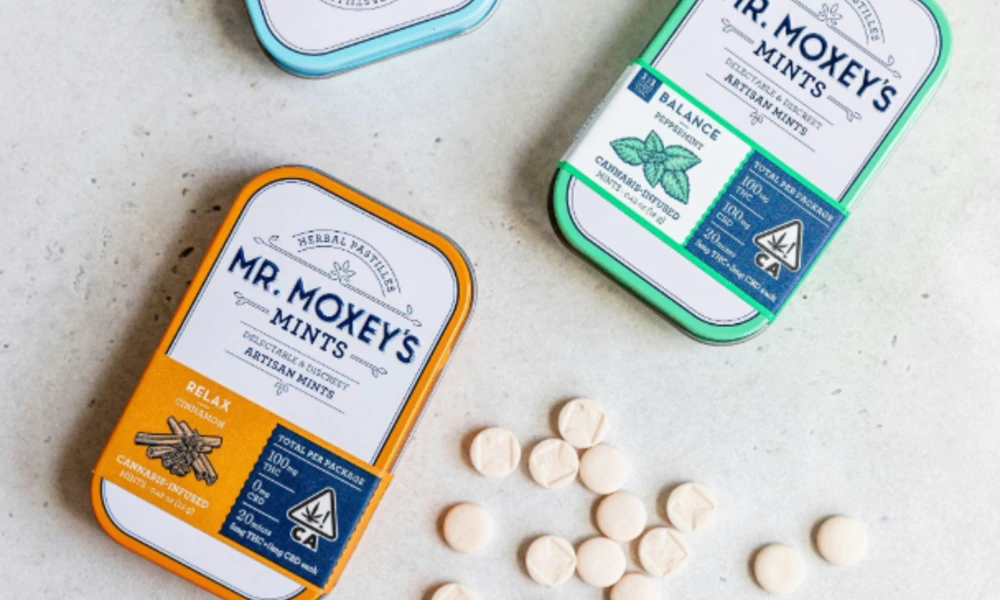
THC and CBD are two of the best-known cannabinoids, but they are not interchangeable. THC is primarily responsible for the intoxicating effects associated with cannabis, while CBD does not produce the same intoxicating effect. Products can also differ considerably in how they are consumed. For example:
- Flower or herbal cannabis is commonly inhaled.
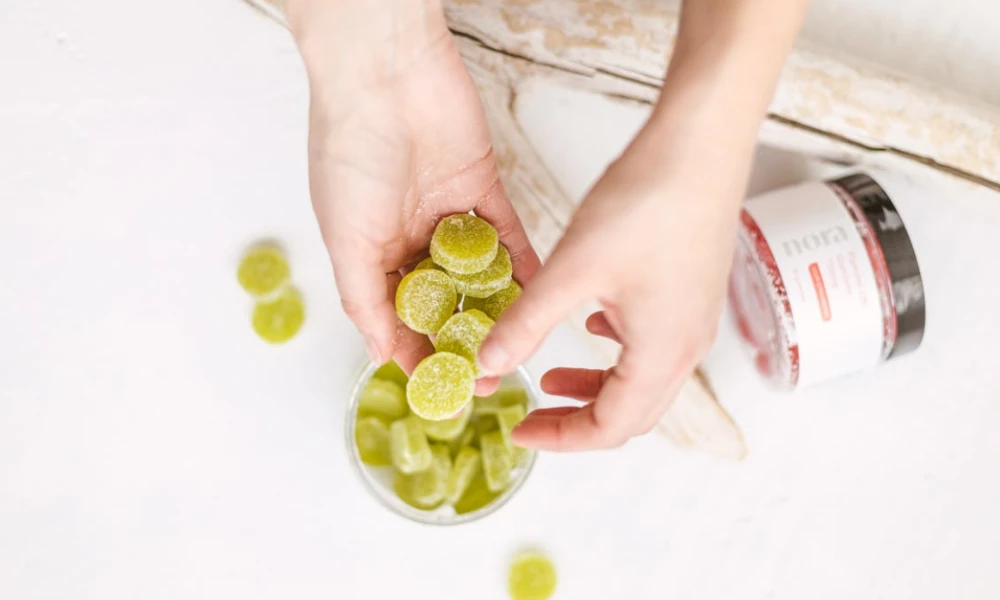
- Edibles are consumed as food or beverages and can have delayed effects.
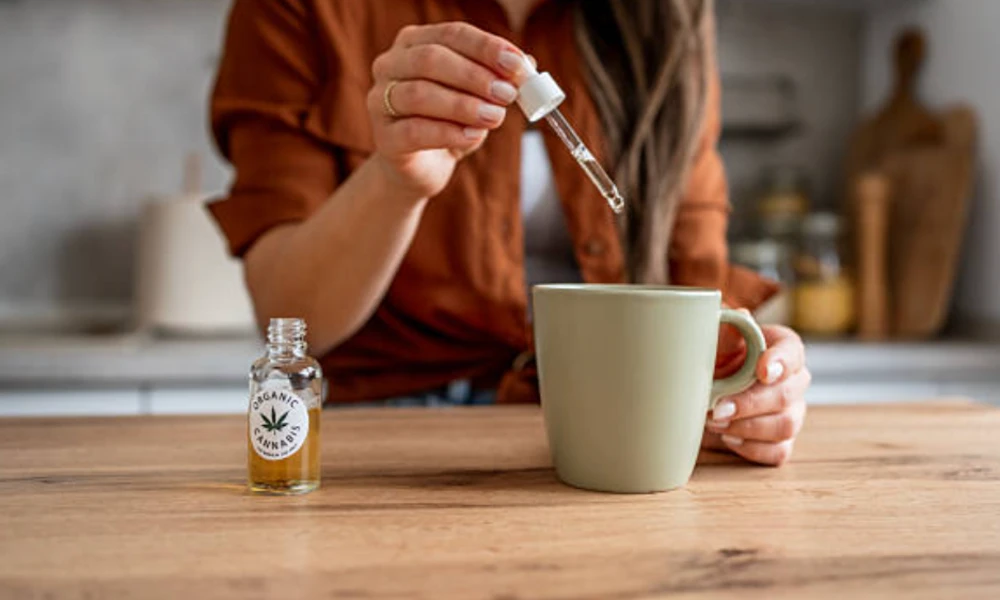
- Oils and extracts may contain different concentrations of cannabinoids.
- Topical products are applied to the skin and have different considerations from products intended for ingestion.
Reading the label carefully is therefore more useful than relying on a product's marketing category. Pay attention to cannabinoid content, concentration, serving information, and any warnings provided.
Potency Matters More Than Many Consumers Realise
Two cannabis products can look similar while producing very different effects. Higher-potency products can deliver substantially more THC per amount consumed, which may increase the likelihood of unwanted effects. The European Union Drugs Agency notes that higher-potency products and more frequent or long-term patterns of cannabis use are associated with greater risks.
This is particularly relevant when consumers encounter products marketed around relaxation or wellness. A label suggesting that something is "natural" or "premium" doesn't tell you how strong it is. A sensible approach is to treat potency as a key piece of product information rather than an indicator of quality.
Wellness Claims Need a Critical Look
The wellness industry is full of products promoted using words such as "calming," "restorative," "natural," and "therapeutic." Cannabis products can appear within the same marketing environment, but those descriptions should not automatically be interpreted as medical evidence.
Personal accounts can be interesting, but an individual's experience doesn't establish that a product will produce the same result for everyone. There is also an important distinction between feeling relaxed and treating a medical condition. Those are very different claims and require very different levels of evidence.
Consumers should therefore ask:
- Is the claim supported by clinical research?
- Is the evidence about cannabis generally or a specific cannabinoid?
- Was the research conducted in humans?
- Was the product studied at the same dose or formulation?
- Is the claim coming from an independent source or a seller?
These questions can help separate useful information from wellness marketing that sounds more certain than the evidence allows.
Consider How Cannabis Could Affect Everyday Functioning
Wellness isn't only about how someone feels at one particular moment. It also involves being able to work, drive, exercise, communicate, and make decisions safely.
Cannabis can affect attention, coordination, memory, and other aspects of cognitive and motor performance. The World Health Organization notes that cannabis can impair psychomotor performance and increase the risk associated with driving while intoxicated.
That makes timing an important consideration. Someone who uses cannabis and then needs to drive, operate equipment, or perform a task requiring concentration may be putting themselves and others at risk. A wellness routine should ultimately support everyday functioning rather than interfere with it.
Frequency of Use Deserves Attention Too
Occasional use and regular use are not necessarily associated with the same level of risk. The EUDA estimates that around 1.3% of adults in the European Union, or approximately 3.7 million people, use cannabis daily or almost daily. It also identifies frequent and long-term use as patterns more strongly associated with cannabis-related problems.
That statistic doesn't mean that every frequent user will experience problems. It does highlight why frequency deserves consideration when people think about cannabis in the context of wellness. If something has become a daily habit simply because it feels difficult to relax without it, that is worth examining rather than automatically assuming the routine is beneficial.
Your Personal Circumstances Matter
The same product can affect two people differently. Age, previous experience with cannabis, other substances or medications, underlying health conditions, and individual sensitivity can all influence how someone responds.
This is particularly important for people who are pregnant or breastfeeding, have a history of certain mental health conditions, take prescription medicines, or are considering cannabis for a specific health concern. In those situations, speaking with a qualified healthcare professional is more appropriate than relying on a product description or online recommendation. Cannabis should not be treated as a one-size-fits-all wellness ingredient.
Buying From a Reputable Source Doesn't Remove Every Risk
Where a product comes from matters, but consumers should not assume that a professional-looking website automatically means every product is safe or appropriate.
When researching to Buy cannabis in Europe, consumers should look beyond attractive packaging and consider whether the seller provides clear information about what is actually being offered. Europe Cannabis can be one source of product information, but buyers should still verify the applicable laws in their own country and pay attention to product labelling, cannabinoid content, and any available testing information.
This is especially important because cannabis regulations vary considerably across Europe. A product that is permitted in one country may be restricted in another, and rules can also differ depending on THC content and intended use.
Legal Status Is Part of Wellness Planning
Consumers sometimes separate legality from health considerations, but the two can overlap. If a product is being purchased, carried, or consumed in a jurisdiction where it is restricted, the legal consequences can become a source of stress and financial difficulty. Travellers also need to be particularly careful because rules concerning possession inside a country may not give them permission to transport cannabis across an international border.
Before purchasing or travelling with any cannabis product, check the current rules that apply to the specific location. The legal status of a product should never be assumed simply because it is available online.
Don't Confuse "Natural" With "Risk-Free"
One of the simplest mistakes in wellness conversations is treating natural ingredients as automatically harmless. Cannabis comes from a plant, but that doesn't mean every cannabis product will be suitable for every person. The same principle applies to many other plant-derived substances used in wellness products.
A better approach is to ask what the product contains, how strong it is, how it affects you, and whether there is credible evidence behind the reason you are considering it. That mindset allows consumers to approach cannabis with curiosity without treating it as either a miracle solution or something that must be avoided in every circumstance.
Think About What Wellness Actually Means to You
Before adding cannabis to a wellness routine, it is worth asking what you are actually trying to achieve. If the goal is better sleep, reduced stress, improved relaxation, pain management, or simply occasional recreation, those are different objectives that may require different approaches. Cannabis should not automatically become the first option simply because it is currently prominent in wellness conversations.
For some people, the more useful first step may be improving sleep habits, exercising regularly, reducing alcohol consumption, speaking with a healthcare professional, or addressing an underlying source of stress. Wellness works best when the broader picture is considered rather than focusing on one product.
Conclusion
Cannabis can be part of a broader conversation about wellness, but it deserves a more thoughtful approach than simply accepting the claims attached to a product. Understanding THC and CBD, checking potency, considering frequency, recognising possible effects on everyday functioning, and researching local laws can all help consumers make more informed decisions. Most importantly, cannabis should not be treated as universally beneficial or risk-free simply because it is marketed alongside other wellness products. Looking at the evidence, understanding personal circumstances, and speaking with a qualified professional when health concerns are involved provides a much stronger foundation for responsible decision-making.
Filed underHerbal medicine, Rest & rejuvenation